The Moon’s return is a moving appointment
The Moon does not take exactly the same time to return to the same place in the zodiac as it takes to move from one new moon to the next. A lunar return occurs when it comes back to the zodiac position it occupied at birth; that cycle is about 27 days, so the appointment shifts through the calendar from month to month.
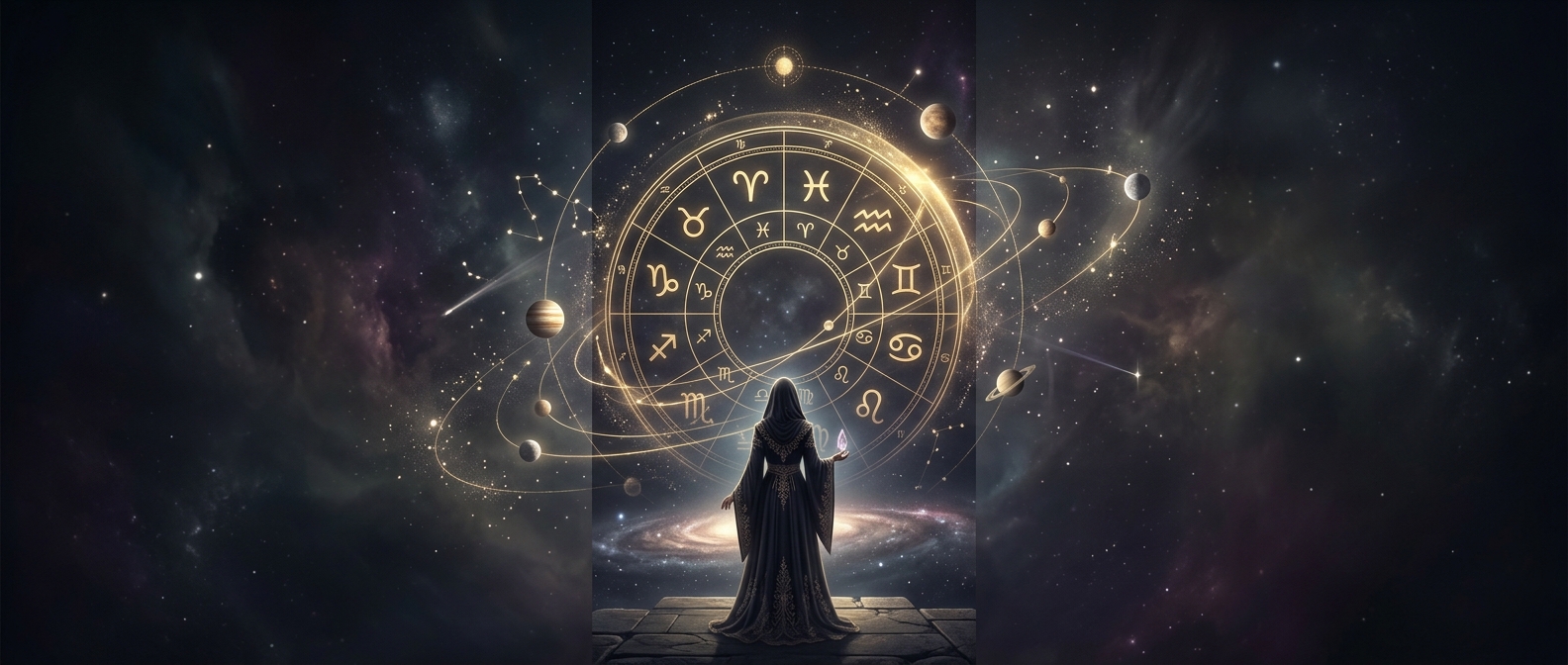
Astrologers cast a chart for the precise moment of that return. The chart’s location matters because it determines which signs and planets are rising or setting at that time. In this way, the return is treated not simply as a repeat of the birth chart, but as a temporary chart with its own emphasis.
A month read through changing circumstances
In astrological practice, the Moon is associated with feelings, habits, and everyday needs. Readers look at its house—the area of life assigned to it in the return chart—and its relationships to other planets to describe where emotional attention may gather over the coming weeks. One chart might foreground home and family; another might emphasize work or relationships.
The return is therefore used as a short-range interpretive lens, not as a calendar of guaranteed events. Its recurring rhythm gives astrologers a way to compare one lunar month with the next: the Moon returns to a familiar birth position, while the rest of the chart—and the person’s circumstances—have moved on.