How a follicle builds dark hair
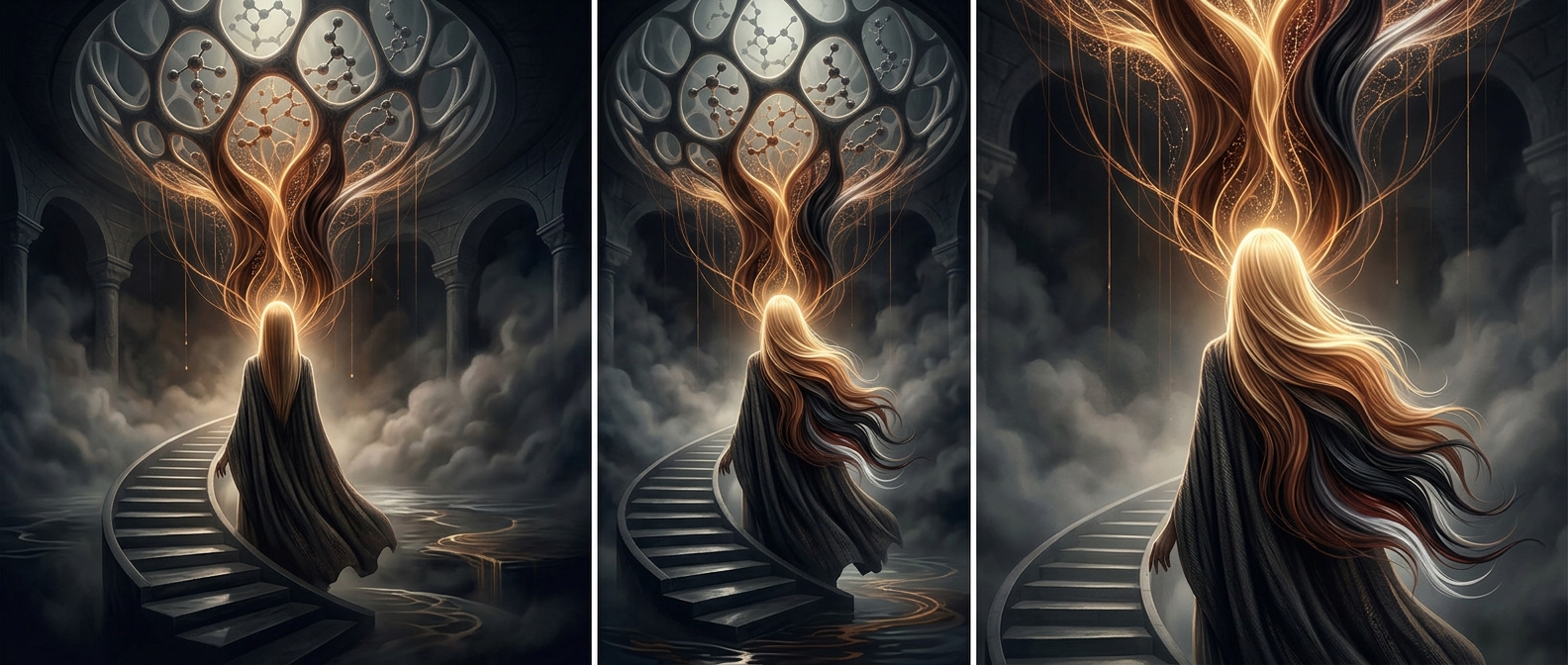
Hair color is set while a strand is forming inside its follicle. Pigment-making cells called melanocytes deliver tiny packets of melanin to the developing hair. The balance and amount of pigment they supply shape the strand’s color: eumelanin makes hair brown to black, while another pigment, pheomelanin, contributes warmer reddish and golden tones.
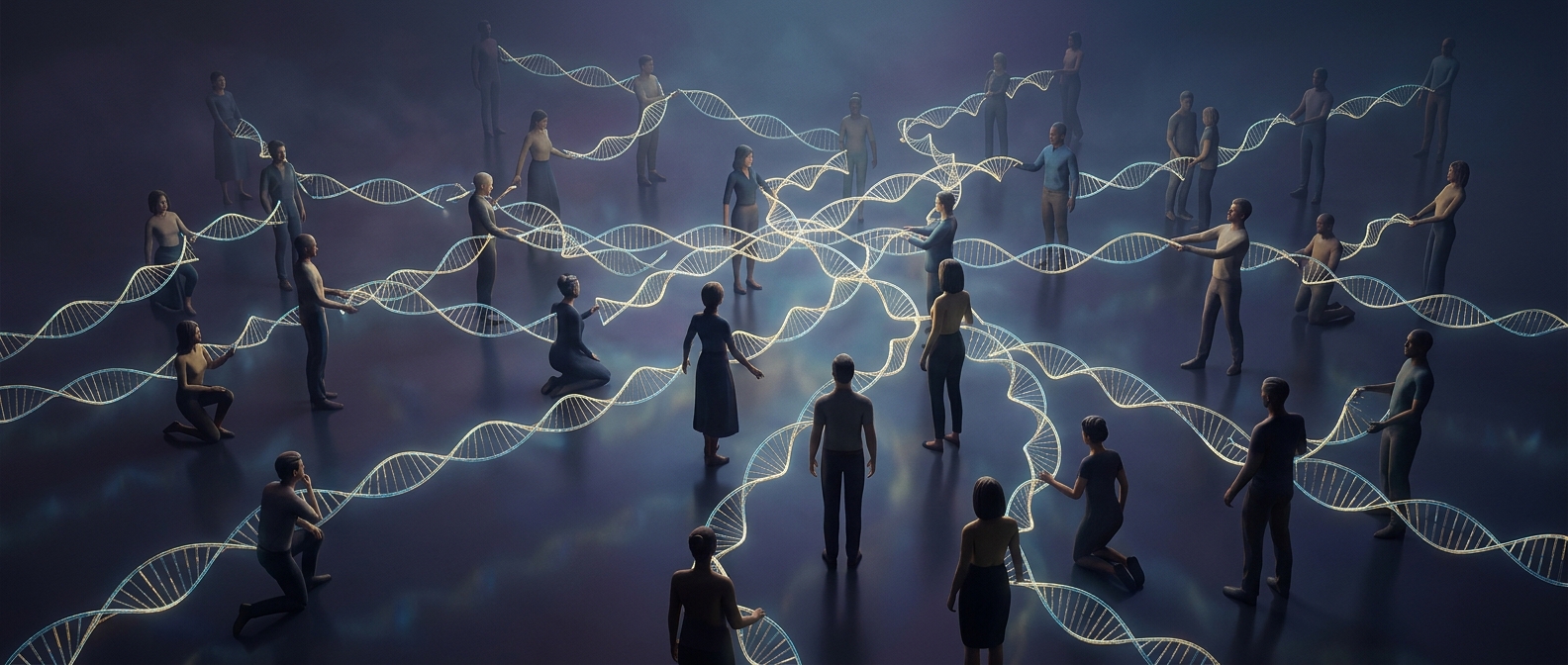
Genes influence how much pigment the follicle makes and the mix it produces. Hair color is not controlled by one simple “dark hair” switch; many inherited factors can affect the result. That complexity helps explain why relatives can have different shades, even within the same family.
Why dark shades are widespread
Black and dark brown hair occur across many regions and populations, so their global prevalence is not a matter of one ancestry or a single genetic pattern. Rather, dark shades are common outcomes of inherited combinations that lead follicles to produce substantial eumelanin. The same pigment system can yield a range of colors, depending on how much eumelanin is made and how it is distributed through the strand.
Color can also change over a person’s life. As follicles age, their pigment-producing cells may become less active or stop supplying pigment, so new strands grow in gray or white. The change happens at the follicle; a hair that has already grown out does not turn gray from within. Each strand records the pigment its follicle supplied while that portion was being made.