A lining built to expand without leaking
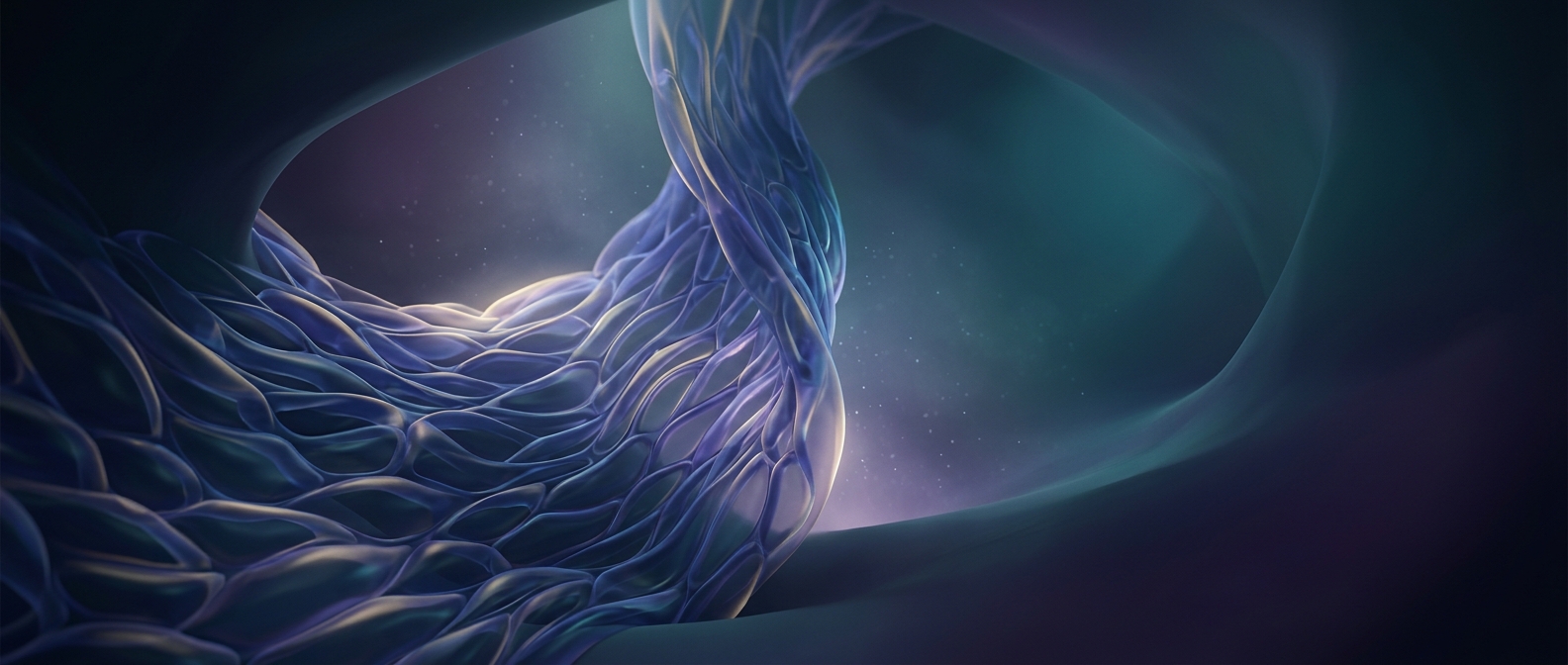
The bladder’s inner surface is made of urothelium, a specialized tissue that has to do two jobs at once: stretch as the bladder fills and keep urine from passing into the surrounding body. Urine contains dissolved wastes and salts, so the lining is more than a soft covering; it is a protective barrier.
The cells at the surface, often called umbrella cells, are broad and adaptable. When the bladder is relatively empty, the lining is gathered into folds and the surface cells look more rounded. As the wall stretches, those folds open and the cells spread flatter. Their connected edges help preserve the seal even as the surface changes shape.
Stretching is coordinated with the bladder wall
The lining does not expand by itself. The bladder wall’s muscle relaxes as urine accumulates, allowing the organ to accommodate a growing volume without a sharp rise in pressure. The urothelium follows that expansion, then returns toward its folded, less-stretched state as the bladder empties.
That reversible adjustment is essential for ordinary storage: the bladder can enlarge repeatedly while keeping urine contained, rather than needing to rebuild its inner surface after each trip to the bathroom.