How the jaw’s midline takes shape
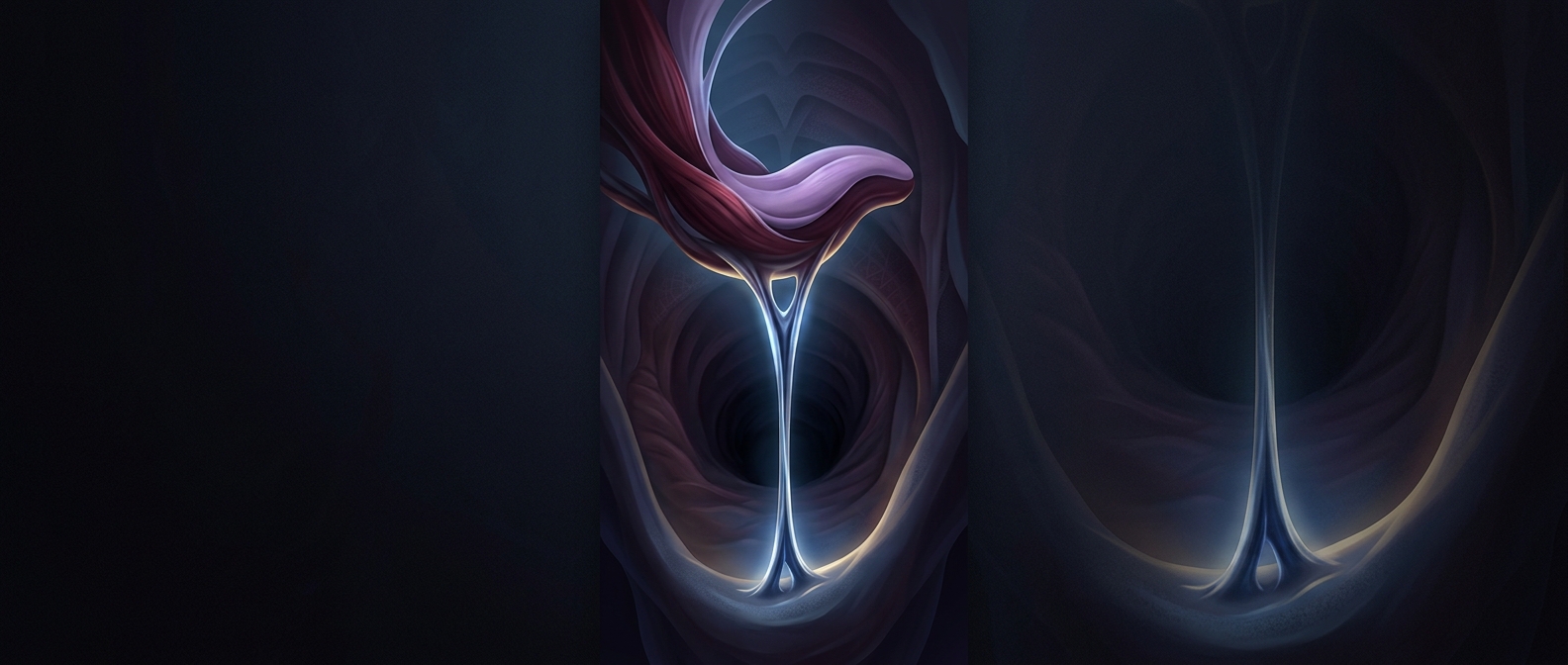
Early in development, the lower jaw forms from paired structures on the left and right sides of the face. They grow toward one another and meet at the midline, where the chin will take shape. As development continues, the jaw’s bone and the surrounding muscle, connective tissue, and skin form the contours we see on the face.
A cleft chin is a small variation in that central contour. If the tissues at the midline do not come together in quite the same way as they do in a smooth chin, a groove may remain visible. The dimple can reflect the shape of the underlying chin as well as how the overlying tissues attach; it is not necessarily a sign that the jaw is broadly split or malformed.
A family resemblance, not a health warning
Cleft chins often run in families, reflecting inherited influences on facial shape. But the visible groove can vary from person to person: it may be deep or faint, and changes in facial expression can make it more or less noticeable.
In an otherwise normally formed jaw, the cleft is a cosmetic feature, not a sign of illness or a problem with chewing. It is a visible reminder that the chin’s smoothness depends on several layers of tissue meeting and taking shape along the same midline—not just on the bone beneath the skin.