The palate’s small ridges help the tongue move food
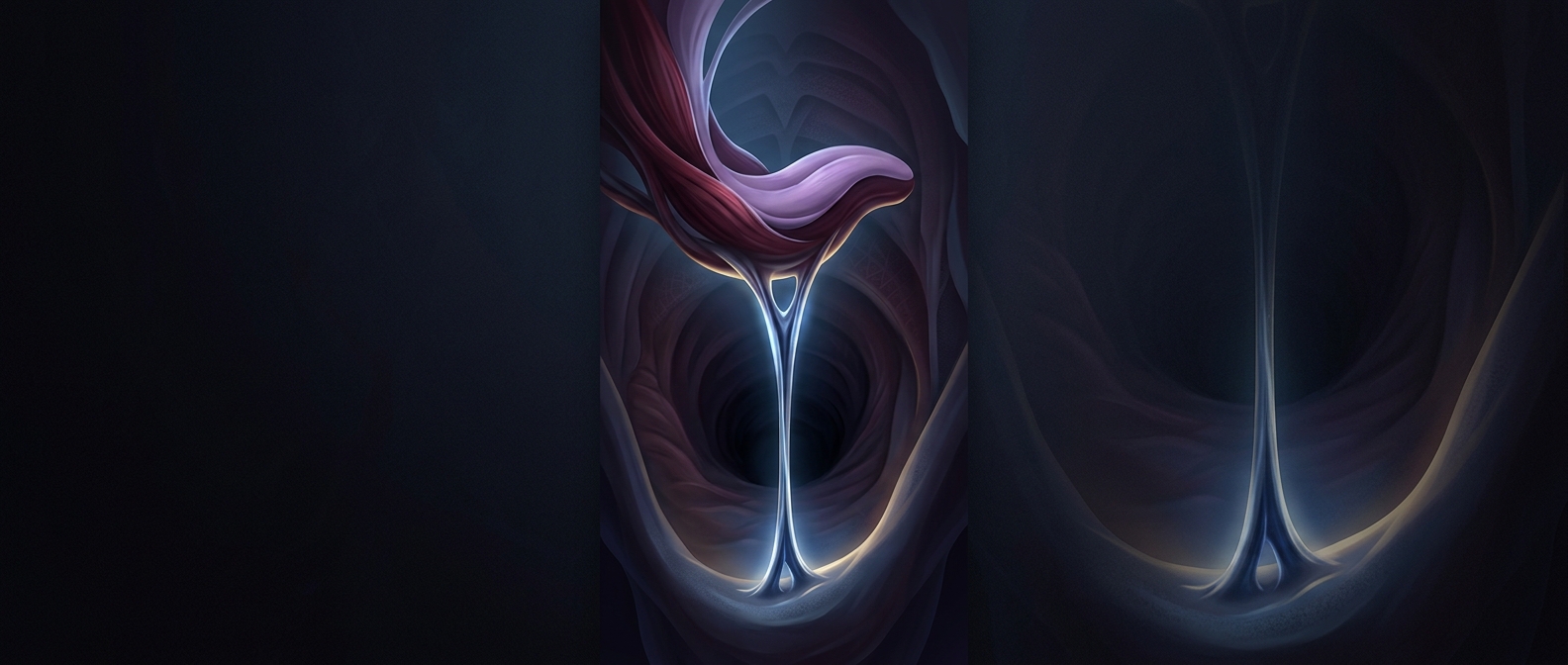
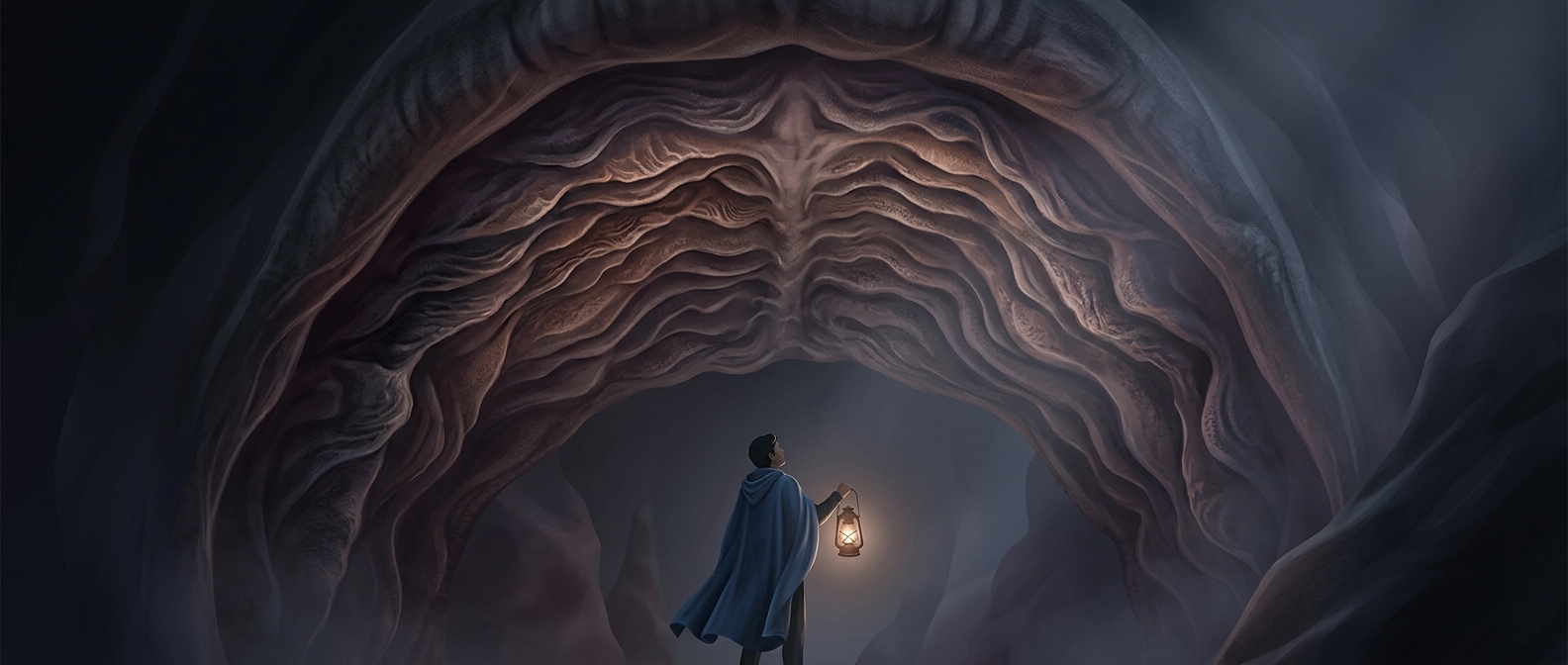
The hard palate is the firm, bony front portion of the roof of the mouth. Just behind the upper front teeth, it is crossed by raised folds called palatal rugae. They are normal anatomical features, not damage or leftover food.
During chewing, the tongue does more than push food from side to side. It presses pieces against the palate, gathers them, and shifts them toward the teeth for another bite. The rugae add texture to that otherwise relatively smooth surface, giving the tongue a more useful point of contact as it steers food and combines it with saliva. Once food is soft enough to swallow, the tongue also helps move it toward the throat.
Why sticky foods linger there
Peanut butter can cling to the palate because it is thick and adhesive: it does not flow away readily, and moisture from saliva may not immediately loosen it. When the tongue presses it into the ridges, small amounts can remain in the folds or on the surrounding surface until the tongue sweeps them away or saliva gradually thins them.
That familiar stuck feeling is a reminder that the roof of the mouth is an active part of eating, not just a divider between mouth and nose. Its ridged surface helps the tongue handle food—and gives sticky bites plenty of places to hang on.