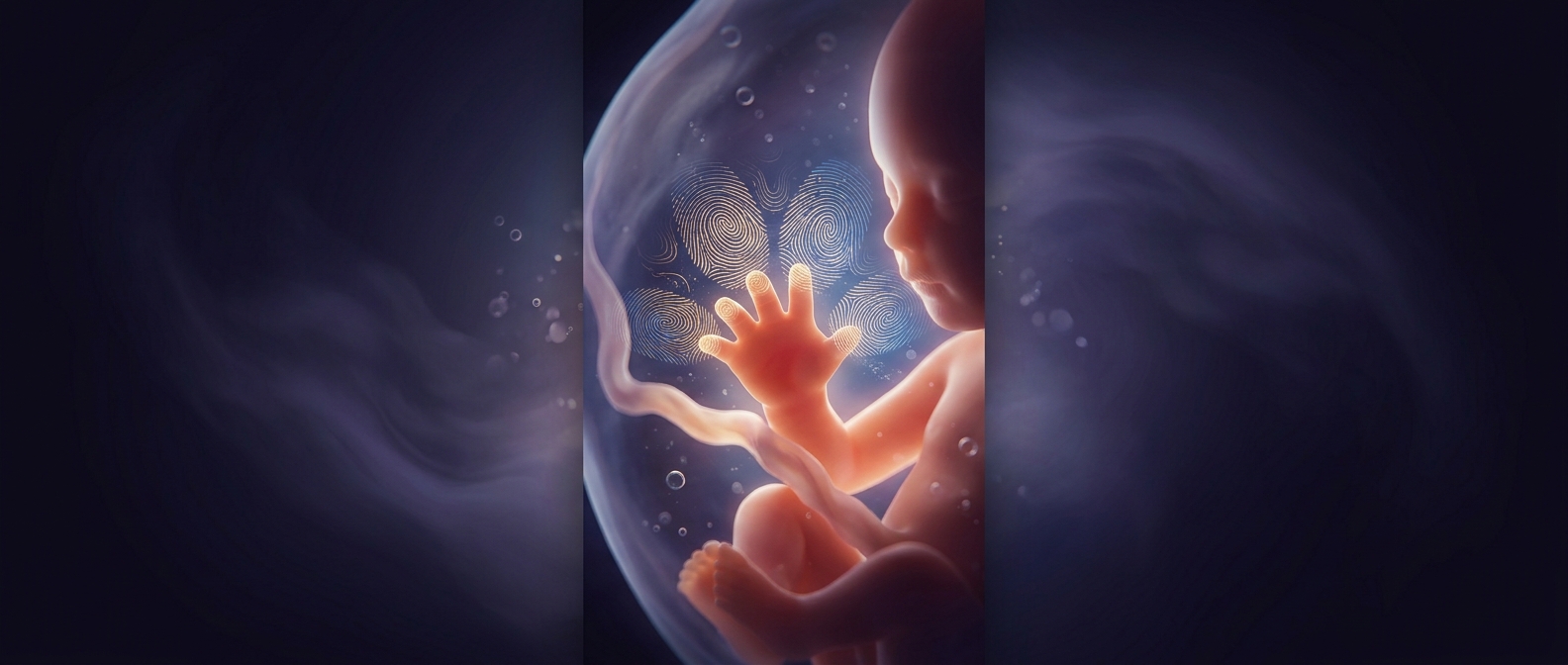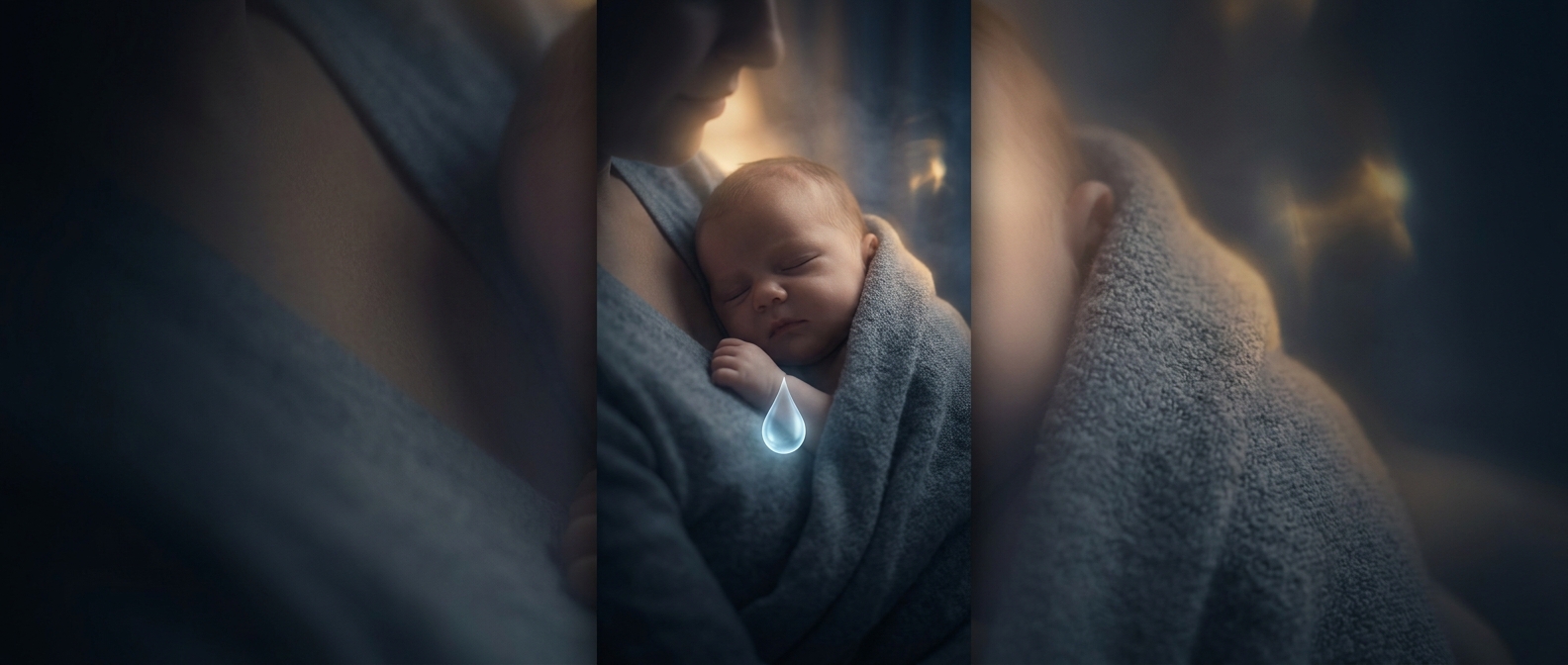
Crying and tear-making are separate systems
A newborn can cry loudly even when no tears roll down the cheeks because crying does not depend on visible tears. The brain can trigger the sounds and body movements of distress before the tear glands are producing enough fluid to spill over the eyelids.
Those glands are already making a small amount of basal tears—the thin film that keeps the eye’s surface moist and protected. Producing enough extra fluid for tearful cheeks takes further maturation, so visible tears commonly appear during the first weeks or months of life.
Why the change is gradual
Tear production develops over time rather than switching on at birth. As the glands become better able to release fluid, crying may start to leave wet cheeks; the timing varies from baby to baby. The eye’s everyday lubrication is present earlier, which is why a dry-looking cry does not mean the eyes have no tears at all.
The distinction is simple but useful: the cry is a signal; visible tears are a later-developing response.