A hotel that moves while its guests sleep
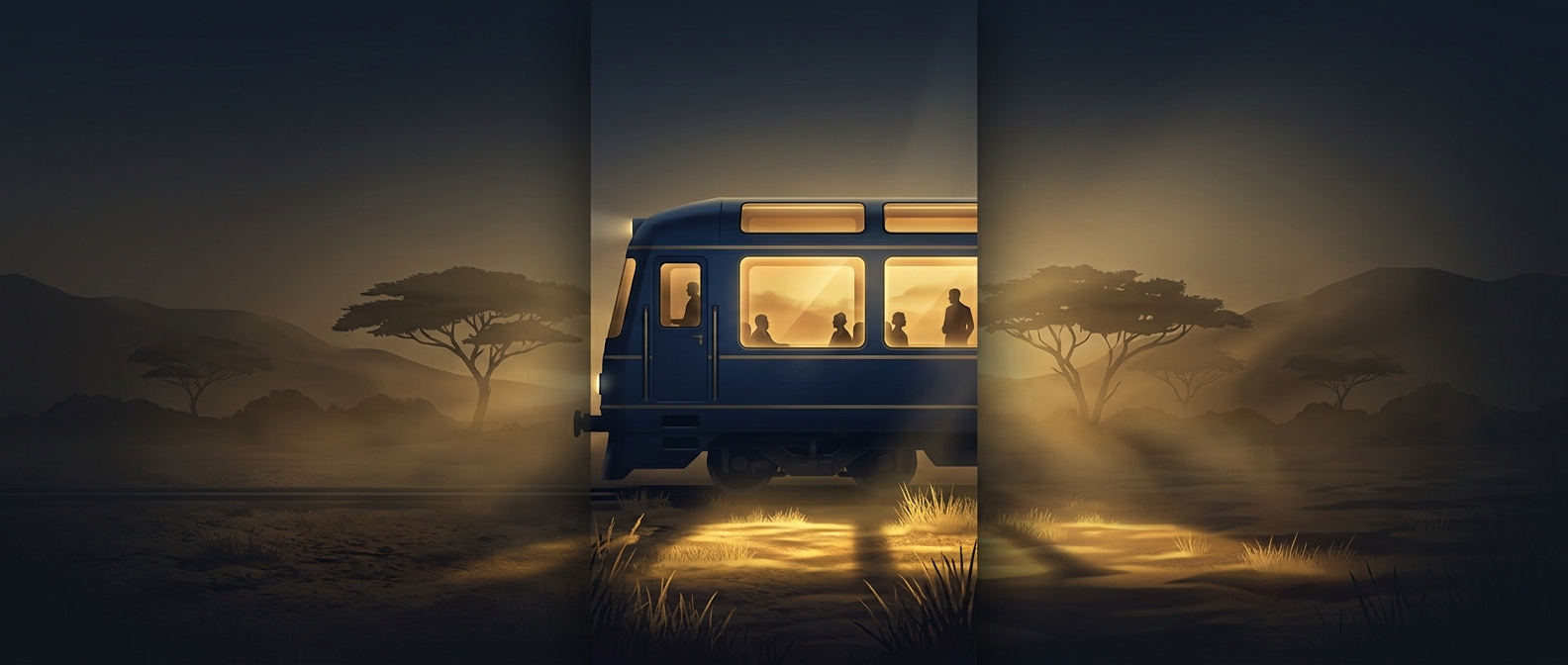
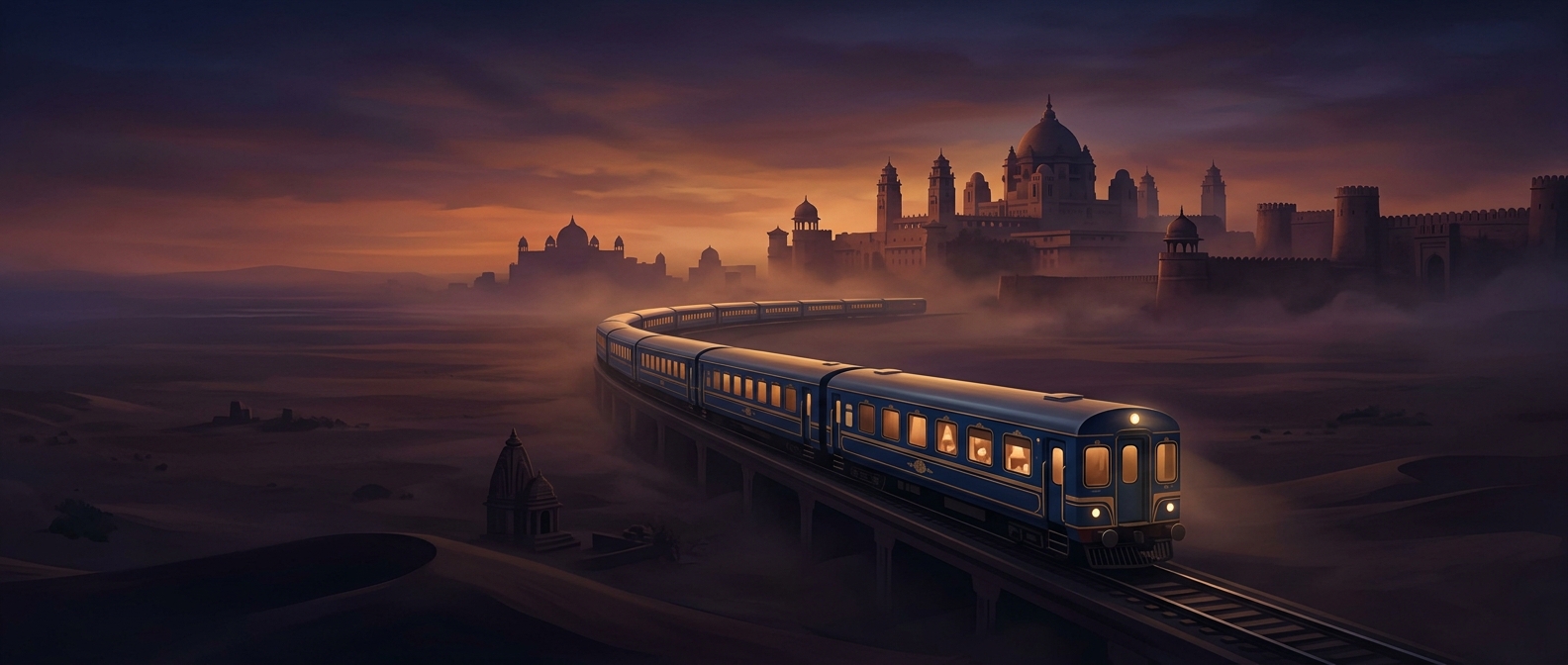
Palace on Wheels turns the train itself into part of a Rajasthan itinerary. Instead of checking out of one hotel, traveling to the next city, and unpacking again, guests return to the same cabin after a day ashore. The train can cover distance overnight, making the journey between destinations part of the accommodation rather than a separate transfer.
That arrangement depends on a tightly coordinated schedule. The train follows a planned route, while daytime visits to forts, palaces, and other sights are organized around its arrival and departure times. The railway journey and the excursions therefore work as one itinerary: the train carries the hotel room, and local transport connects guests to places the rails do not reach.
Royal style, adapted for a railway
The “palace” effect comes from translating the visual language of princely residences into compact rooms on wheels. Rich fabrics, carved surfaces, and ornate detailing make the carriages feel ceremonial, but the space still has to function as a train interior—with sleeping quarters, shared dining areas, and the practical limits of a moving vehicle.
That contrast is central to the experience. A palace can spread across courtyards and gardens; a rail cabin must fit within the width of a carriage and remain usable in motion. The décor supplies the sense of grandeur, while the train’s steady movement supplies something a stationary hotel cannot: guests wake in a different part of the itinerary without having to move their luggage themselves.
The tradeoff behind the luxury
A fixed route gives the trip coherence, but it also means travelers follow the train’s timetable rather than choosing each stop independently. The reward is a ready-made sequence through Rajasthan, with the transition between destinations built into the stay. By morning, the room that carried a guest through the night can open onto an entirely different landscape.