Why a Smile Rarely Moves You to First Class
Airlines do not usually treat an empty first-class seat as a prize for the passenger who makes the best impression. The cabin may look roomy at boarding, but seats can be held for late-arriving passengers, disrupted travelers, or other operational needs. An upgrade is therefore a decision about who should receive limited space—not simply a courtesy an agent can hand out at will.
How the Priority List Works
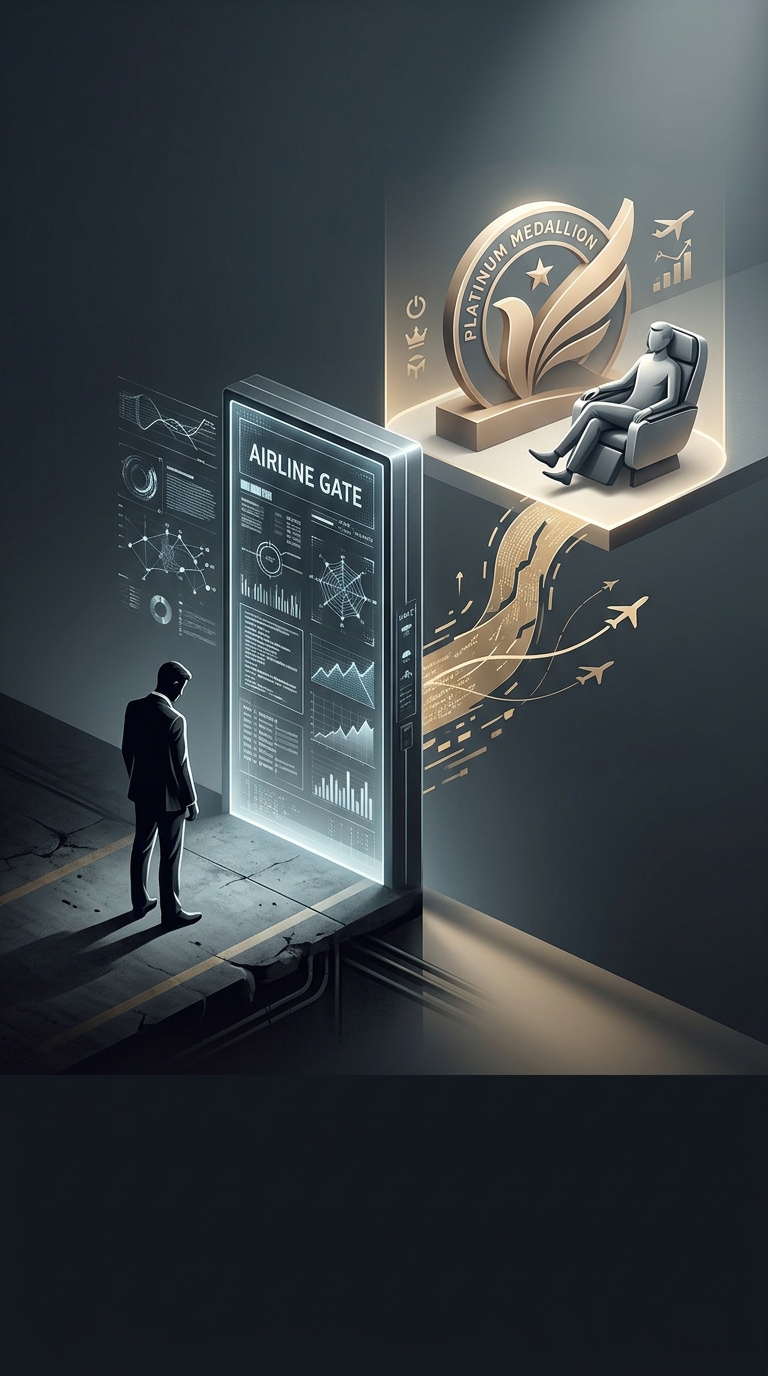
When an airline has more eligible passengers than available premium seats, it generally uses a priority order. Frequent-flyer status can matter because airlines use upgrades to recognize and retain their most loyal customers. The ticket itself matters, too: a higher fare may rank ahead of a discounted one, and corporate agreements can influence how a traveler is treated. The airline’s policies determine how those factors are weighed.
Software helps apply those rules consistently across reservations and flights. It can sort eligible passengers and update the list as seats or travel plans change. A gate agent may still handle exceptions or last-minute disruptions, but a friendly conversation does not normally replace the airline’s ranking system.
What a Polished Appearance Can—and Can’t—Do
Being courteous is useful: it can make an interaction smoother, especially when a traveler needs help. But dressing up or smiling is not a reliable route to an upgrade. The old story confuses a memorable exception with a repeatable strategy—and overlooks that an apparently empty seat may not yet be available.
For travelers hoping to sit up front, the practical implication is less glamorous: upgrade eligibility and priority are usually shaped before anyone reaches the check-in desk. The decisive details are in the booking and the airline’s rules, not the outfit.