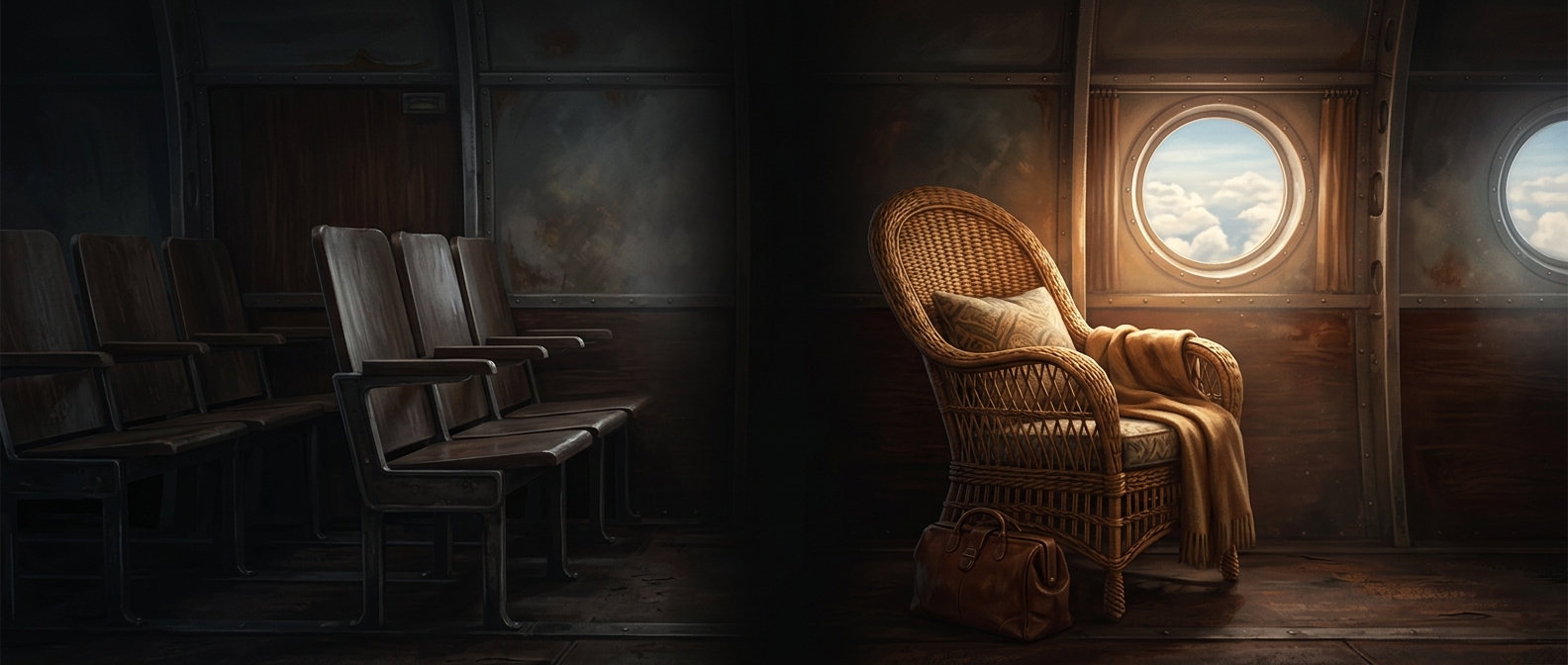
Luxury travel met the limits of the railway
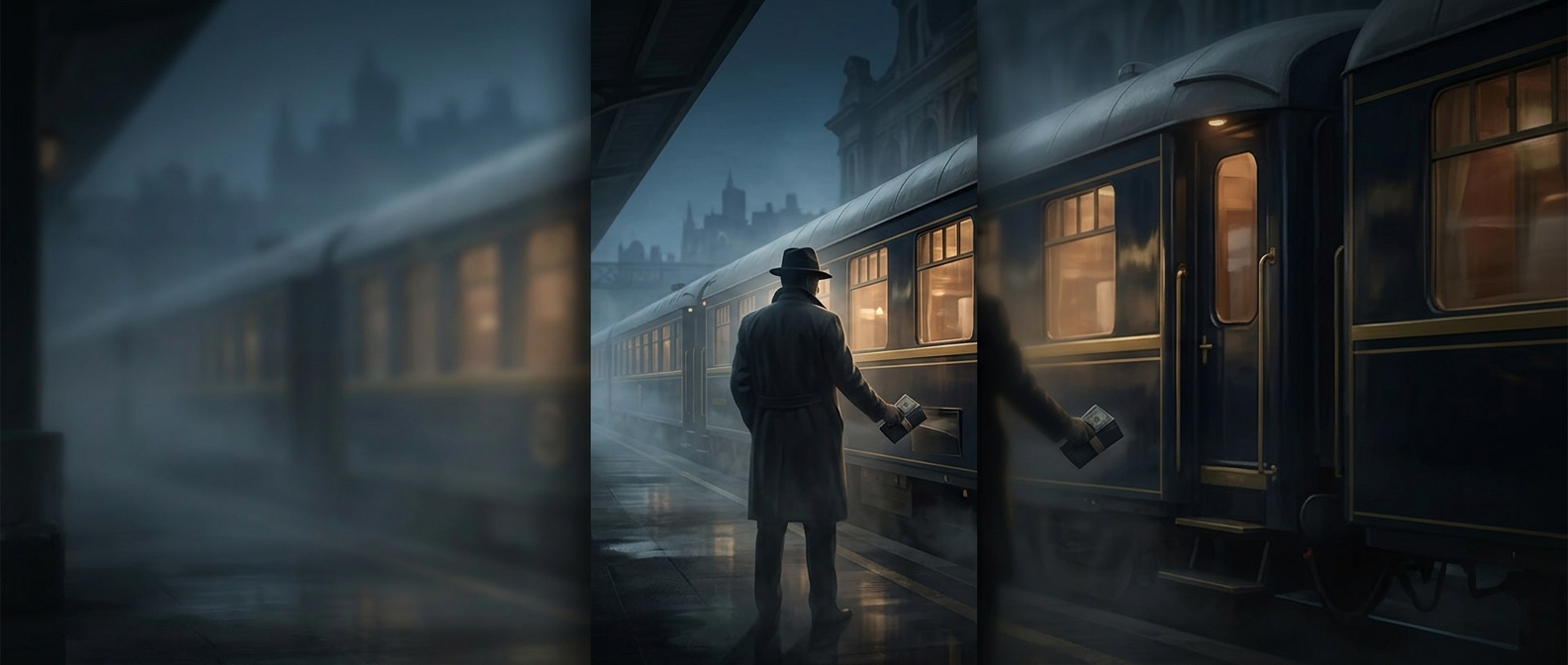
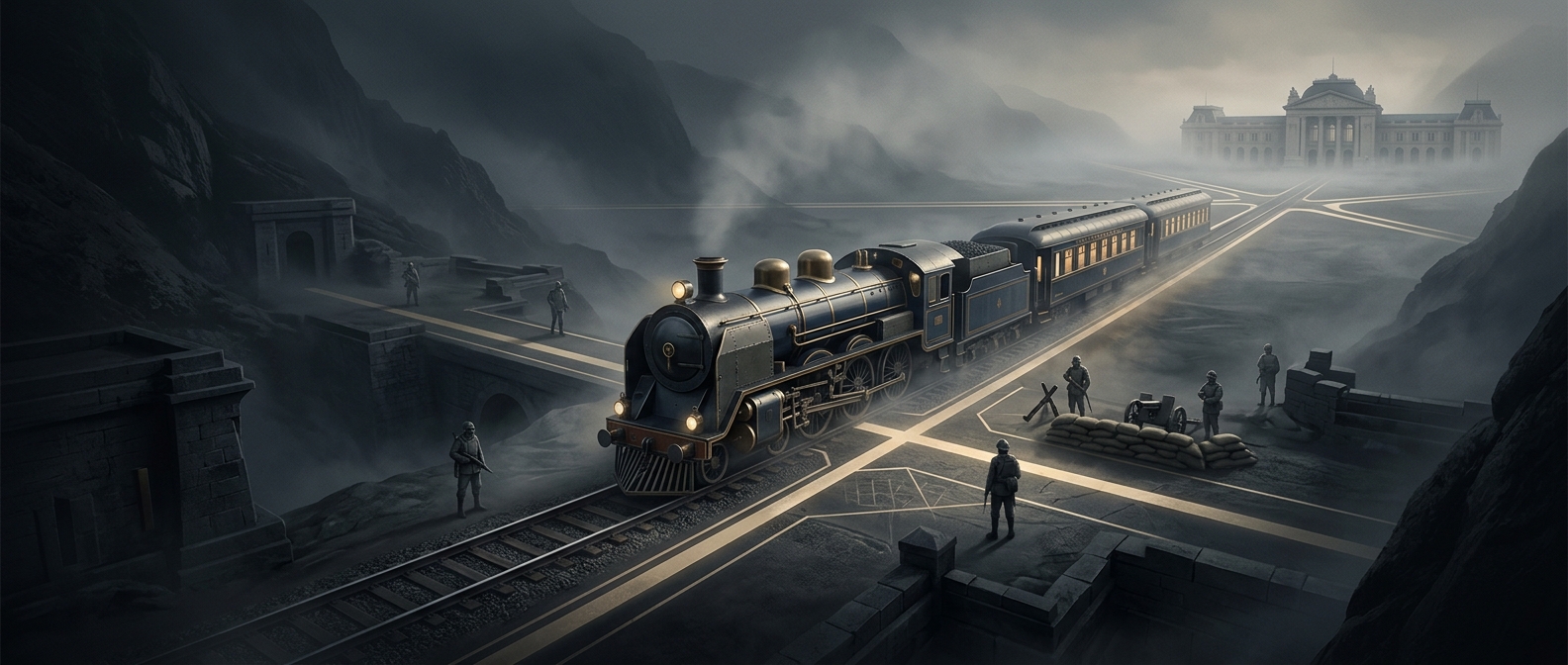
The Orient Express promised wealthy travelers a remarkable new convenience: long-distance travel in a private, carefully appointed train. But in 1883, a railway journey across southeastern Europe was not yet a seamless ride from one capital to another. Lines, borders, and connections varied along the route, and some stretches passed through areas where armed robbery was a real concern.
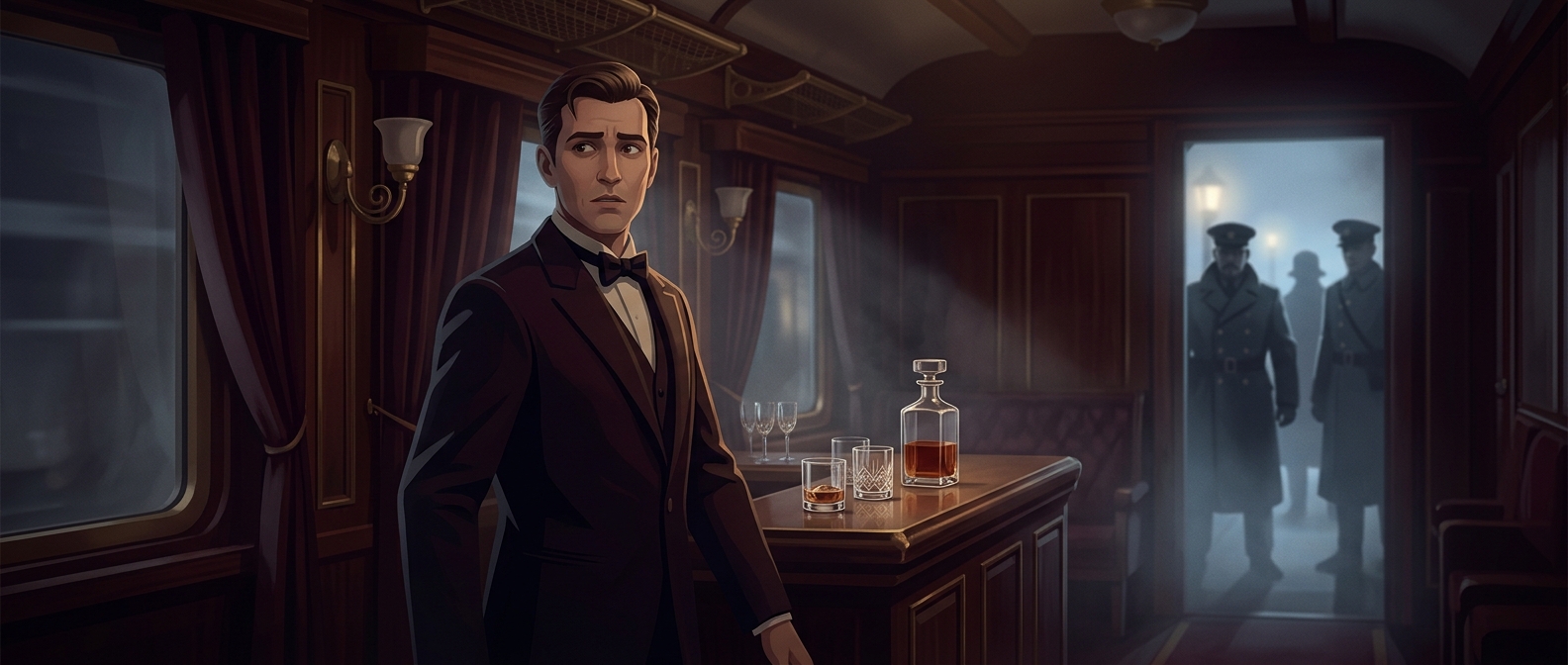
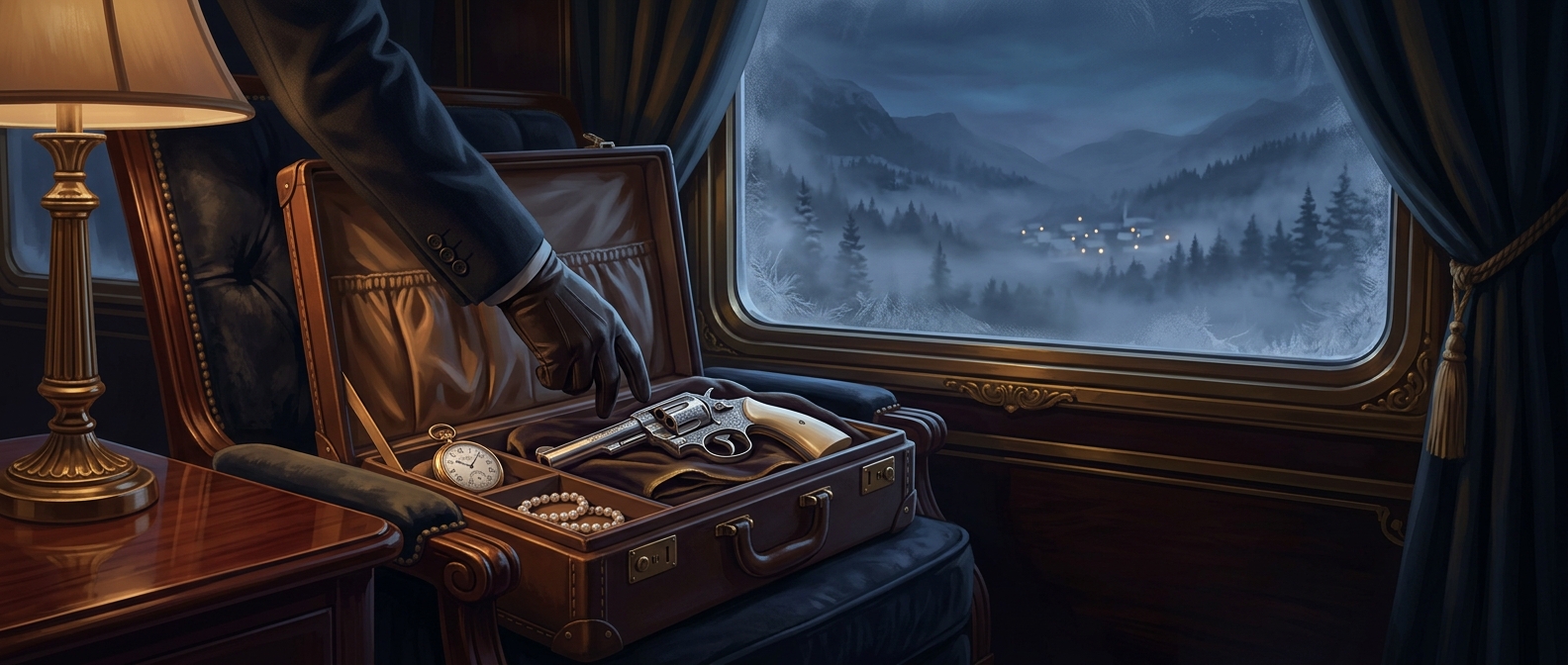
That is the setting behind the advice to carry a revolver. It reflects the risks travelers associated with crossing the Balkans, where a train could bring passengers into remote territory without making the surrounding countryside safe. The weapon was a precaution for the journey beyond the comfort of the carriage—not a guarantee that danger would occur or that passengers would have to use it.
A sign of the era’s uneven connections
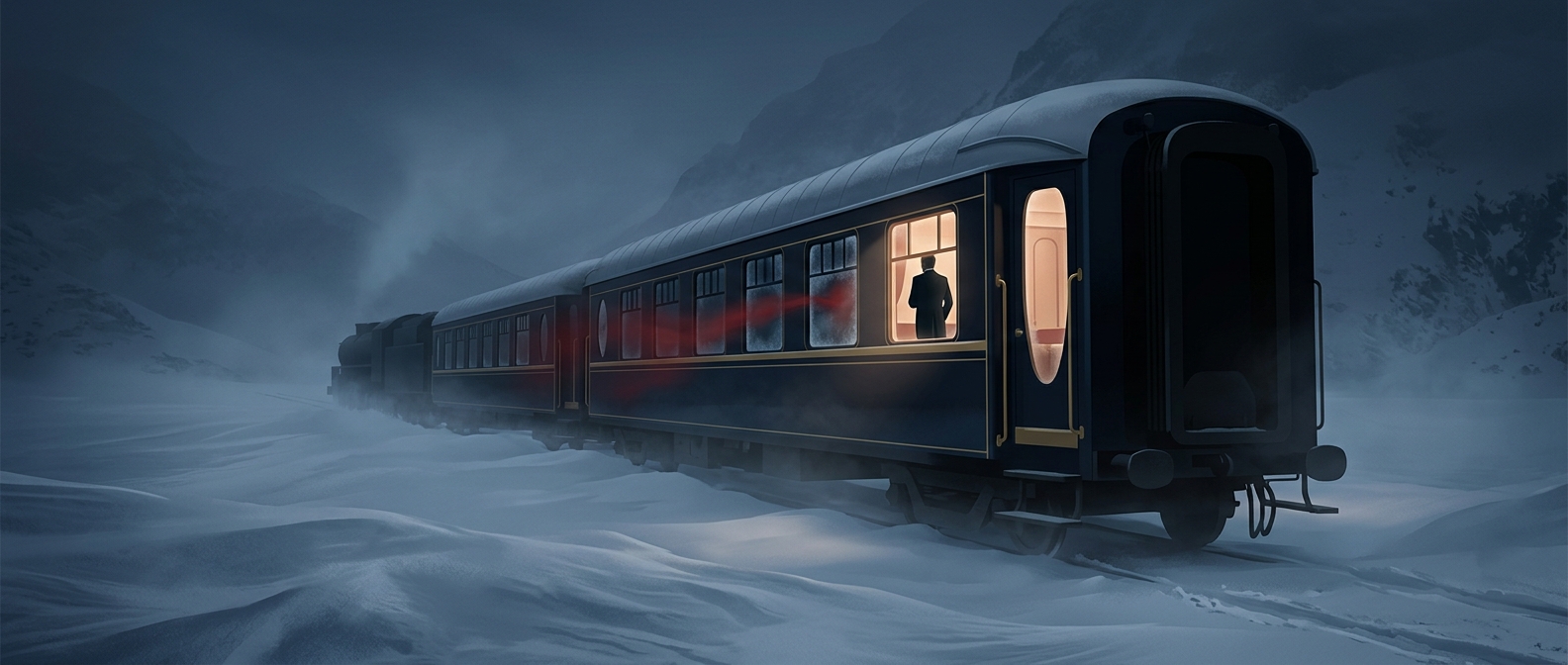
The striking contrast was part of the appeal and the anxiety of early rail travel. A well-appointed train could make distance feel manageable, but it could not instantly create secure roads, dependable connections, or uniform authority across every region it crossed. Passengers might enjoy the comforts of modern transport while still preparing for conditions outside the railway’s control.
The revolver advice makes that gap tangible: even the most glamorous train of its day could not carry its passengers entirely out of the world around the tracks.