Luxury had to fit the aircraft
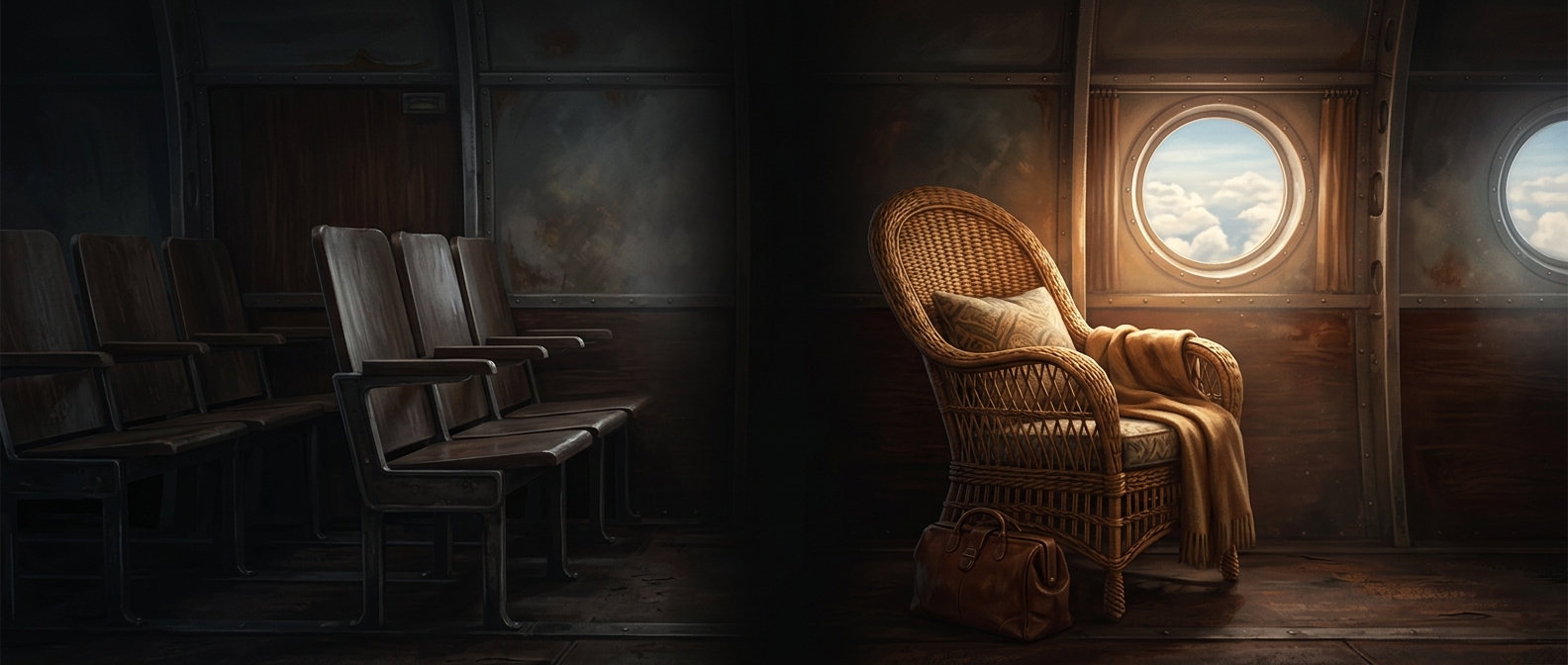
A wicker chair sounds more like porch furniture than an airline perk, but in the 1920s it suited the limits of early passenger planes. Aircraft had to carry passengers without adding unnecessary weight, and wicker offered a lightweight seat. “First class” could distinguish a passenger’s place and comfort from the rest of the cabin, but it could not make the aircraft itself warm or spacious.
An unpressurized cabin meant a rougher ride
An unpressurized plane does not maintain the higher air pressure found near the ground. As it climbs, the outside air gets thinner and colder, and the cabin does not keep passengers in ground-level conditions. Early aircraft also lacked the insulation and climate control associated with modern airliners, so passengers could feel the cold and the effects of a noisy, bumpy flight.
That made comfort a matter of degree. A better seat might offer a more pleasant place to endure the journey, but it could not erase the basic conditions of flight. The contrast with today’s lie-flat beds and polished onboard service is a reminder that early first class was a premium within the limits of the machine—not an escape from them.