A city beneath the city
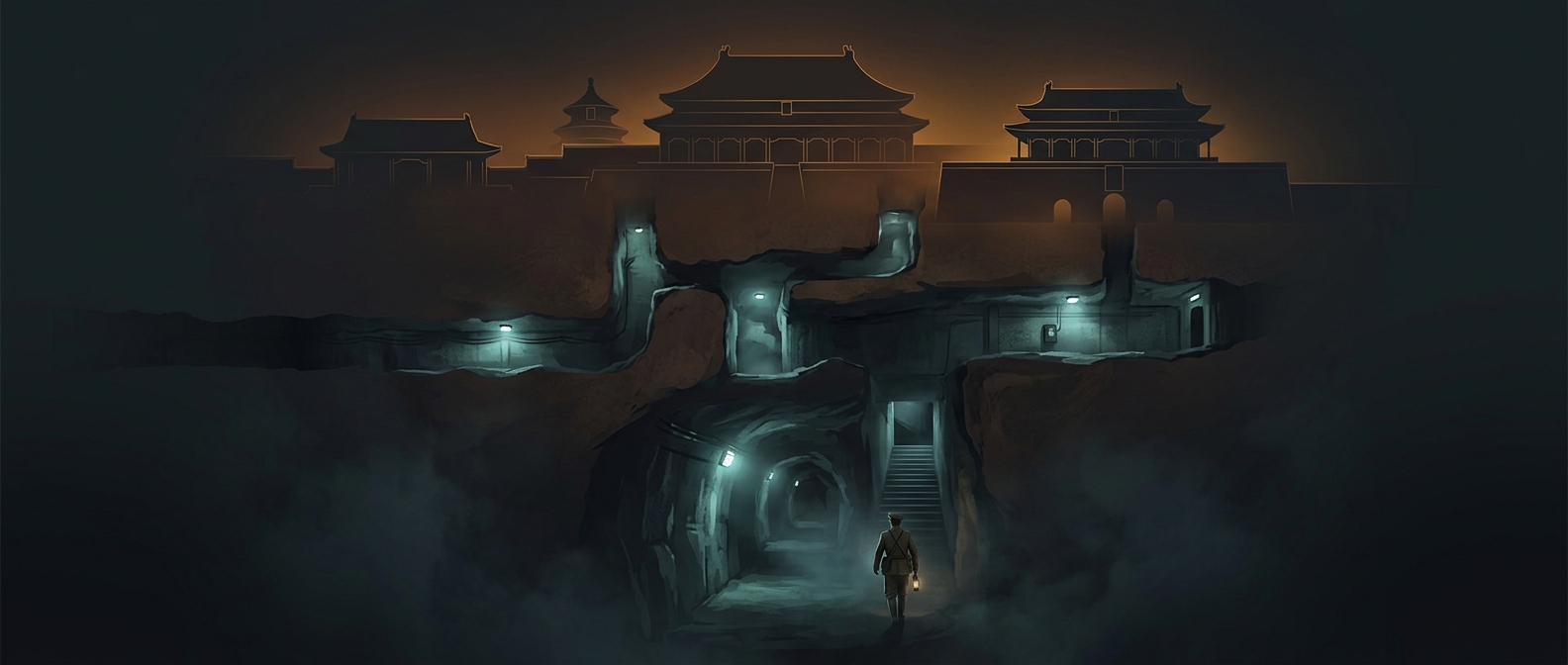
Beijing’s Cold War shelter network was built for a danger that could arrive without warning: a nuclear attack. Its scale—reported at about 30 square miles—made it more than a single bunker. It was a broad system of underground rooms and passages intended to give people somewhere to shelter below the streets.
That purpose shaped the spaces. A shelter had to be reachable and usable underground, not merely buried; it needed room for people and basic facilities. But a network built for emergency protection was not designed to feel like ordinary housing. Many areas are damp, poorly lit and cut off from daylight, conditions that can make even a short stay feel very different from life above ground.
From emergency shelter to low-cost lodging
As the immediate Cold War threat receded, parts of the system found an everyday use: inexpensive accommodation. For someone priced out of a conventional room, a bunk in a basement or tunnel could offer shelter at a lower cost. The same qualities that made the network useful in a crisis—space below the city and proximity to urban neighborhoods—also made it available for improvised reuse.
The tradeoff is visible in the setting. These are not purpose-built hostels with the comfort and ventilation people expect from a modern hotel; moisture and limited fresh air are part of the experience. And the network is not one uniform attraction: sections have different uses and access, so the underground city is better understood as infrastructure with an uneven afterlife than as a single, fully open subterranean destination.