A sleeper train through divided Europe
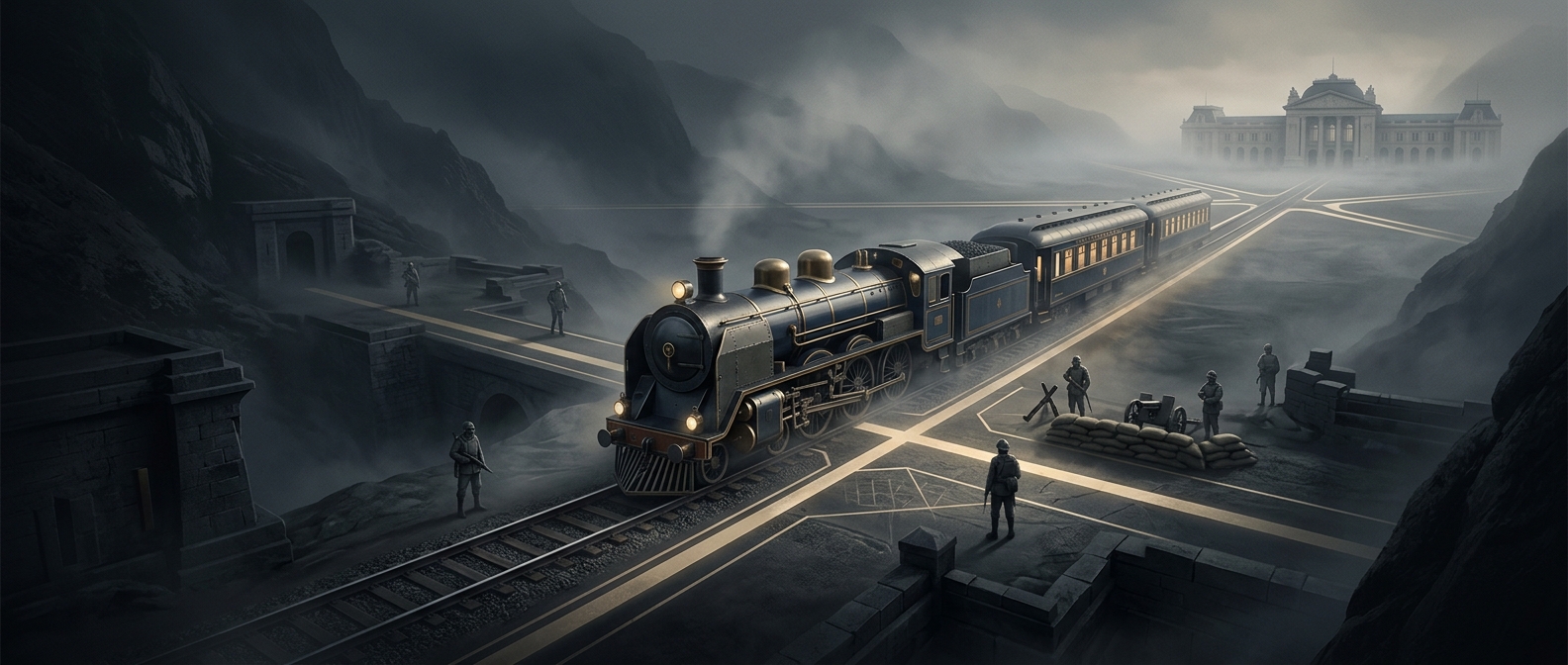
The Simplon-Orient-Express was more than a link between famous cities. Its route ran from Western Europe through countries on the continent’s politically sensitive southeastern corridor, continuing toward Istanbul. In the Cold War, the journey crossed borders where governments watched who and what moved through them.
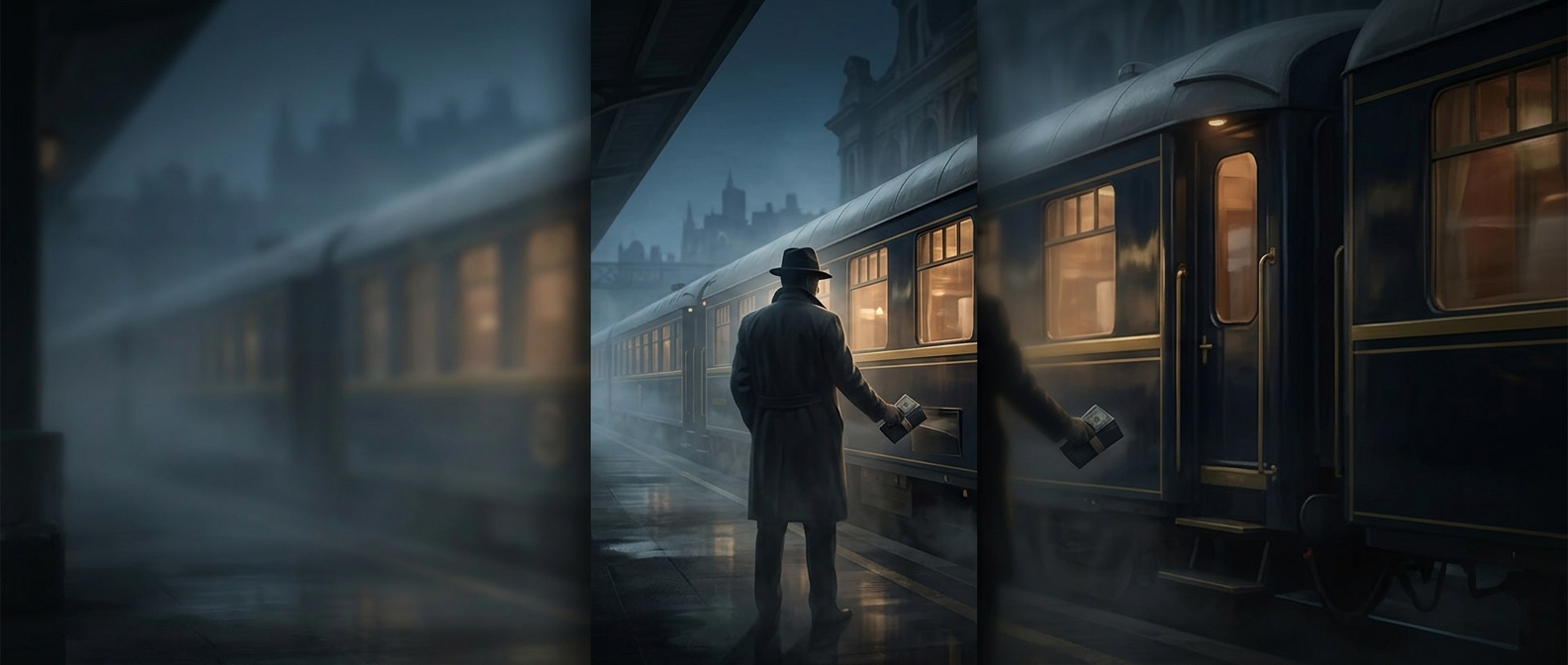
That made the train useful to people whose work depended on crossing those borders: diplomats, intelligence operatives and smugglers, as well as ordinary passengers. A ticket did not make anyone invisible—customs and passport checks still applied—but a busy international service offered a practical way to travel among countries with very different political alignments.
Luxury and mobility shared the same corridor
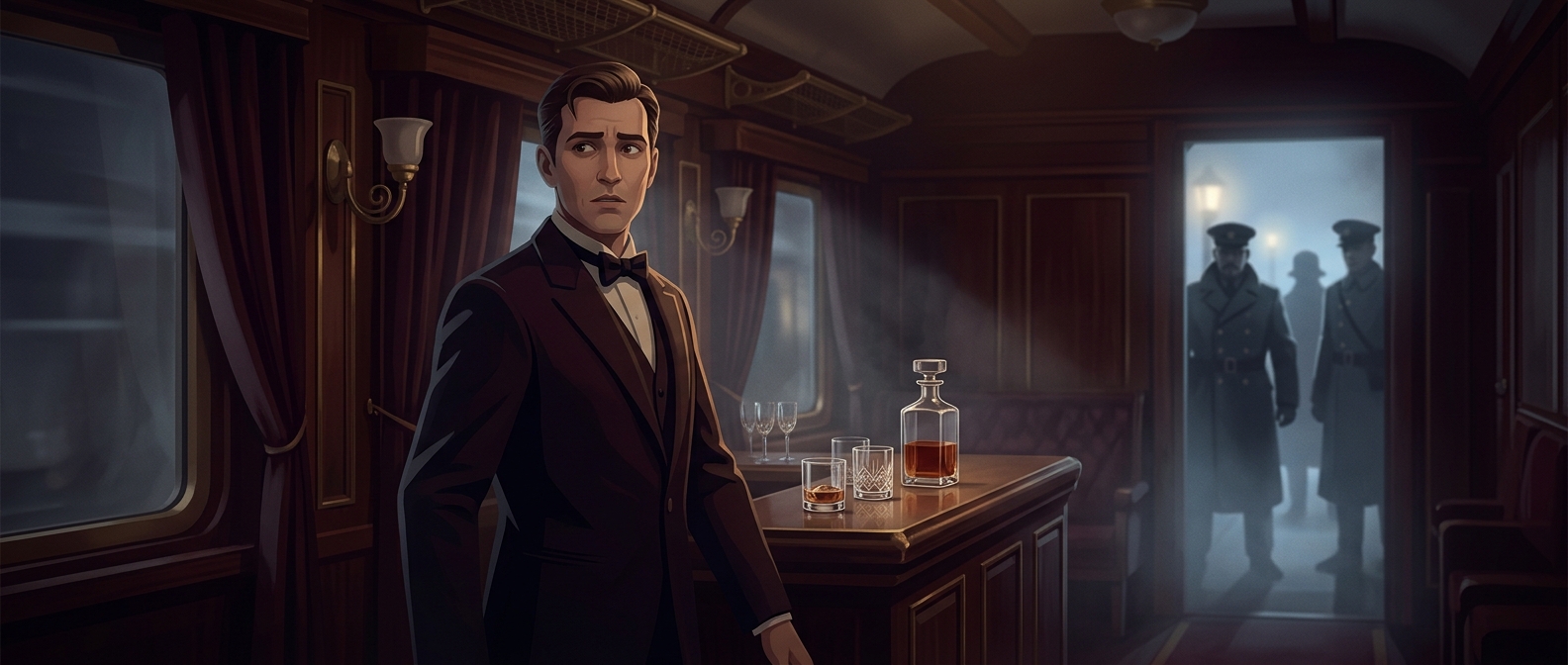
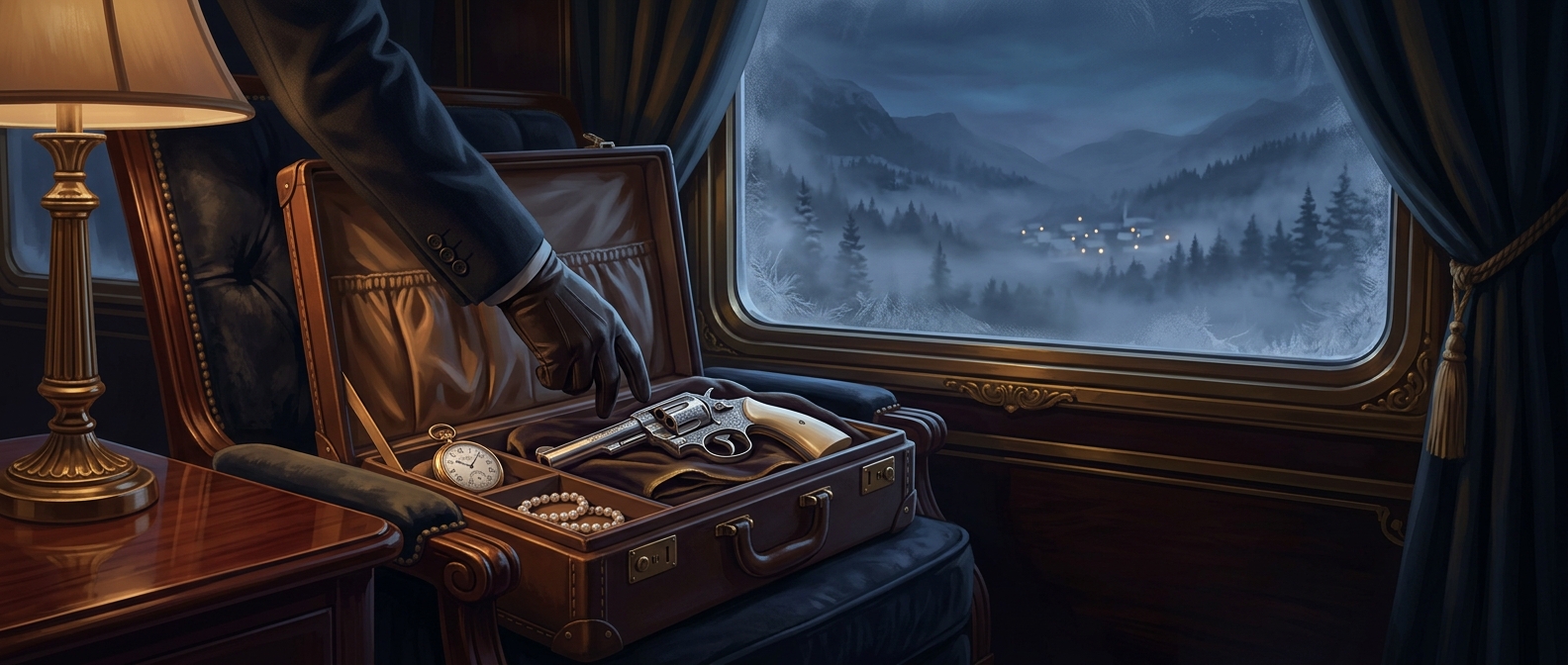
The train’s renewed luxury image drew on the familiar comforts of long-distance rail travel: a private compartment, a bed for the night and service that made a multi-country journey feel continuous. But the same enclosed space that made the trip comfortable also gave passengers a degree of privacy. They could travel for hours without the public visibility of a station platform or the formal setting of an embassy.
That privacy should not be mistaken for proof that the train was designed for espionage, or that every traveler was a spy. Its significance was more ordinary and more revealing: international routes could serve commerce and tourism while also carrying people engaged in the rivalries of the age.
A route shaped by politics
The Iron Curtain divided Europe, but it did not seal every border. Railways still connected cities across the divide, subject to checks and changing political conditions. The Orient-Express’s prestige therefore rested on more than fine service: it depended on keeping a difficult cross-border journey possible. A luxury train could be a moving hotel—and, at the same time, one of the few shared corridors through a continent divided by suspicion.