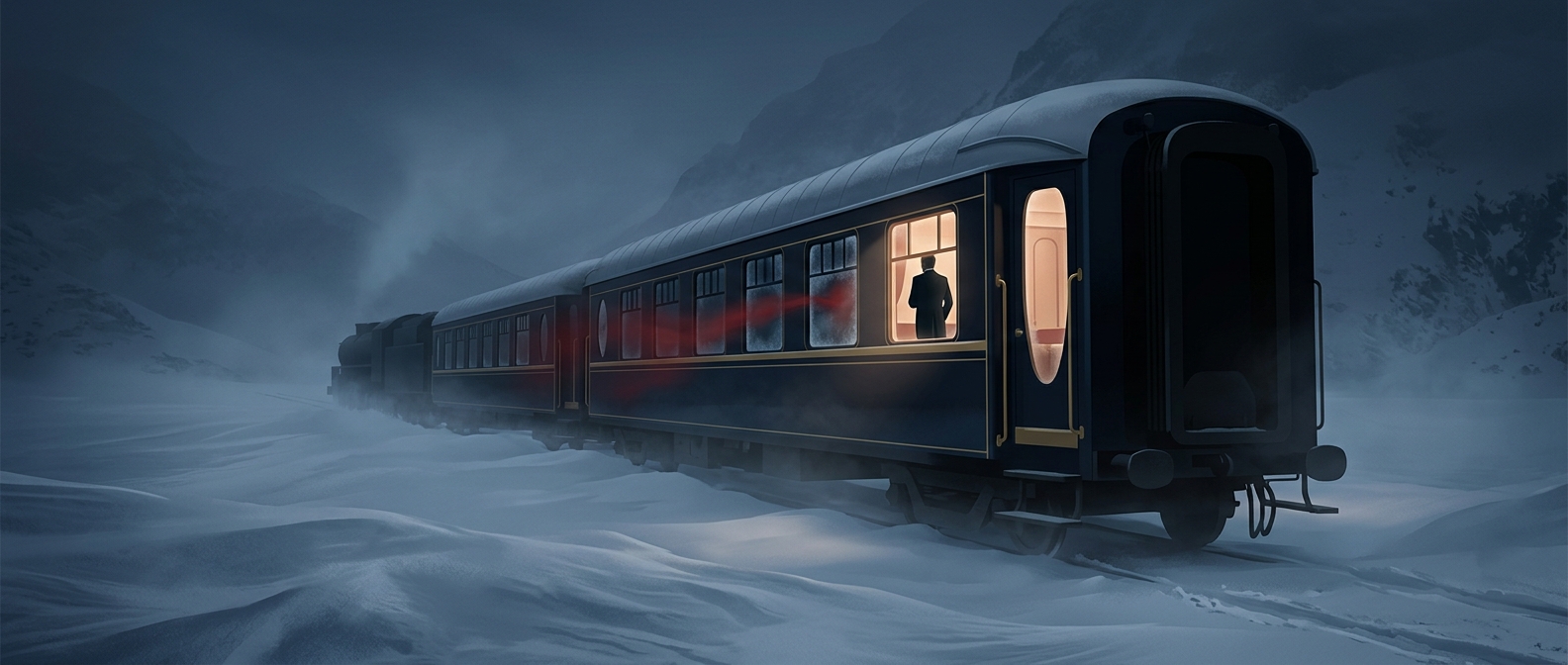
A real delay became a useful mystery setting
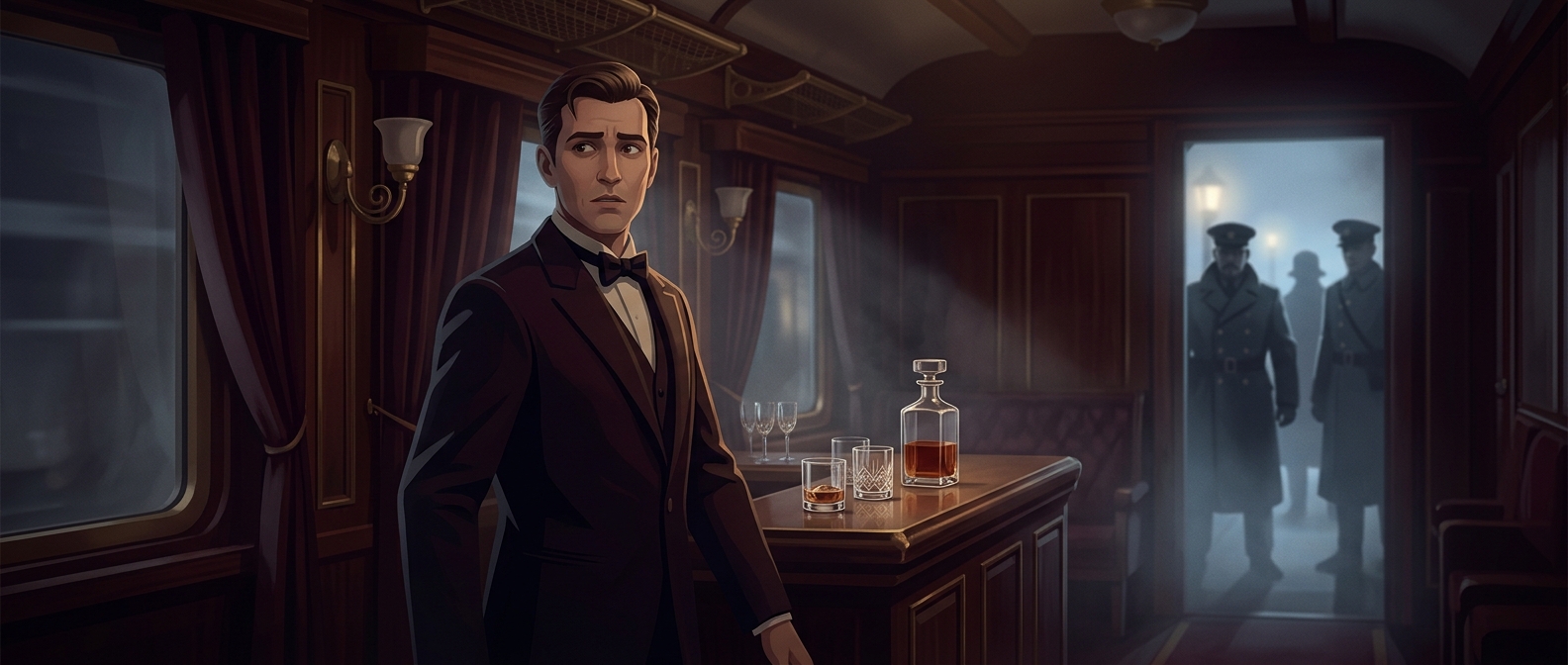
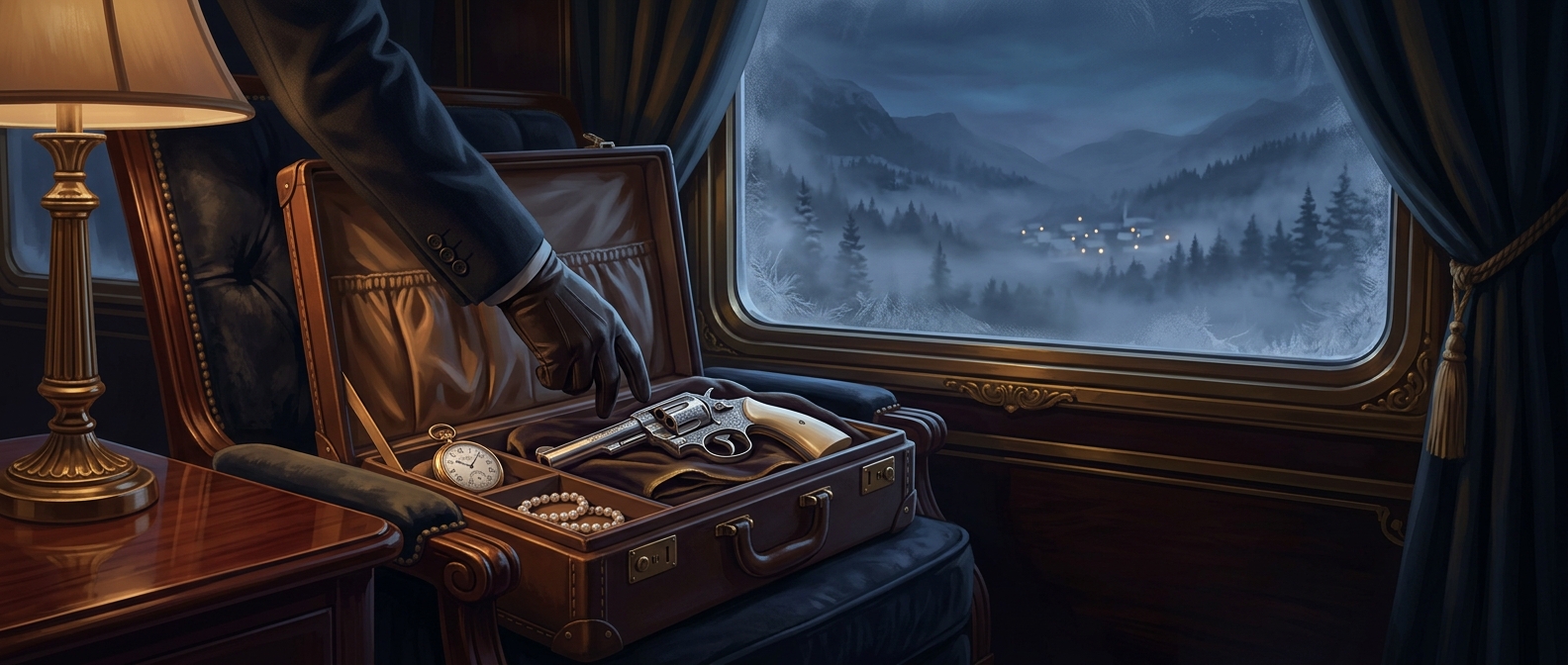
In 1929, sleeping car No. 3309 was trapped in a Turkish snowdrift for ten days. The episode is associated with Agatha Christie’s inspiration for Murder on the Orient Express, published several years later. The connection matters not because the real journey supplied the novel’s plot, but because it offered a vivid situation for a mystery: a train stopped, its passengers unable to continue, and the outside world temporarily out of reach.
Why a stranded train works so well
A moving train usually carries people through a landscape; a snowbound one turns that motion into confinement. The passengers are gathered in a narrow, enclosed space, while the weather blocks the obvious route out. That naturally concentrates attention on the people inside: who they are, what they know, and how their accounts fit together.
For a detective story, the stoppage also creates a practical boundary. If nobody can readily come or go, the group of possible witnesses—and suspects—feels limited. The setting supplies pressure without needing an elaborate explanation: the train cannot move, so the people aboard must wait together.
Christie’s novel uses a fictional snowbound train, not a documentary retelling of the 1929 incident. Still, the real episode shows how a travel disruption can suggest a powerful story structure. A snowdrift did more than delay a sleeping car; it turned the ordinary separation of train passengers from the outside world into the engine of a mystery.