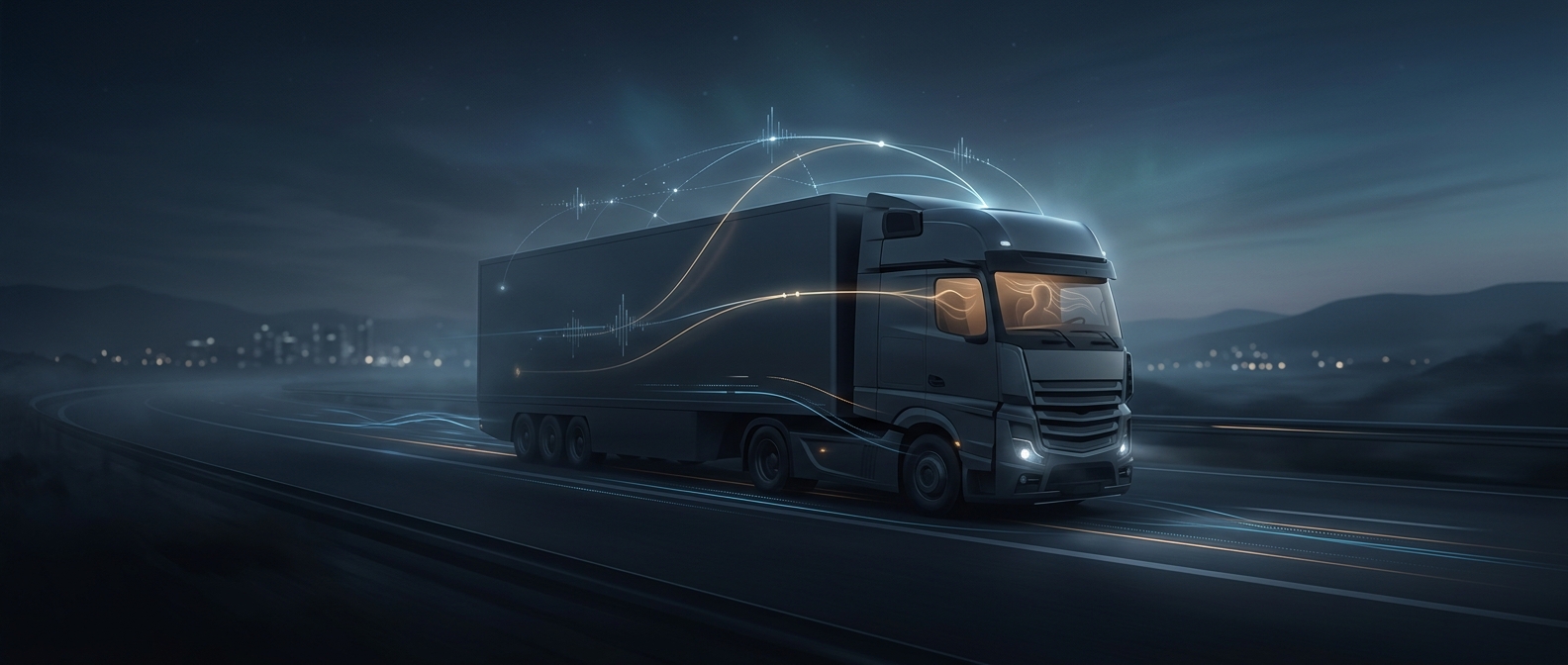
Why a jet engine can make a truck move like a missile
A conventional truck gets its force through the tires: the engine turns the wheels, and the tires push backward against the pavement to move the vehicle forward. A jet engine works differently. It throws hot exhaust backward at high speed, producing forward thrust. That means a jet-powered truck can accelerate without asking its drive wheels to deliver all the power.
At extreme speeds, that distinction matters. Pushing more power through ordinary tires and drivetrain components creates immense mechanical and heat loads. Jet thrust bypasses much of that system, though the tires still have to support the vehicle and maintain contact with the track.
The truck becomes a purpose-built speed machine
The familiar cab-and-chassis outline can conceal a very different machine underneath. To travel safely at hundreds of kilometers per hour, a vehicle needs a stable shape, carefully managed weight, tires suited to high speed, and a long, clear surface. The engine’s thrust must be controlled so the truck accelerates predictably rather than lurching or lifting at the front.
Stopping is another engineering problem. Brakes designed for normal road speeds can overheat under the energy of a high-speed run, so specialized vehicles may rely on additional ways to slow down, such as drag chutes—parachute-like devices that create air resistance. Every part of the run, not just the engine, has to be designed around speed.
A record vehicle, not a better delivery truck
The conversion trades the qualities that make a commercial truck useful—cargo capacity, fuel economy, routine handling—for a single purpose: a controlled burst of speed. Its achievement lies in adapting the recognizable form of a work vehicle to an environment it was never built for. On a track, the truck’s job is no longer to carry a load across a country; it is to keep a powerful thrust system, tires, and driver stable for one brief run.