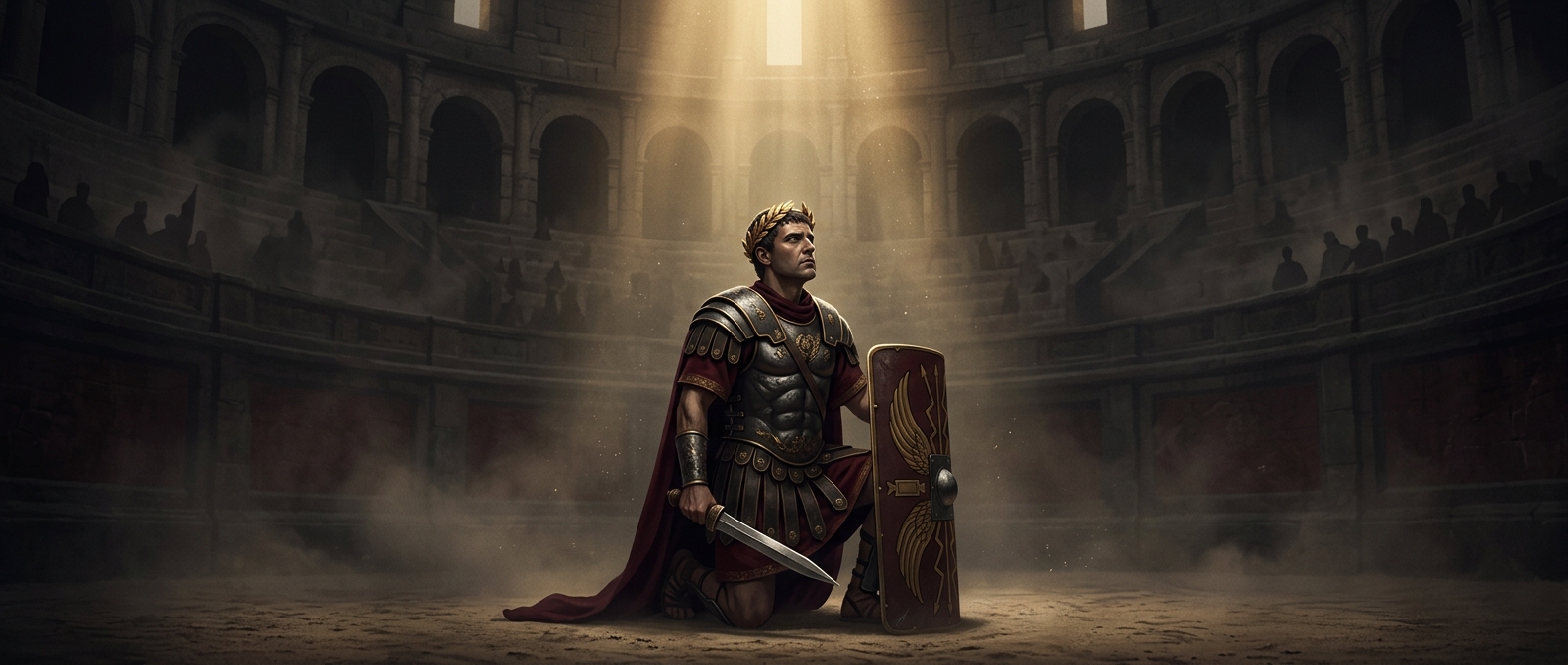
An emperor in a gladiator’s role
Commodus’s appearances in the arena overturned a powerful Roman expectation: an emperor was supposed to command violence, not perform it as a paid or professional fighter. Gladiators occupied a socially low status, and arena combat carried the taint of infamia—public disgrace associated with people whose livelihoods depended on entertaining a crowd.
That did not mean Romans rejected spectacle. Emperors sponsored games to display generosity and keep the city’s attention. Commodus made himself part of the show, appearing as a fighter and as Hercules, the mythic hero he identified with. The unusual step was not staging grand entertainment; it was putting the emperor’s own body on display in a role Romans considered beneath his office.
A contest built around the emperor
These were not ordinary, evenly matched bouts. Ancient accounts describe opponents put at a severe disadvantage, including men with disabilities, and animals killed under conditions that favored Commodus. The point was not to test whether the ruler could survive a fair contest. It was to let the crowd watch him win.
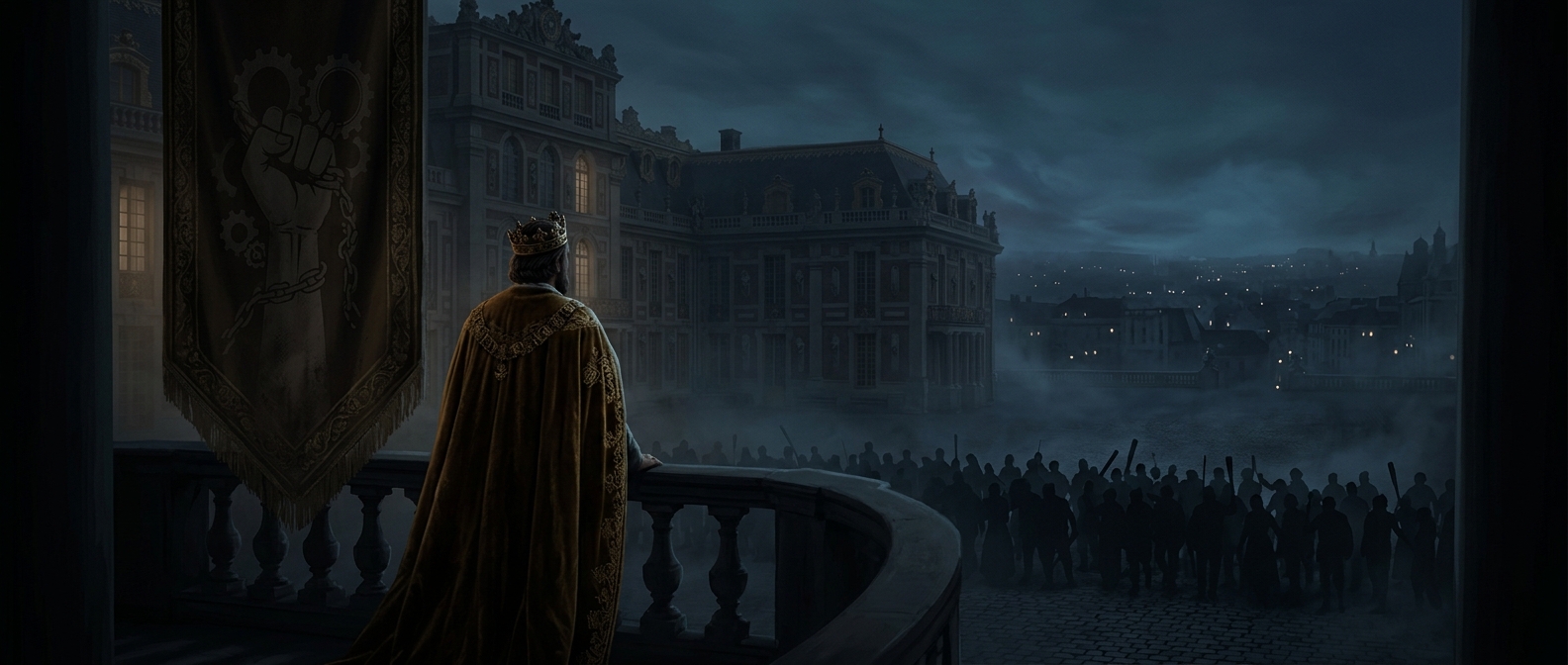
That arrangement sharpened the political problem. An emperor’s authority depended partly on appearing dignified and in control; a staged victory could instead make him look like a performer seeking applause. The arena magnified the contrast: the man who governed the empire was competing for cheers alongside professionals, while his opponents had little realistic chance to prevail.
Applause with a cost
The spectacles could impress or entertain spectators, but they also gave critics a vivid image of misplaced priorities. Roman writers hostile to Commodus presented his arena appearances as evidence that he had abandoned the restraint expected of a ruler. Their accounts need to be read as hostile portrayals, yet the underlying choice was unmistakably provocative: Commodus turned imperial power into a public performance—and made the emperor himself the spectacle.