A drawing problem opened a new direction
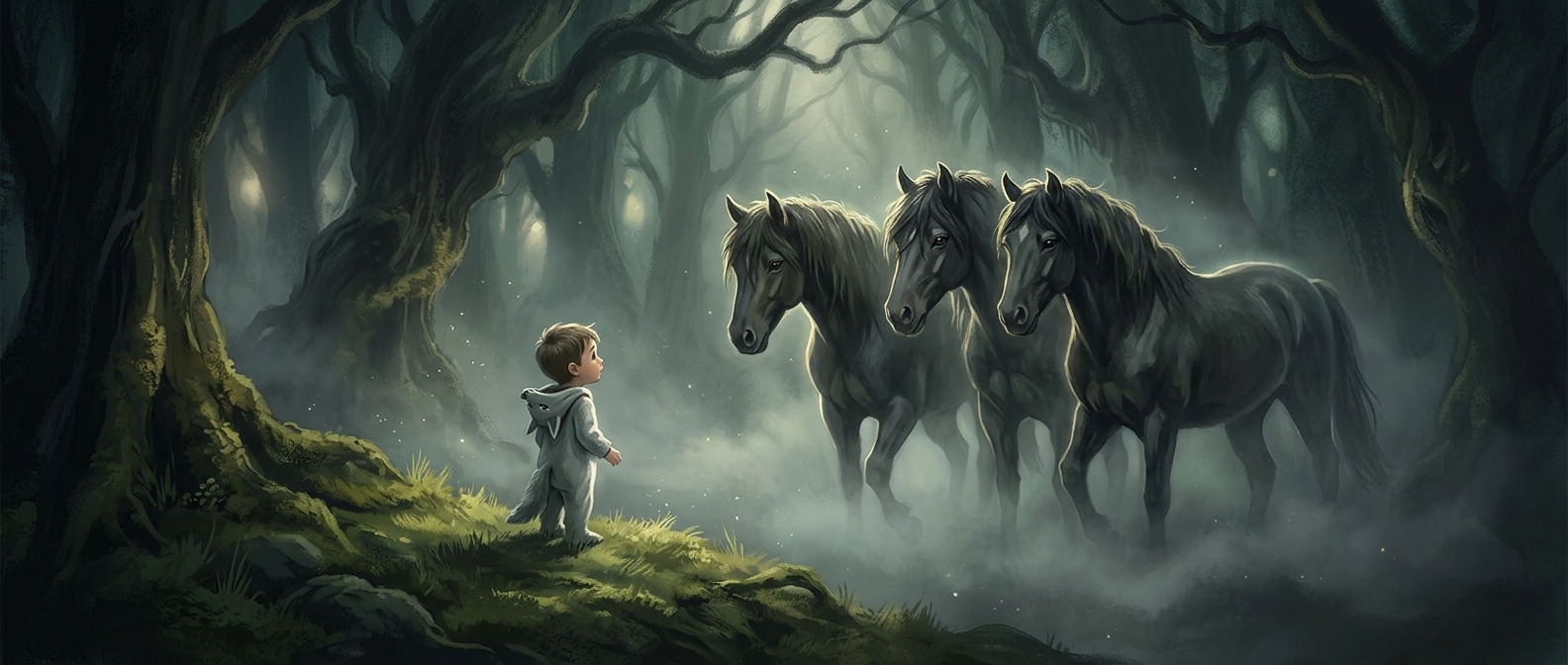
Maurice Sendak’s first idea for the book centered on wild horses. But horses proved difficult for him to draw convincingly, so he shifted away from animals with familiar anatomy and toward invented creatures—the Wild Things.
That change did more than replace one kind of character with another. A horse comes with expectations: its shape, movement, and features need to read clearly as a horse. Imaginary monsters have no fixed template. Sendak could give them mismatched horns, claws, feathers, or grins without worrying that they looked anatomically wrong.
The creatures could carry the story
The Wild Things’ odd, varied appearances helped make them feel like a group of distinct personalities rather than interchangeable beasts. Their designs could be funny or intimidating, sometimes both at once—a useful range for a story in which a child enters a world that is thrilling as well as unsettling.
The familiar title arrived through a practical detour: the creatures were not the polished solution to a horse-drawing challenge, but a way around it. In illustration, a limitation can change what a book is about—not by dictating the story, but by making a different set of images possible.