How an awkward dinner became Lady and the Tramp’s signature scene
A romantic spaghetti dinner sounds simple on paper. In animation, it posed a practical problem: two dogs had to share a long noodle in a way that felt tender rather than silly. If the timing or expressions were off, the scene’s central gag could overwhelm its romance.
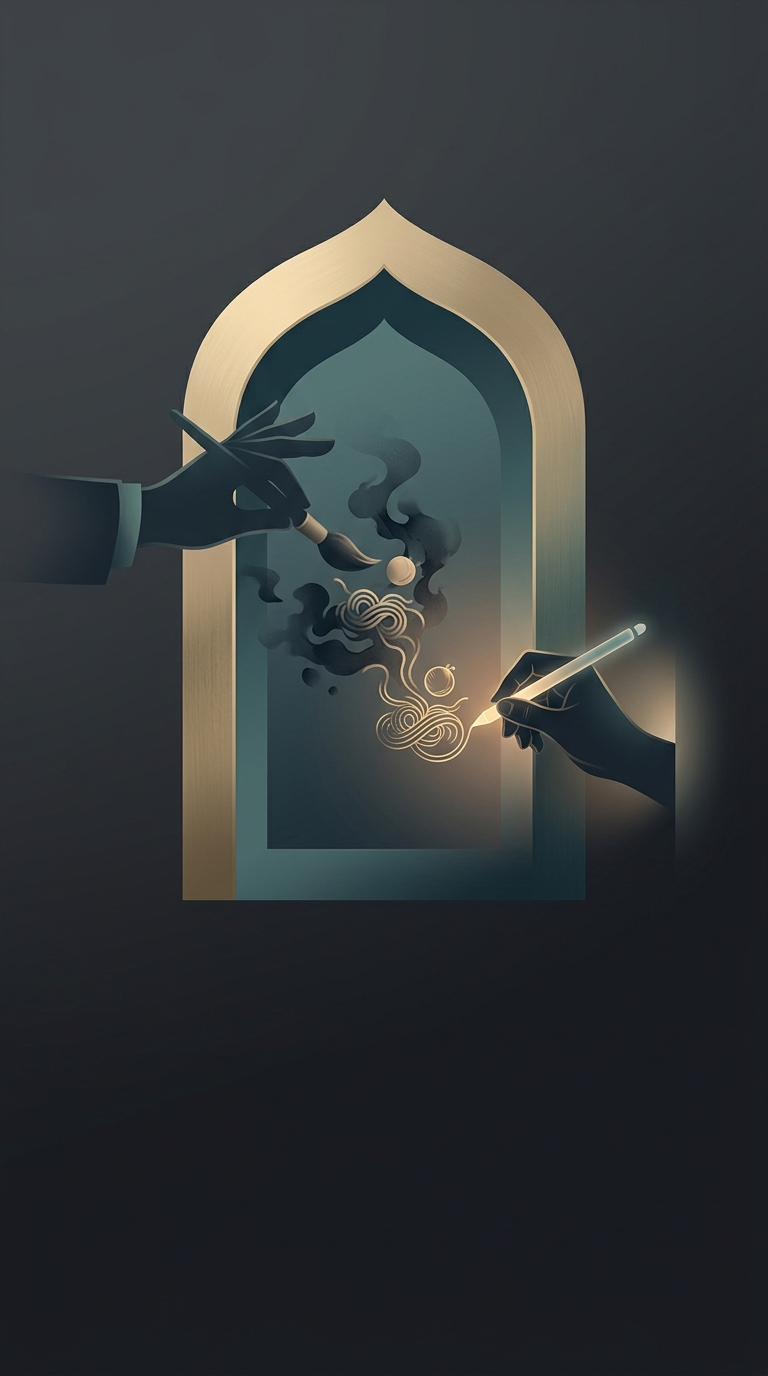
Walt Disney reportedly doubted that the moment would work and pushed to cut it. Animator Frank Thomas, convinced the scene could carry the emotion, developed it on his own time. That private effort gave the idea something an outline could not: a chance to be judged as moving images, with the dogs’ gestures and timing doing the storytelling.
Why seeing the animation mattered
The dispute turned on a familiar creative divide. A scene can seem implausible or awkward in a written description, yet become persuasive when performance gives it warmth. Animation makes that test especially important: artists must construct every glance, pause and movement that an audience reads as spontaneous.
After Disney saw Thomas’s work, he relented, and the sequence stayed in the film. Its charm comes from the same risk that made it vulnerable to deletion: the spaghetti is both a comic physical detail and the means by which the dogs’ shared meal becomes an intimate moment. The scene’s unlikely premise became part of its appeal.