The bargain behind the Genie’s voice
Robin Williams’s reported $75,000 fee for voicing the Genie in Aladdin was not simply a low price for a star. It came with a boundary: his performance was not to be used aggressively to sell tie-in products such as toys or fast-food meals. The distinction mattered because an animated character could live far beyond the film—in commercials, packaging, and restaurant promotions—turning a voice performance into a recurring sales tool.
Why one performance could sell so much
Williams made the Genie unusually recognizable through rapid-fire impressions, comic shifts in tone, and references that made the character feel like a distinct personality. That gave Disney something more valuable than dialogue alone: a memorable voice audiences could connect with the character across different settings. Merchandise could extend the film’s reach, but it could also make the performer’s work part of an advertising campaign he had agreed not to support.
The conflict exposed a tension in Hollywood’s move toward franchise marketing. A performer may think of a role as a contribution to a story, while a studio sees the character—and everything that makes it recognizable—as an asset that can promote products. For animation, where a character can be reproduced endlessly, the gap between those expectations can be especially consequential.
A painting, not a change in the deal
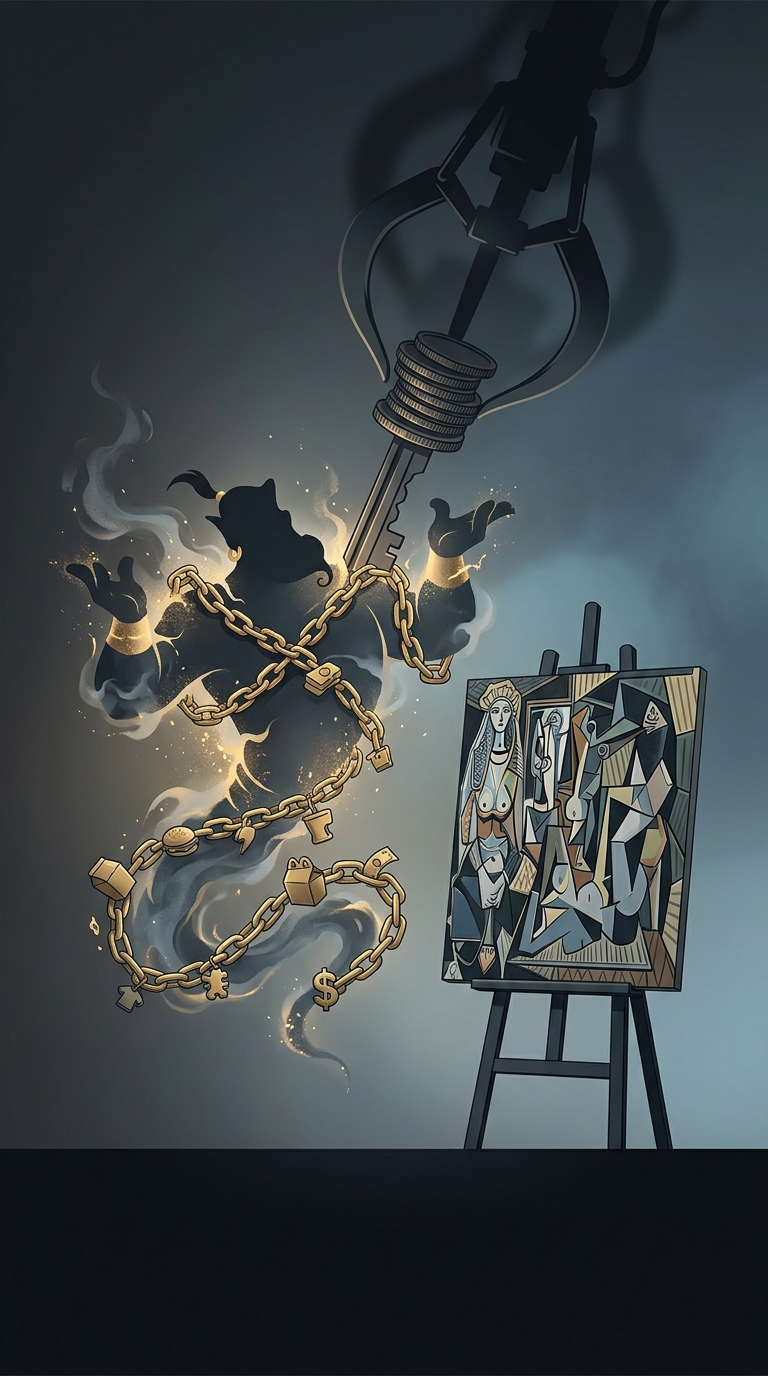
Disney later used Williams’s Genie performance to sell merchandise, contrary to the condition he had set. The studio sent him a Picasso painting in an attempt to make amends. The gesture was striking, but it could not undo the underlying mismatch: the value of a voice performance can extend well beyond the film, even when the performer’s agreement was meant to limit that use.