How Aladdin Got a More Grown-Up Look
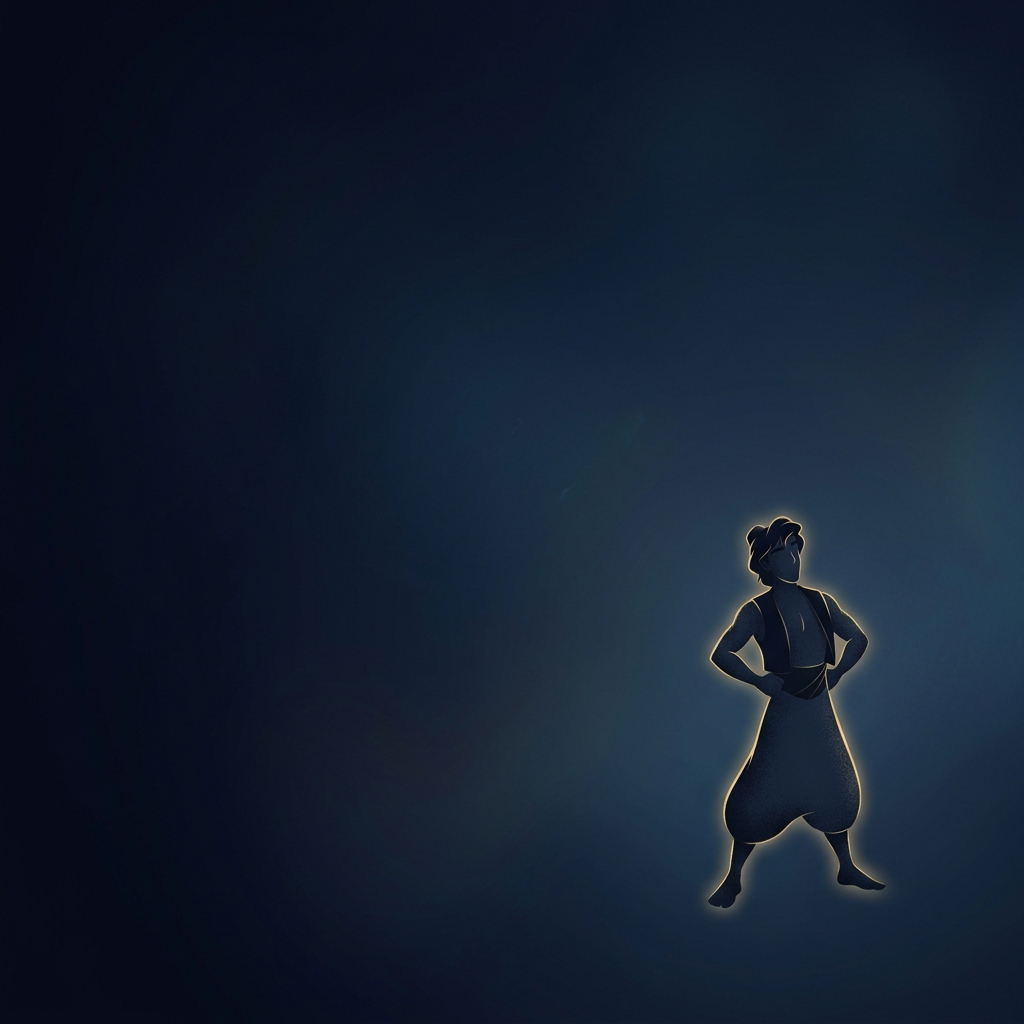
Aladdin’s design was adjusted to make him read less like a boyish teen and more like a confident romantic lead. The early version drew on Michael J. Fox; the later design borrowed cues associated with Tom Cruise, especially a knowing smirk and strong, expressive eyebrows.
That shift mattered because animated characters have to communicate personality quickly. There is no live-action actor’s voice, subtle facial movement, or physical presence to fill in the gaps. A lifted eyebrow or tilted smile can do the work of a longer exchange, signaling confidence before Aladdin says a word.
Inspiration, Not a Portrait
The change was not about reproducing Cruise’s face exactly. Animators use familiar faces as visual shorthand: a reference can suggest an attitude, an expression, or the overall impression a character should make. Those cues are then reshaped to fit the character’s own proportions and the film’s style.
The design also had to stay readable in motion. Aladdin needed to look appealing and self-assured while still seeming quick, playful, and capable of getting into trouble. The sharper expression gave him more leading-man confidence without erasing the boyish energy that makes his adventures feel spontaneous.
A small change in eyebrows and smile can therefore alter the role a viewer sees: not simply a young street kid, but someone the story can plausibly frame as a romantic hero.