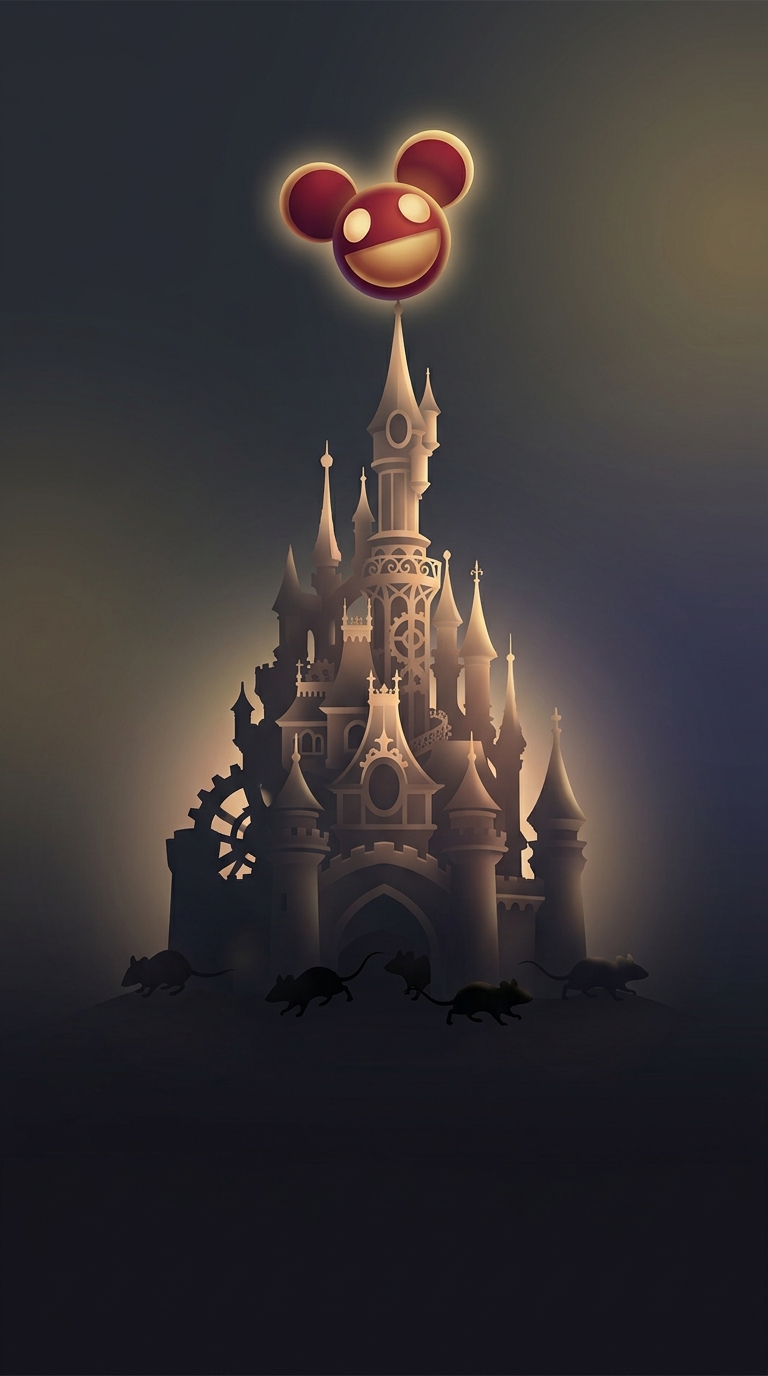
A pest became a personality
The striking difference between a real mouse and Mickey Mouse is not just that one wears clothes. A mouse darting through a studio is an unpredictable animal: it hides, scurries, and appears where people do not want it. A cartoon character, by contrast, is fully controlled. It has a face that can register emotion, a voice, and intentions an audience can read.
That transformation made the mouse useful as more than a funny shape. Mickey could be mischievous without being threatening, and his reactions could turn a small mishap into a comic story. The audience was not being asked to admire a pest; it was being invited to identify with a character.
From drawing to dependable mascot
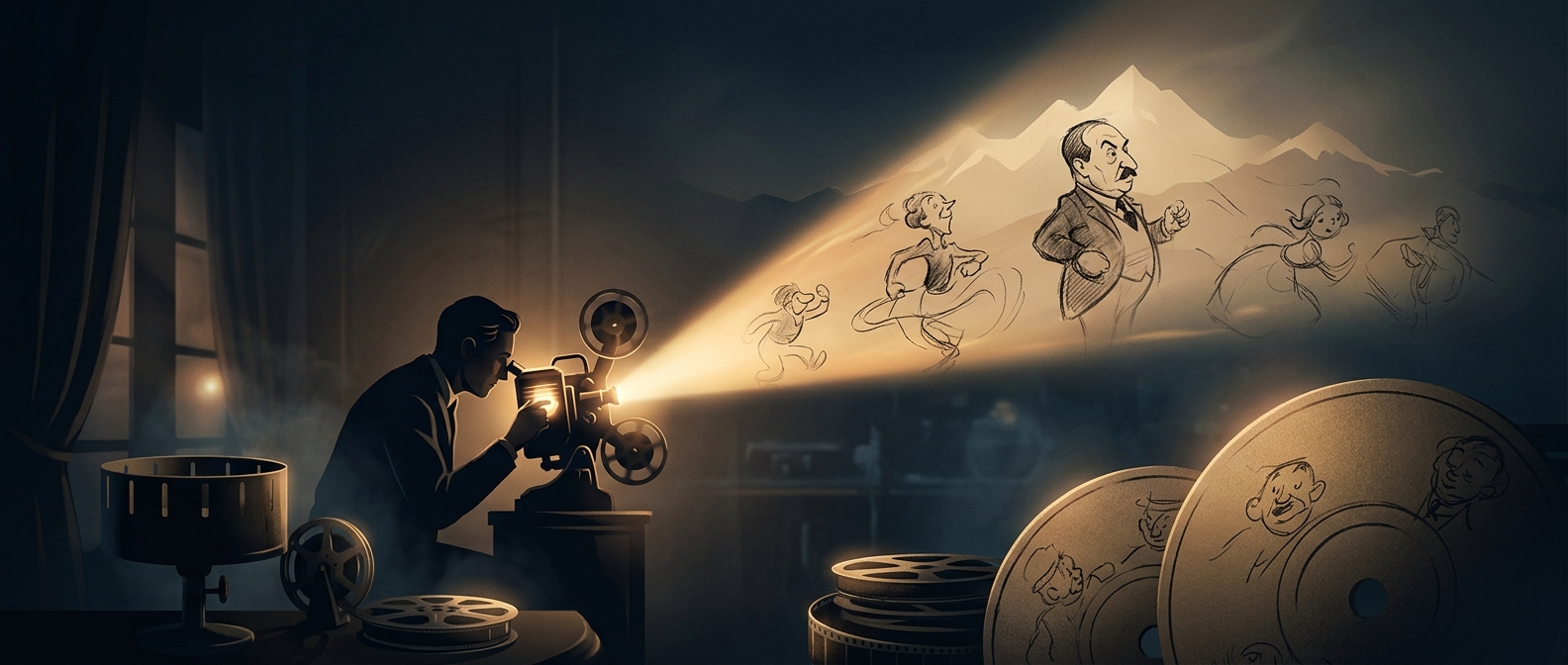
Animation also made the design practical. A character needed to remain recognizable while moving, changing expression, and appearing again and again. Mickey’s simplified features and strong silhouette helped make him legible in motion and easy to recognize at a glance. Once audiences knew him, the same character could carry stories across films and other formats without needing a new introduction each time.
That distinction helps explain why reports of Walt Disney’s fear of real mice do not undermine Mickey’s appeal. The character was not a celebration of rodents as they are; he was a carefully shaped, controllable idea of one. Disney’s personal reaction and the studio’s creative use of a mouse could therefore coexist: one belonged to everyday life, the other to a world built from drawings, timing, and personality.
The result was a mascot people could recognize even outside a film. A creature that might vanish under a desk in real life became, on screen and in merchandise, a familiar figure whose every gesture was designed to be seen.