Why a Tiger Voiced The Lion King’s Lions
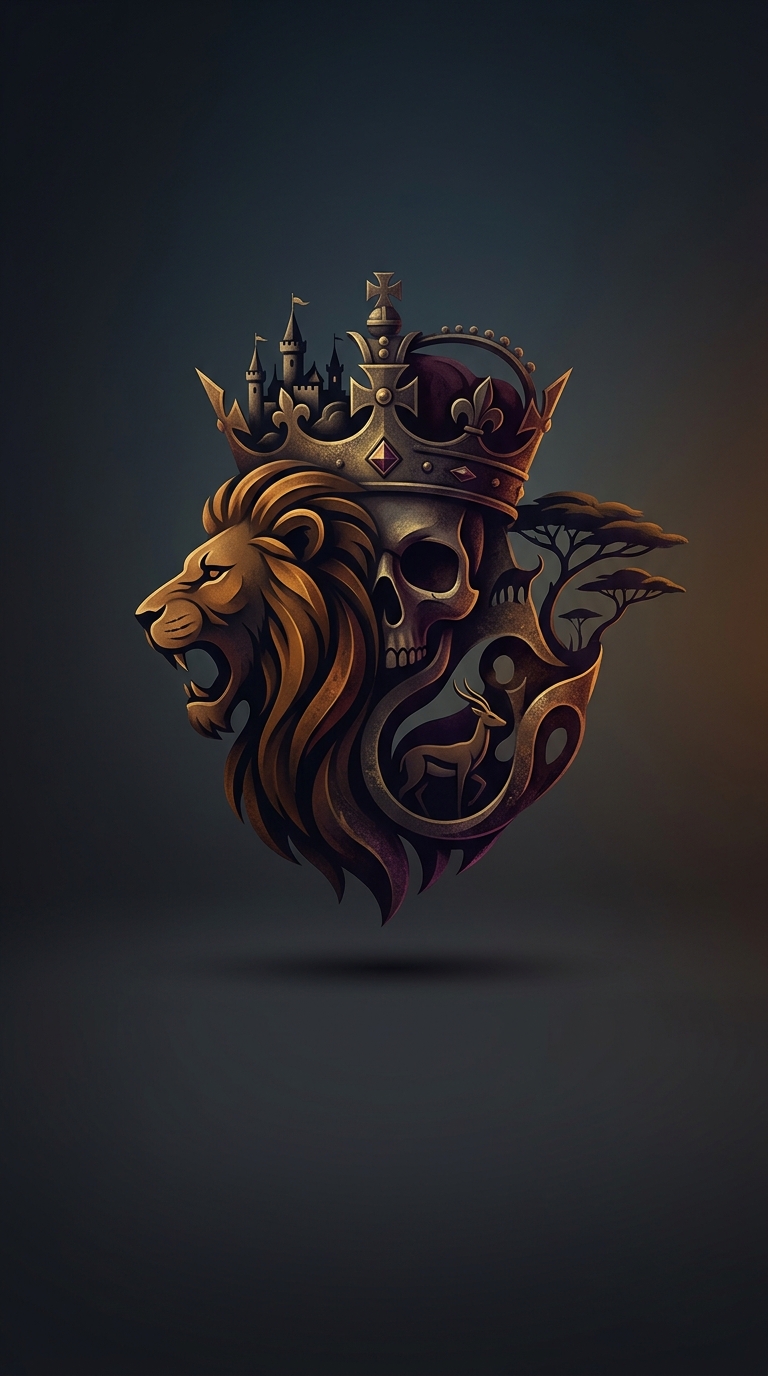
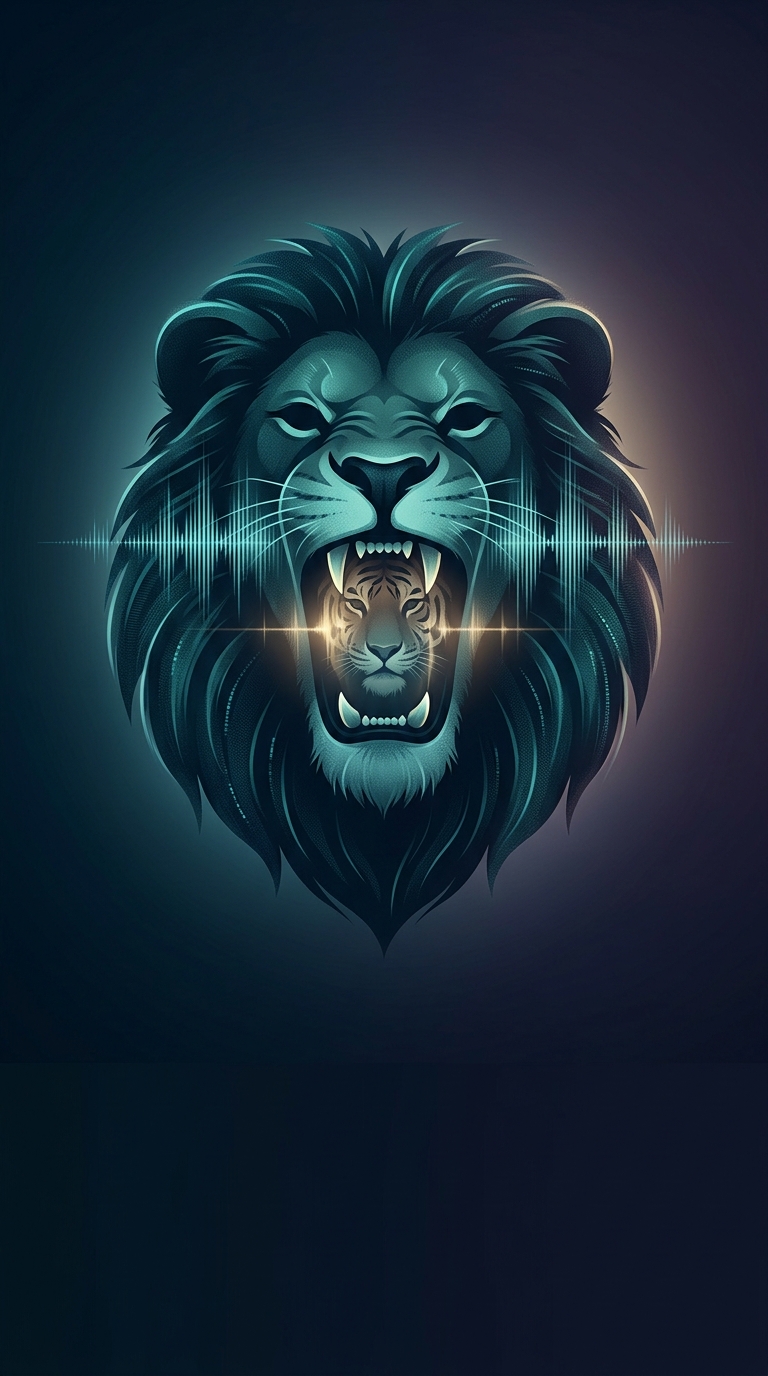
The famous roars were made using tiger vocalizations, not recordings of lions. For a film sound team, the goal was not zoological documentation; it was to give each roar weight, texture, and a clear emotional punch. A tiger’s powerful, rough-edged call could provide a convincing starting point for the larger-than-life sound the story needed.
A Film Roar Is Built for the Scene
An animal recording rarely has to be used exactly as captured. Sound designers can select and edit a brief portion, adjust its timing or pitch, and combine it with other sounds. These techniques help a roar fit a character and a moment—whether it needs to feel threatening, triumphant, or simply enormous.
That distinction matters: the animal that supplies a sound is not necessarily the animal a listener thinks they hear. In The Lion King, tiger sounds helped create the impression of lions, while the film’s animation and storytelling told audiences what the characters were.
The Sound Serves the Story
A realistic recording of a real lion was not the only route to a believable movie lion. By shaping tiger vocalizations into a dramatic effect, the filmmakers could make the roars feel vivid and expressive without treating the soundtrack as a wildlife recording. The next time one of those roars fills the screen, the sound’s identity is part of the craft: a tiger helped make the lion sound like a lion.