A backstage name, not a paint specification
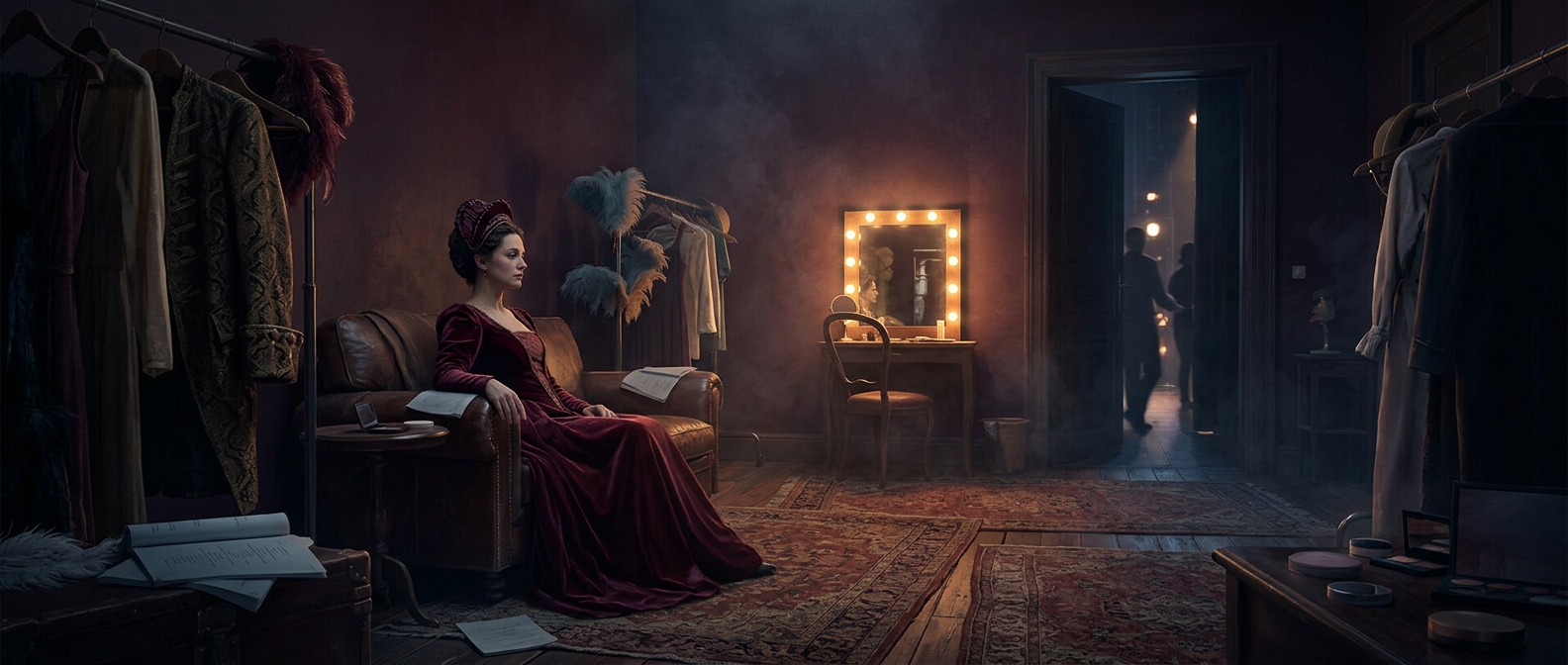
A theatrical green room is a place for performers to wait and gather when they are not onstage. The name does not prescribe its color: a room can serve that purpose whether its walls are green, white, or another shade. The practical job matters more than the décor.
That distinction helps explain why the term survives even when a room offers no visual clue to its name. Theaters adapt backstage spaces to their buildings and needs; “green room” identifies a use, not a standard design.
Why the name may have stuck
The word’s history is unsettled. One explanation connects “green” with actors who were young or unprepared. Another points to green baize, a sturdy cloth once used to protect costumes. These possibilities suggest different paths from backstage life to the familiar label, but neither is certain enough to settle the origin.
The cloth explanation also hints at how theater vocabulary can outlast the objects that may have inspired it. A term can remain useful after rooms, materials, and habits change. So the next time a green room is beige—or simply a corner behind the stage—the name may still fit perfectly.