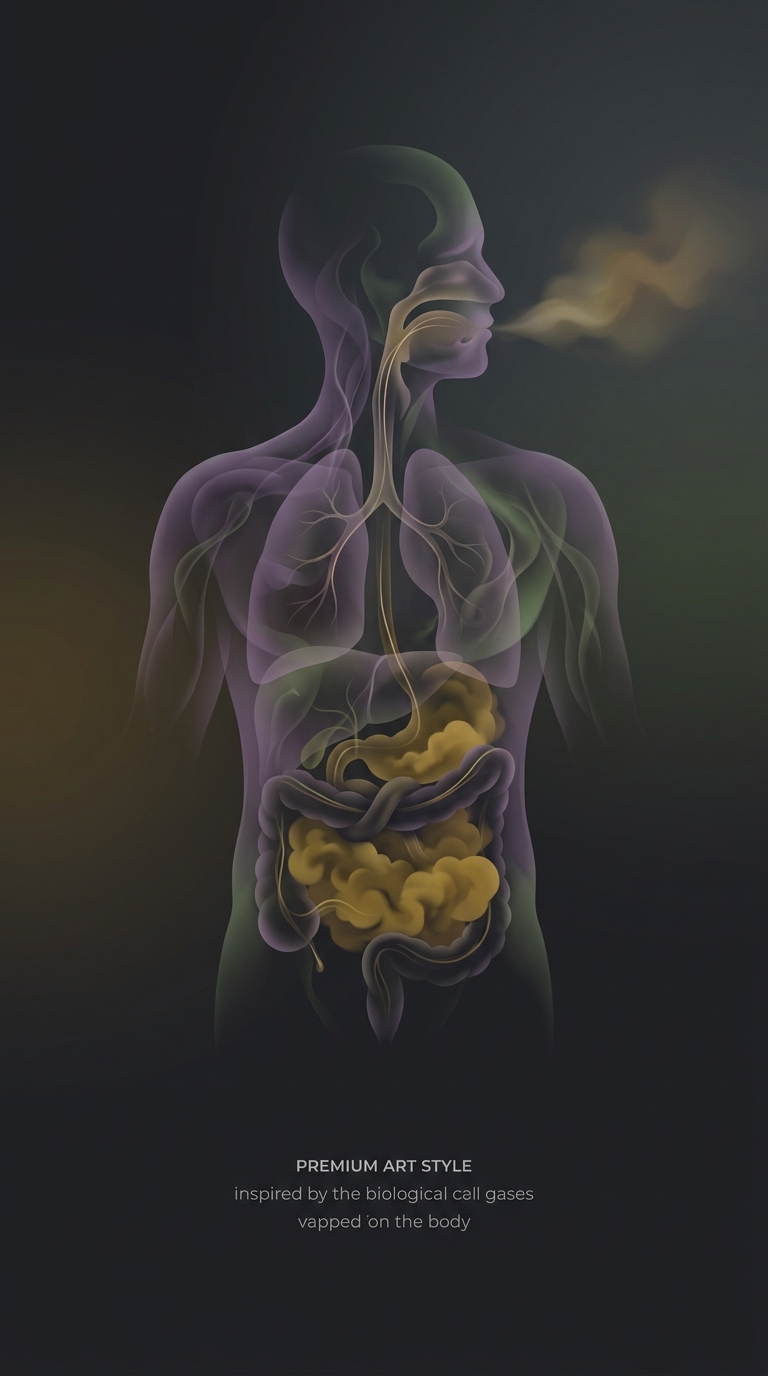
Why digestion produces gas
Gas is a by-product of ordinary eating and digestion, not simply a sign that a meal was “bad.” Some air is swallowed while eating, drinking, or talking; much of it is released as burps. Farther along the gut, bacteria ferment carbohydrates that the small intestine did not absorb. The resulting gases move through the colon and eventually leave the body.
The amount varies with what someone eats and how quickly food travels through the gut. Beans, lentils, some vegetables, and certain whole grains contain carbohydrates that gut bacteria readily ferment. A sudden increase in fiber can therefore bring a temporary increase in gas, even when the foods are nutritious. Eating quickly or chewing gum can also mean swallowing more air.
Frequency is only part of the picture
People differ in diet, digestion, and how much gas they notice. A count by itself is less informative than a clear change from someone’s usual pattern or symptoms that interfere with daily life. Bloating can happen when gas builds up or moves slowly; it does not necessarily mean the body is producing an unusually large amount. Odor is also not a reliable measure of how much gas there is: small amounts of sulfur-containing compounds can make it smell strong.
If gas comes with persistent abdominal pain, diarrhea, constipation, blood in the stool, or unexplained weight loss, it is worth discussing with a healthcare professional. Otherwise, noticing whether symptoms follow a particular food—and changing one thing at a time—can help distinguish a normal digestive variation from a pattern that deserves attention.