Why Bile Starts Out Greenish
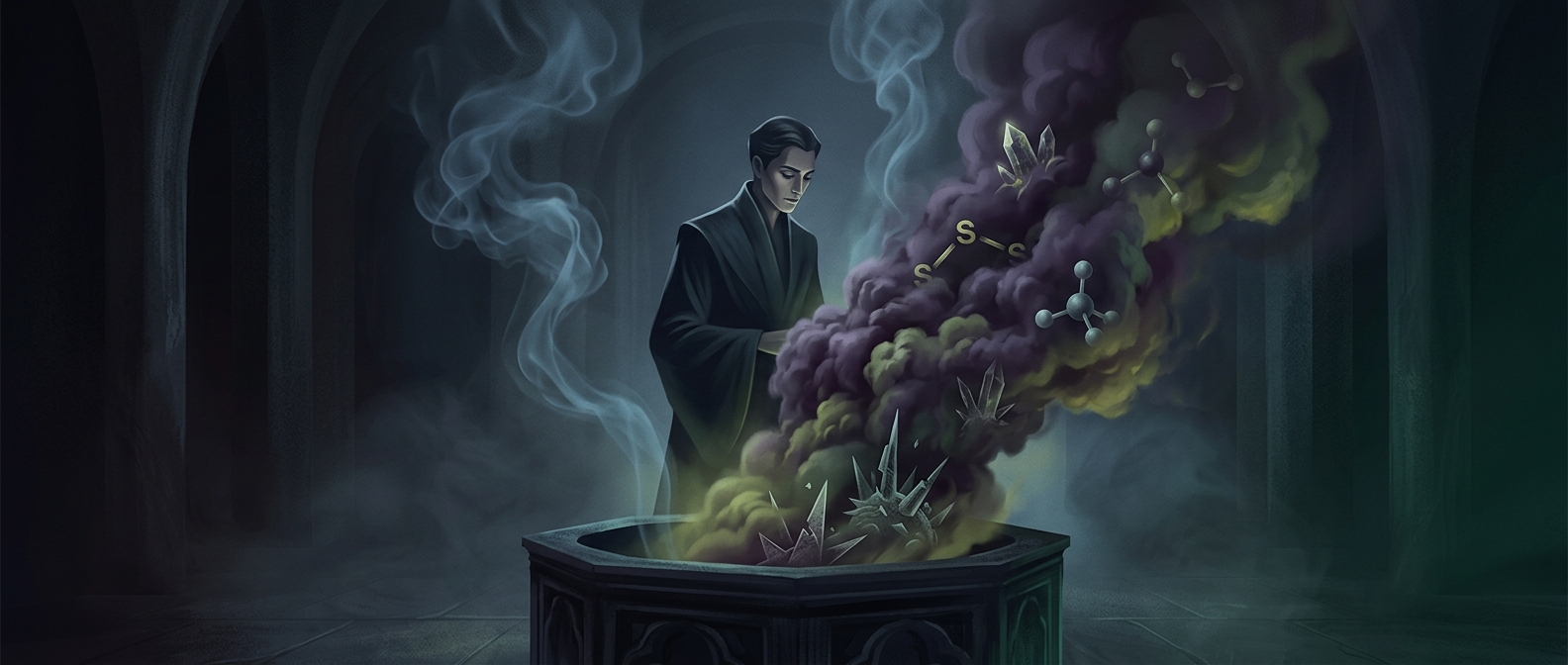
Bile is a digestive fluid made by the liver and released into the small intestine, where it helps the body handle fats. It contains pigments from the breakdown of old red blood cells. As bile travels through the gut, those pigments are chemically changed: intestinal bacteria help turn them into stercobilin, a brown pigment that gives ordinary stool much of its color.
When the Color Change Gets Cut Short
If intestinal contents move unusually quickly—often during diarrhea—the pigments have less time to undergo those changes. Some of their original green tint can remain, making the stool look green. The color is a visible clue to what happened during digestion: the contents passed through faster than usual, not necessarily that the body produced a different kind of bile.
Green stool can also follow eating strongly green foods or foods colored with green or blue dyes. Those pigments may pass through the gut and affect the color directly, so the appearance alone does not identify its cause.
Read the Color in Context
A brief color change after a meal or a short bout of diarrhea often resolves as digestion returns to its usual pace. If green stool persists or comes with concerning symptoms such as severe pain, fever, or signs of dehydration, it is worth seeking medical advice. The key mechanism is simple: stool color reflects both the pigments entering the intestine and the time available for the gut to process them.