How a swallow moves food without gravity
A swallow is a coordinated handoff, not a simple drop. The tongue pushes food to the back of the mouth, where nerves trigger a rapid sequence: the airway closes briefly, the entrance to the esophagus opens, and muscles propel the food onward. The esophagus is the muscular tube connecting the throat to the stomach.
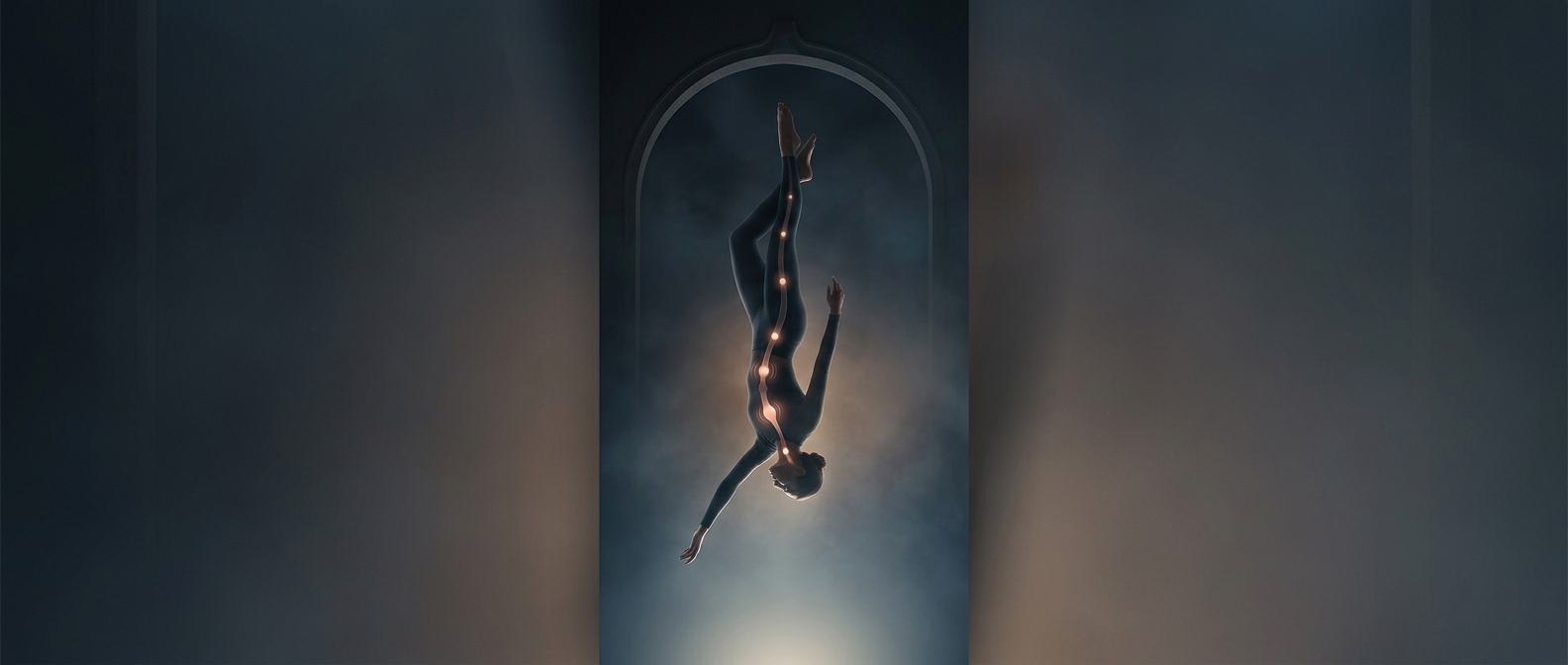
Its wall contracts in a moving ring behind the food and relaxes ahead of it. This traveling squeeze, called peristalsis, pushes a bite along even when the body is tilted or inverted. Gravity may help when someone is upright, but it is not the engine of the journey.
The same motion continues beyond the throat
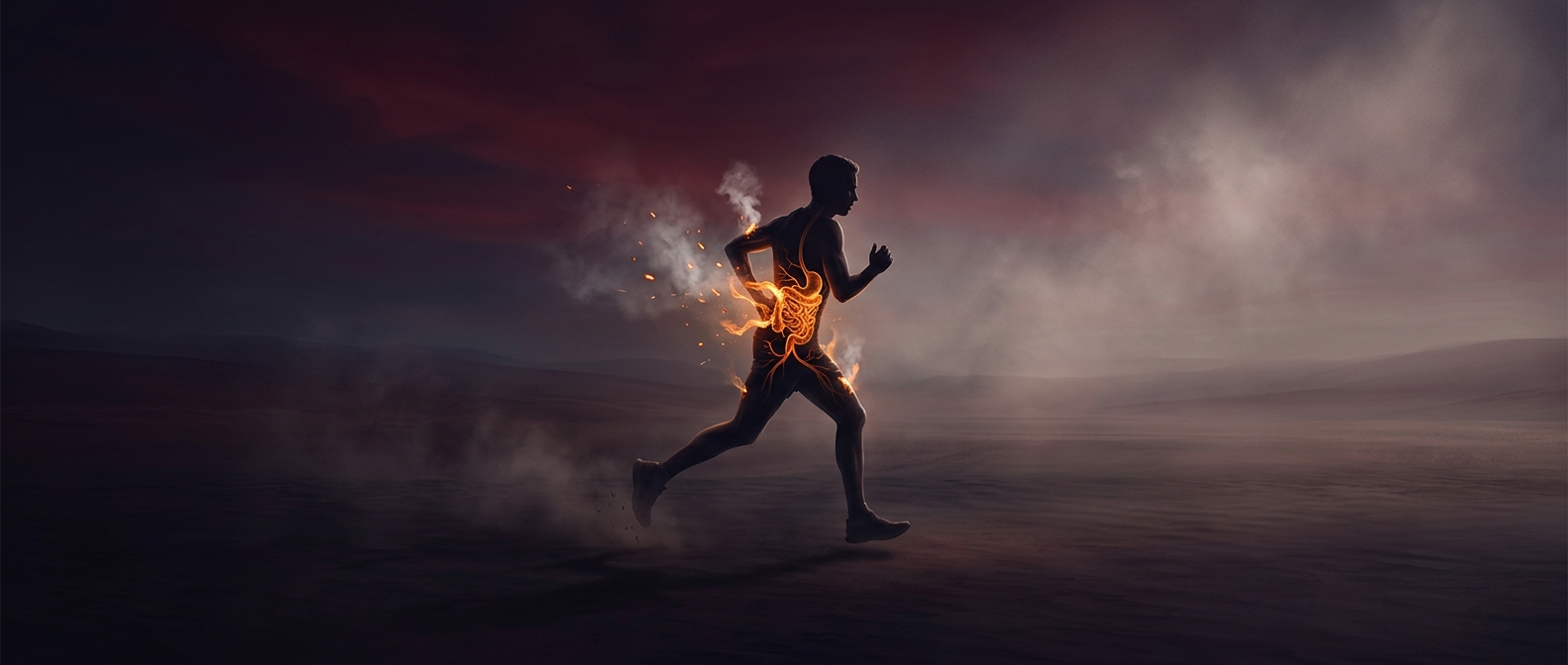
At the lower end of the esophagus, a ring of muscle relaxes to let food enter the stomach, then tightens again. The stomach and intestines also use muscular contractions to mix and move their contents. These motions are why digestion can proceed in different body positions rather than depending on food falling through a vertical tube.
Swallowing still relies on precise timing. The airway must be protected while food is directed into the esophagus; if that coordination is disrupted, food or liquid can enter the airway. So the striking part is not that position never matters, but that muscle coordination—not an upright posture—does the essential work of moving a swallow toward the stomach.