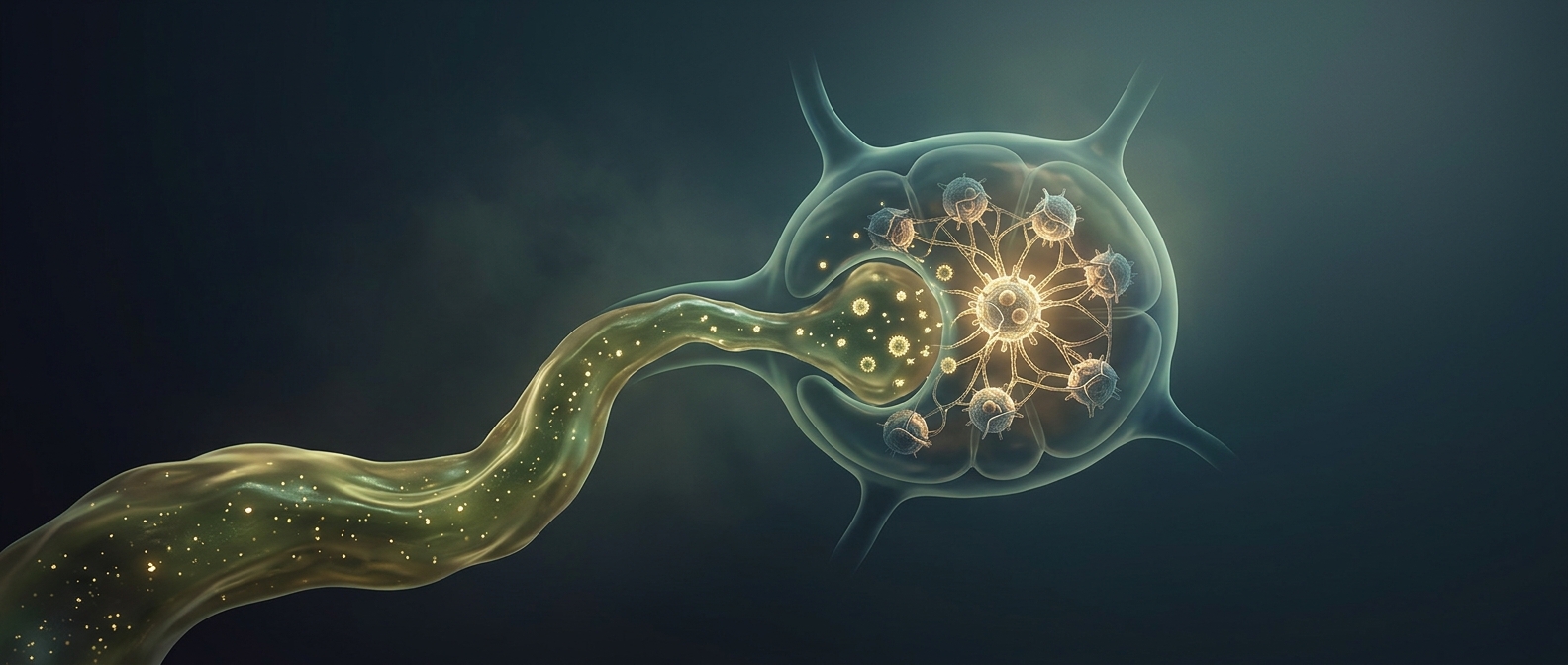
A kiss is a brief exchange, not a permanent transplant
The mouth is home to a large community of bacteria living on the tongue, teeth, gums, and other surfaces. Saliva washes across those habitats, picking up microbes as it goes. When two people kiss, that saliva can carry bacteria directly from one mouth into the other.
But being transferred is not the same as taking up residence. A bacterium that arrives in another person’s mouth may be swallowed, washed away by saliva, or unable to thrive there. To persist, it has to fit into a particular oral habitat and compete with microbes already established in it. The conditions that suit one person’s mouth may not suit another’s.
Why contact matters—and what it doesn’t mean
Close contact makes exchange possible; the sheer number of bacteria involved does not mean that all of them survive or cause harm. Many are ordinary residents of the mouth. Whether a microbe matters depends on what it is, where it ends up, and whether it can grow there. Some microbes can contribute to illness, but a count of transferred bacteria alone cannot tell you that a kiss will make someone sick.
The useful distinction is between exposure and lasting change. A kiss can move a large number of microscopic passengers in seconds, while the longer-term makeup of each person’s mouth remains shaped by which microbes can actually settle and persist.