Why defenses can shift after a hard effort
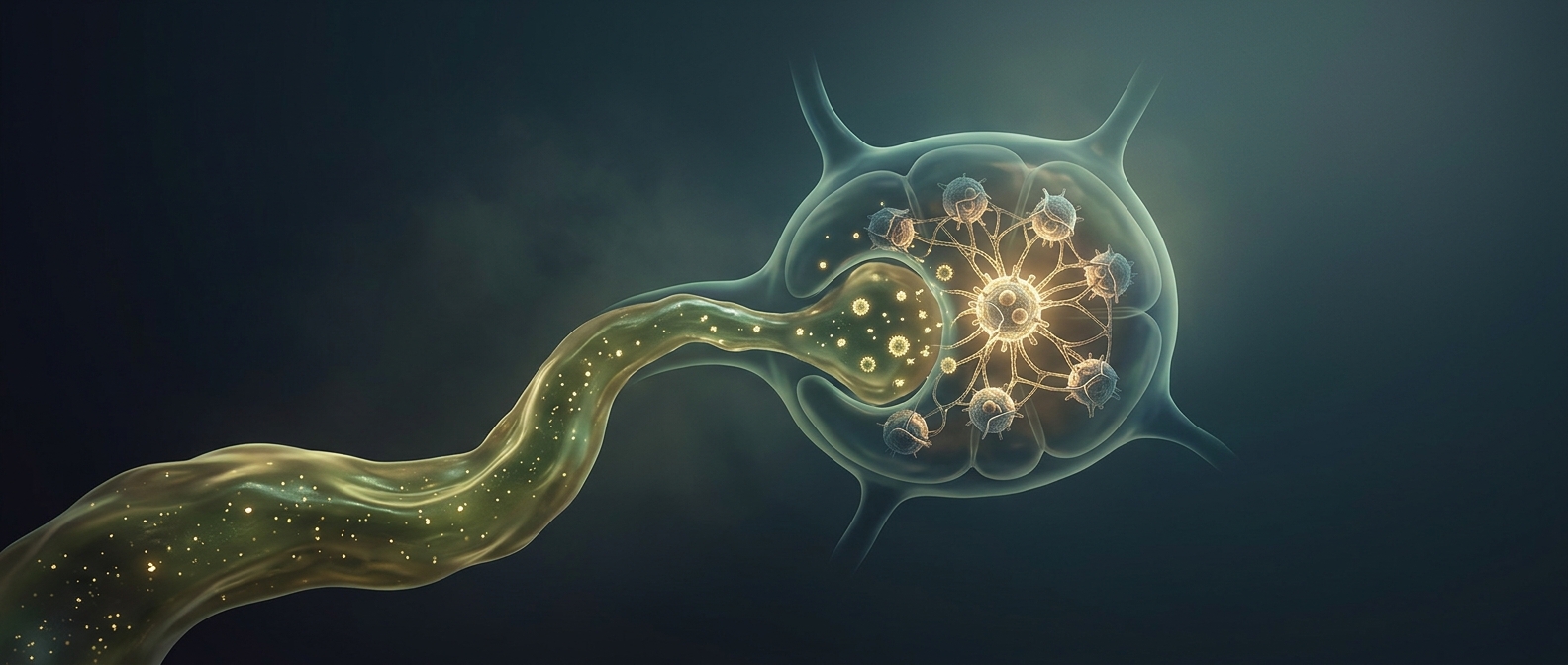
During prolonged, strenuous exercise, the body releases stress hormones such as adrenaline and cortisol. They help redirect energy toward working muscles and keep the body responding to the physical demand. They also change where some immune cells are circulating and how active they are. After exercise, the number of certain cells measured in the blood can fall for a time—not necessarily because those cells have vanished, but because immune activity and cell movement are adjusting.
A temporary change, not an automatic illness
The effects vary with the length and intensity of the effort, and some aspects of immune activity may take hours or longer to return to their usual state. In some cases, changes can persist for up to 72 hours. That does not mean the body is defenseless throughout that period or that a person will inevitably get sick. Immune protection involves many interacting systems, not a single blood-cell count.
The practical point is that recovery is part of the workout. After an unusually demanding session, rest, adequate food and fluids, and sleep give the body time to recover from the overall strain. The temporary immune shift is one reason a grueling effort is not simply a matter of pushing harder: the work continues after the exercise ends.