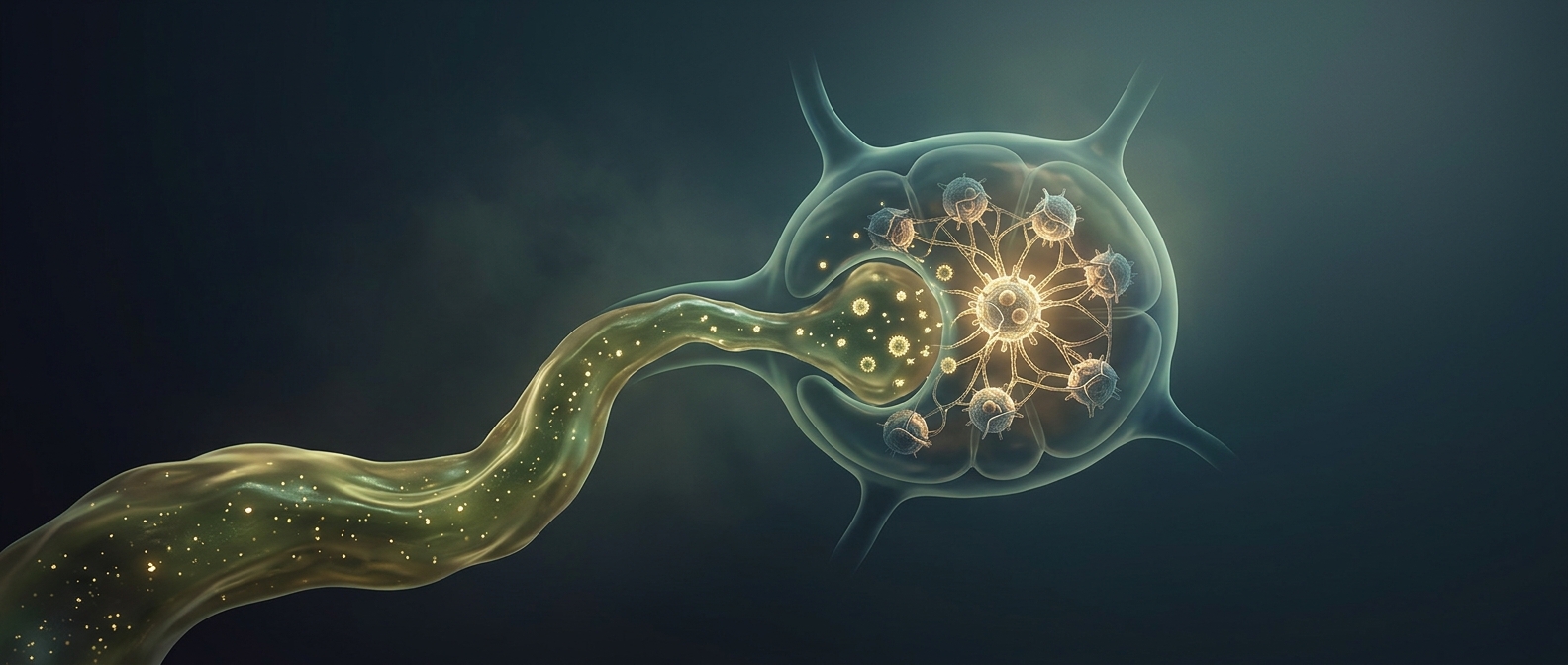
How the immune system learns what not to attack
Immune cells are built to recognize threats by detecting molecular patterns. During their development, many cells that react strongly to the body’s own molecules are removed or restrained. This safeguard is called immune tolerance: the ability to distinguish “self” from “foreign” and avoid damaging healthy tissue.
In an autoimmune condition, that restraint fails in some way. Self-reactive immune cells may become active, and the immune system can produce antibodies—proteins that bind to particular targets—or send cells that attack them directly. The resulting inflammation can disrupt how a tissue works, and repeated or prolonged inflammation may injure it.
Why one condition can look nothing like another
The effects depend on what the immune response targets. If it focuses mainly on one organ or tissue, problems may be concentrated there. If it affects targets found throughout the body, symptoms can involve several systems. Even when the same tissue is involved, the amount and timing of inflammation can differ, so symptoms may change over time.
That is why “autoimmune” names a broad mechanism, not one illness with a standard set of symptoms. Clinicians look at the pattern of symptoms and test results together; finding an immune marker alone does not necessarily explain every symptom.
What the mistaken attack changes
Treatment often aims to reduce harmful immune activity or control inflammation, while limiting effects on the immune system’s useful defenses. The balance depends on the condition and the person. The practical consequence is that the same underlying mistake—immune defenses reacting to the body’s own tissues—can call for very different care depending on where the attack is happening.