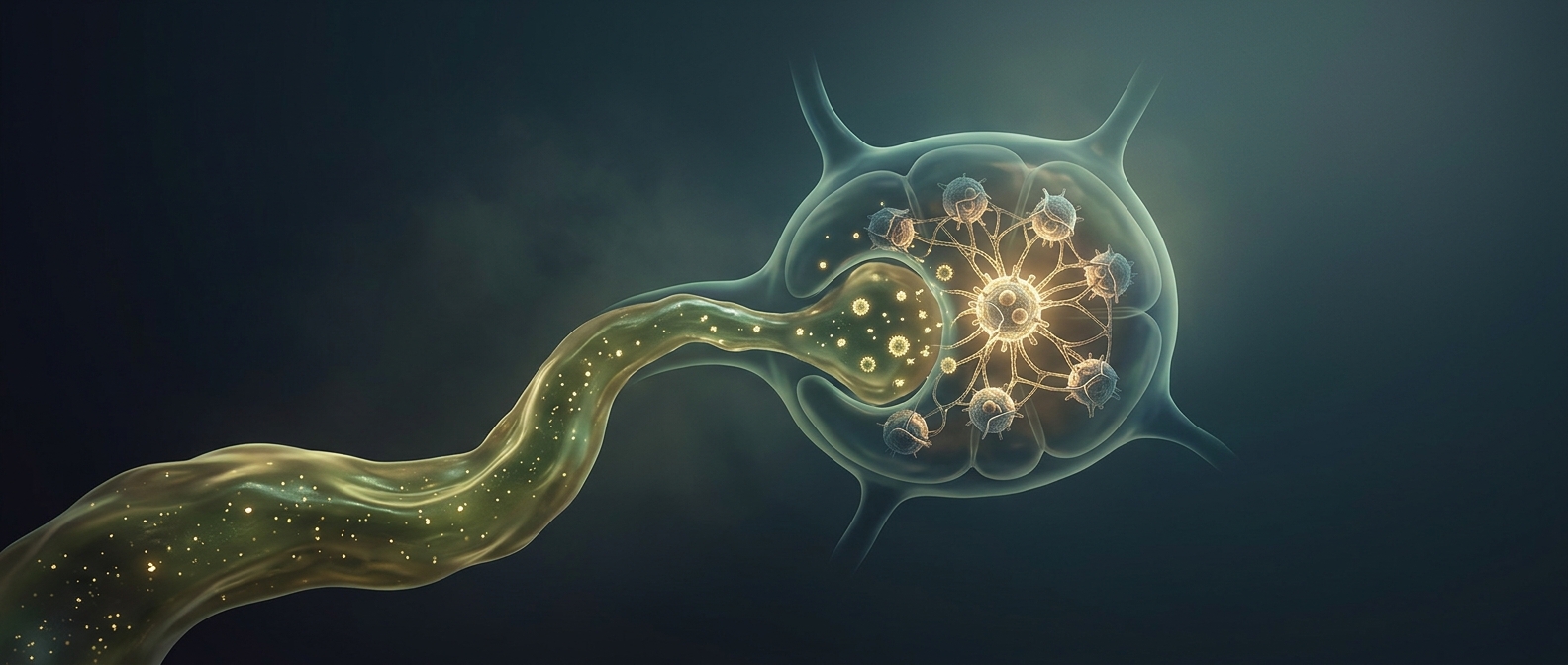
How measles can erase immune memory
The immune system keeps a record of past infections in specialized cells. After an infection, some memory B cells remain: they can quickly make antibodies—proteins that recognize and help neutralize a particular germ—if it returns. Memory T cells also help coordinate or carry out immune attacks.
Measles can disrupt that record. The virus infects immune cells, including B cells, and can damage the populations that hold memories of earlier infections. Researchers call this loss immune amnesia: the body may retain some defenses, but its library of learned responses can be depleted.
Why the damage can outlast the rash
As measles infection subsides, the immune system still has to rebuild. It can produce new immune cells, but those cells do not automatically know which pathogens the person encountered before. Some old protection may remain, while other defenses weaken; the extent varies from person to person.
That helps explain why a person who has recovered can become more susceptible to infections they had previously fought off. The danger is not only the measles illness itself. In the months or years afterward, other infections may find a less prepared immune system, especially in children.
Recovery means rebuilding a defense library
Vaccination prevents measles and, by doing so, avoids this particular disruption to immune memory. For someone who has had measles, recovery from the initial illness does not necessarily mean every earlier immune defense is intact. The striking consequence is that one infection can leave the body less prepared for a different one.