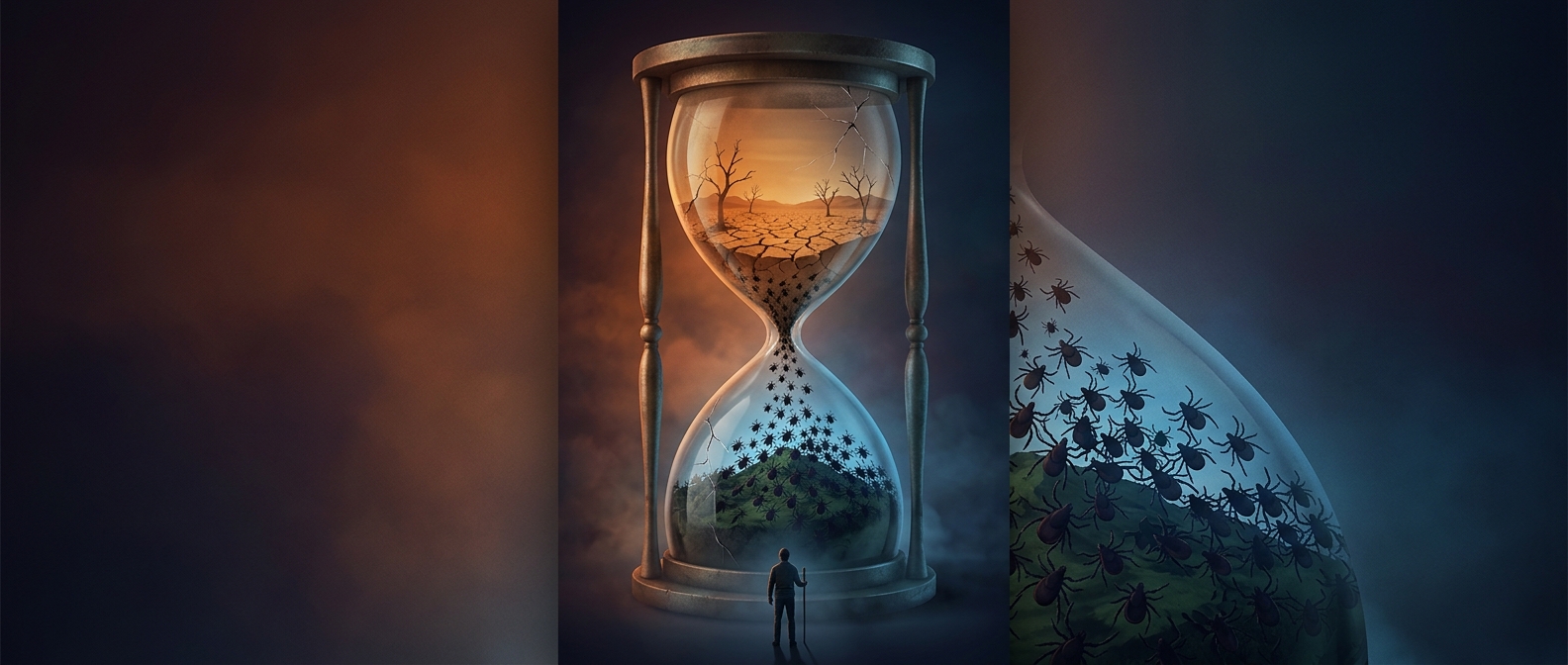
Why the air can remain a risk
When someone with measles breathes, talks, coughs, or sneezes, they can release tiny particles containing the virus. Unlike larger drops that fall to the ground quickly, some small particles stay suspended and move with the air. A person entering later may breathe them in, even though the infected person is no longer there.
The particles do not vanish when the door closes. Air movement, ventilation, and time gradually dilute or remove them; some also settle out of the air. How quickly that happens depends on the room and its airflow, so an empty room is not automatically a safe room.
Why timing and ventilation matter
This lingering airborne risk changes how a room should be considered after a measles exposure. Simply waiting for the person to leave—or briefly opening the room to others—does not guarantee that the air is clear. Ventilation helps by bringing in cleaner air and carrying contaminated air away, while time allows airborne particles to disperse or settle.
That is why a space recently occupied by someone with measles can still matter to people who were never near them face-to-face. For airborne infections, the exposure can outlast the person who created it.