The viruses that prey on gut bacteria
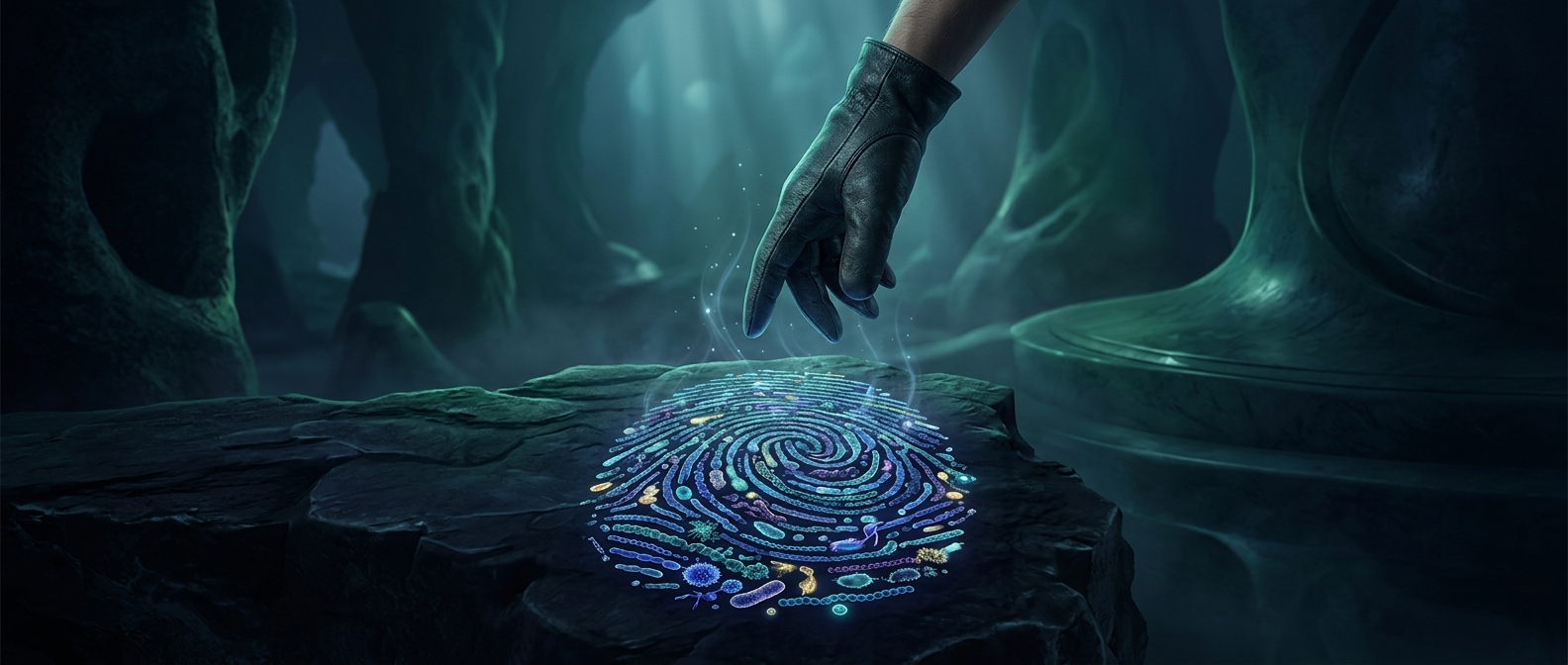
Bacteriophages, usually shortened to phages, are viruses that infect bacteria rather than human cells. In the intestine, many attach to particular bacterial strains, inject their genetic material, and use the bacterial cell to make copies of themselves. Some infections end when the cell bursts, releasing new phages and killing that bacterium. Others can leave viral DNA inside a bacterial cell for a time, changing how it behaves or when it later produces new viruses.
This makes phages part of the gut’s shifting food web. Their effects are selective: a phage that infects one bacterial strain may leave its neighbors untouched. When a susceptible strain becomes common, it can offer abundant targets; as phages multiply, that strain may decline, giving other microbes room to grow. Bacteria, in turn, can evolve ways to resist infection. The balance keeps changing rather than settling into a fixed roster.
How that can change digestion
Gut microbes help break down components of food that human digestive enzymes cannot fully process, and they produce compounds that interact with the intestinal lining and immune system. By changing which microbes are abundant—and, in some cases, how those microbes behave—phages can indirectly shift the gut’s chemical activity. The result may affect what microbial products are made from food and how the intestinal ecosystem responds.
That influence is not a simple dial controlling how much fat or nutrients a person absorbs. The effects depend on which phages and bacteria are present, what the person eats, and how the wider microbial community responds. Scientists are still working out how particular phage-driven changes translate into measurable effects on human digestion.
A community in motion
A gut-microbiome snapshot can show which microbes were detected at one moment, but it does not capture every interaction shaping them. Phages add another layer: they can suppress some bacterial populations, help others gain ground, and carry genes that alter bacterial traits. Digestion is influenced not just by which microbes are present, but by the ongoing interactions that change what those microbes do.