Why a Small Bat Bite Can Be Hard to Spot
A bat’s teeth are thin and sharp, so a bite may leave only tiny punctures—or marks that are difficult to distinguish from a scratch. Fur can also make it hard to see exactly where contact occurred. If someone is asleep, impaired, or otherwise unable to notice a brief encounter, they may not know a bite happened at all.
How Rabies Can Enter the Body
Rabies spreads when infected saliva gets into the body, most often through a bite that breaks the skin. The opening does not need to be large: the important question is whether saliva reached tissue through a wound, not how dramatic the mark looks. A small wound therefore cannot, by appearance alone, rule out exposure.
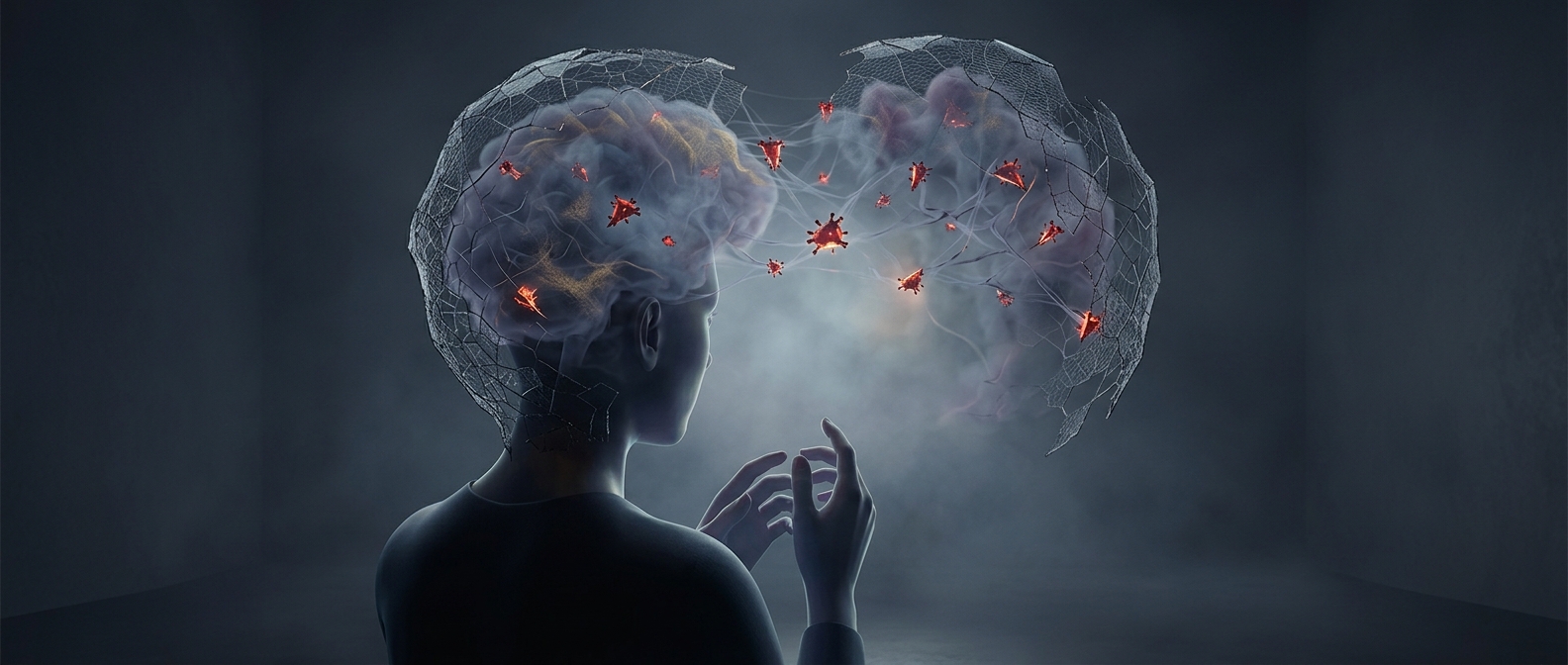
After entering the body, the virus can travel through nerves toward the brain. Early on, there may be no obvious sign that infection is developing. Once rabies symptoms begin, the disease is almost always fatal, which is why prevention must happen before symptoms appear.
Why Uncertain Contact Matters
Medical care after a possible exposure can include wound care and rabies post-exposure treatment, which is intended to stop the virus before it reaches the nervous system. Because a person may not reliably feel or see a bat bite, direct contact with a bat should be taken seriously even when no clear wound is visible. The practical consequence is stark: a barely noticeable mark is not a reliable measure of risk.