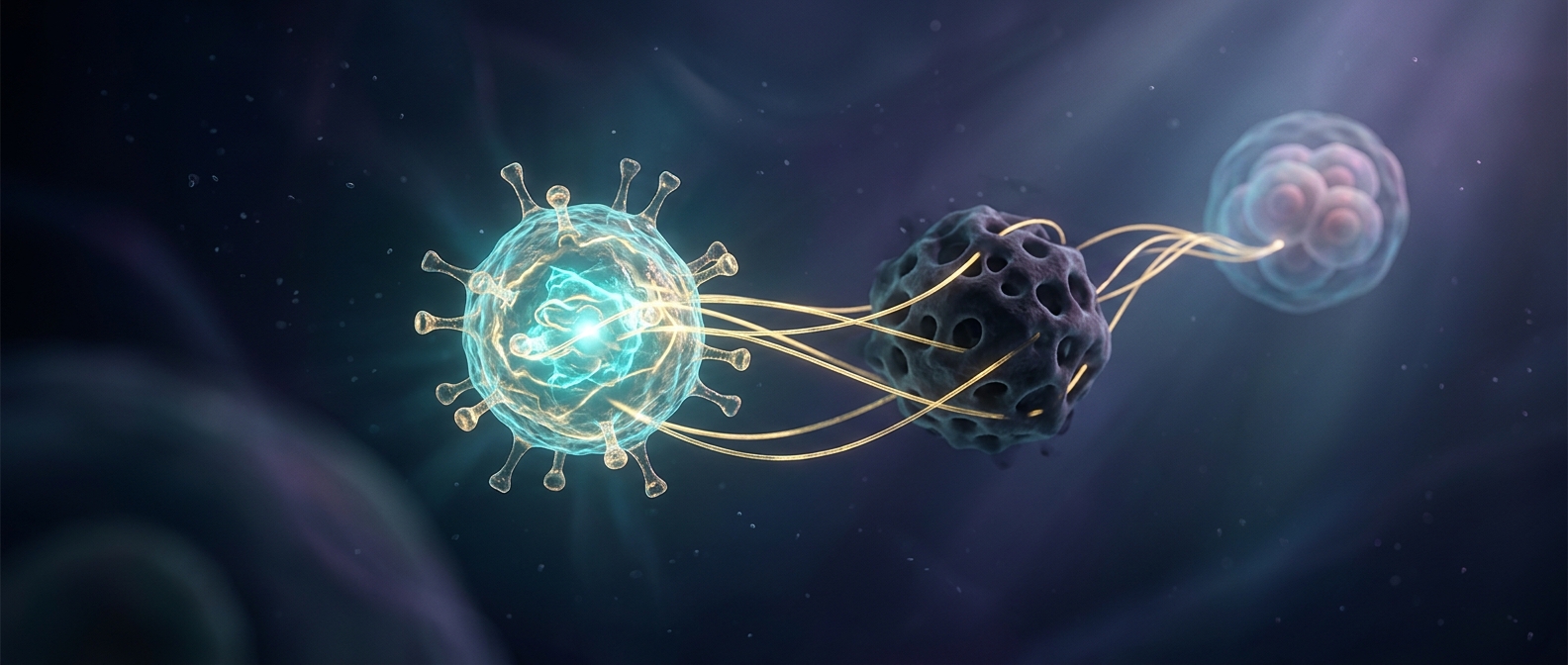
How a changed surface can buy a pathogen time
When a pathogen enters the body, some immune cells make antibodies: proteins that attach to particular parts of it. Other immune cells remember those features, so a later encounter can trigger a faster response. This memory is specific, but it is not a perfect lock-and-key system: antibodies can sometimes still bind a changed version, just less effectively.
Variation gives some versions an advantage
As viruses and other pathogens reproduce, small genetic changes can alter the proteins on their surface. Most changes do not help the pathogen, and some can harm it. But if a change makes an immune system’s existing antibodies attach less well, that version may have more opportunity to infect and reproduce in a population with prior immunity.
This is natural selection, not a pathogen making a deliberate plan. The immune system creates the pressure; random variation supplies different versions, and the ones that reproduce more successfully become more common. A surface change can also affect how easily the pathogen enters cells or spreads, so evading recognition is only one possible consequence—and not every change improves its chances overall.
Recognition is reduced, not erased
The immune system usually responds to more than one feature. Antibodies may recognize several parts of a pathogen, while other defenses can respond to infected cells. A changed surface protein can therefore weaken one line of recognition without making the whole pathogen undetectable. Memory cells may still respond, and the body can produce antibodies suited to the new version, though that takes time.
That delay helps explain why familiar pathogens can cause infections again: the immune system may recognize them, yet not quickly enough to prevent every infection. The practical consequence is that a pathogen’s surface can keep shifting the race between its spread and the body’s ability to catch up.