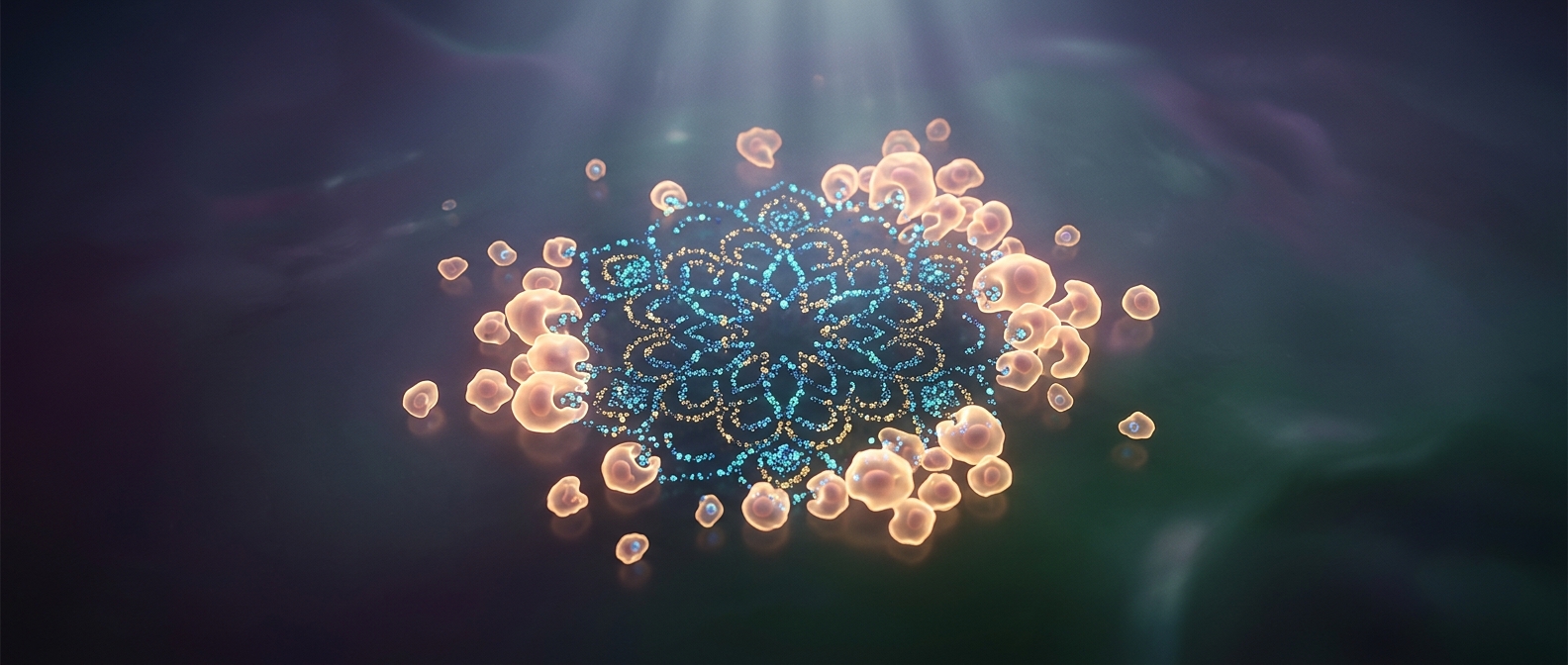
Why the navel makes a good microbial hideout
The belly button is a small recess in an otherwise exposed surface. Its folds can shelter skin microbes from friction and airflow, while warmth and traces of sweat, oil, and shed skin cells offer conditions in which some can persist. It is less like a sterile patch of skin than a tiny habitat with its own mix of residents.
A species count is not a cleanliness score
A survey’s average of 67 bacterial species per navel describes the variety detected across each sample—not the number of bacteria present or a measure of how clean someone is. Skin naturally carries microbes, and the organisms found in one person’s navel need not match those in another’s.
Finding species previously known from Japanese soil is intriguing because it expands where those microbes have been observed. It does not show that they came from soil, or that they are harmful. A microbe’s presence alone is not evidence of infection: many organisms can live on skin without causing illness.
The community matters more than the label
Microbes share a crowded surface with one another and with the body’s skin barrier, which helps limit irritation and infection. Everyday washing removes some material, but it does not turn skin into a permanently germ-free surface—and it need not. The navel’s sheltered shape simply makes it a reminder that even a small patch of ordinary skin can support a surprisingly varied community.