How Loneliness Can Affect the Immune System
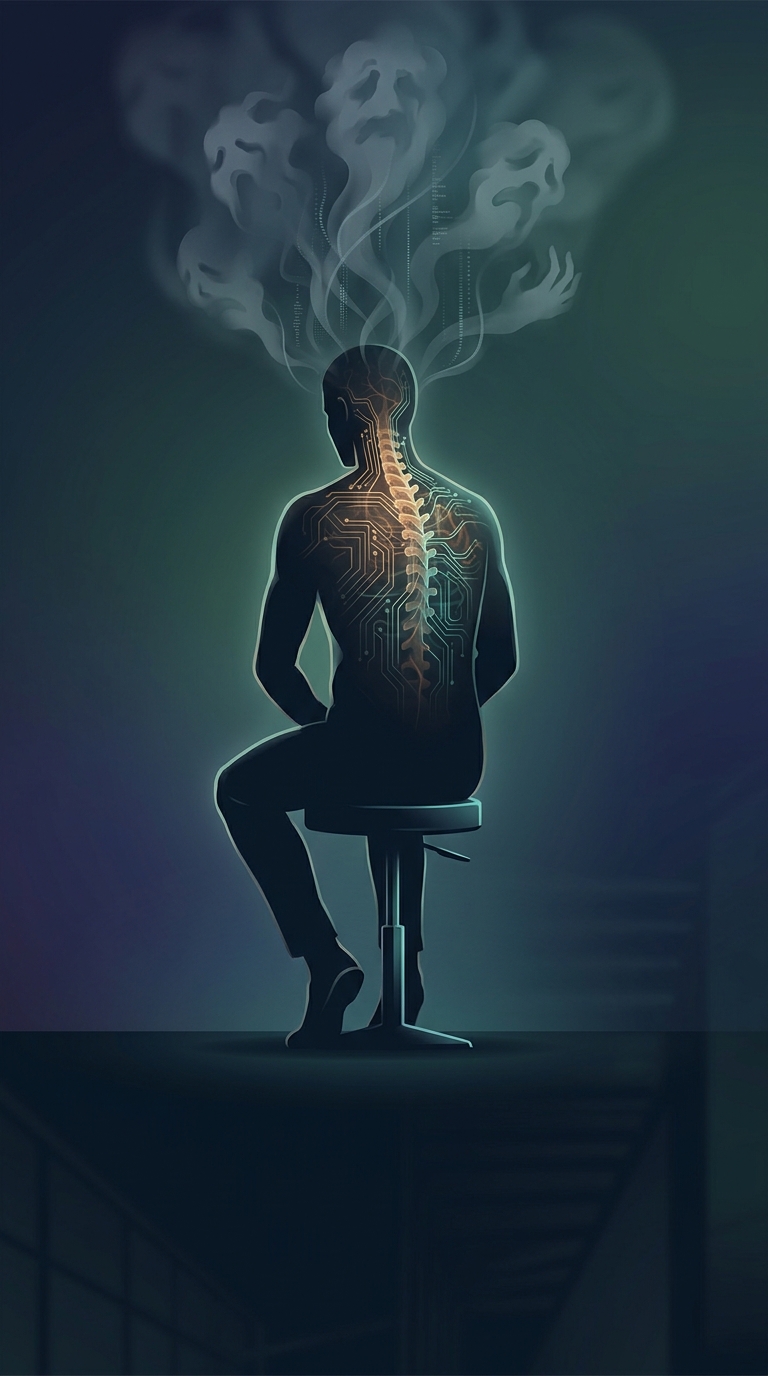
Loneliness is not simply being alone. It is the distress of feeling that the connection you want is missing, and when that feeling persists, the body may respond as if it is under ongoing stress.
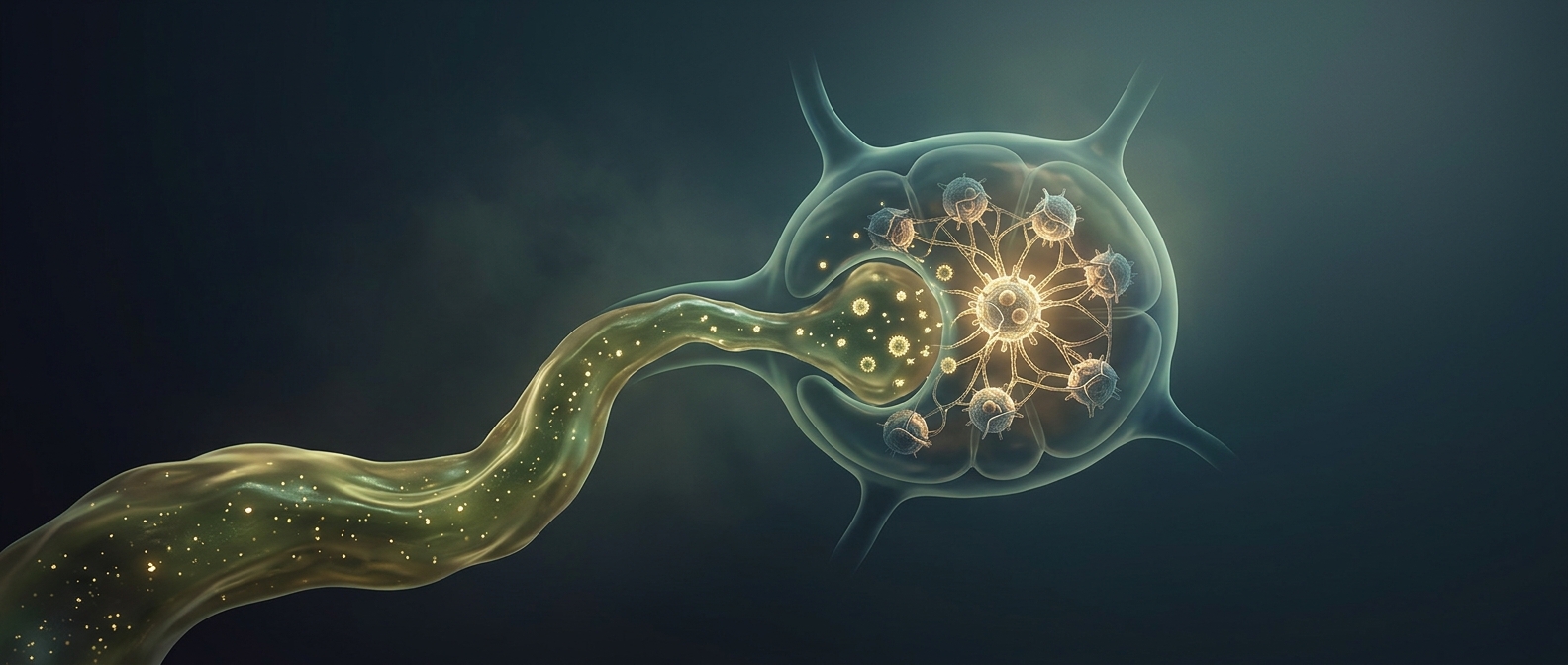
Stress systems help prepare the body for immediate demands. But when they remain activated, stress hormones and related signals can alter immune activity. Research has linked chronic loneliness and social isolation with changes such as greater inflammation and less well-coordinated immune responses. That does not mean loneliness switches immunity off; it can shift how the body regulates defense and repair.
Why the Smoking Comparison Needs Care
Loneliness is sometimes described as carrying a health burden comparable to smoking. The comparison is a way to convey that social disconnection can matter for health—not proof that loneliness and cigarette smoke damage the body through the same process or to the same degree in every person. Smoking exposes the body to toxic substances; loneliness is a social experience whose effects can unfold through stress, behavior, and access to support.
Those pathways can overlap. A lonely person may sleep poorly, move less, or have fewer people encouraging them to seek care. These patterns can compound the effects of prolonged stress, while supportive relationships may help people cope and maintain healthier routines.
The Practical Consequence
The immune system is not a meter that reads “lonely” or “connected.” The concern is cumulative: persistent disconnection can contribute to conditions that make health harder to maintain. That is why strengthening meaningful contact is more than a matter of mood—it can be one part of protecting overall well-being, alongside medical care and other health habits.