Finding the right immune cells takes time
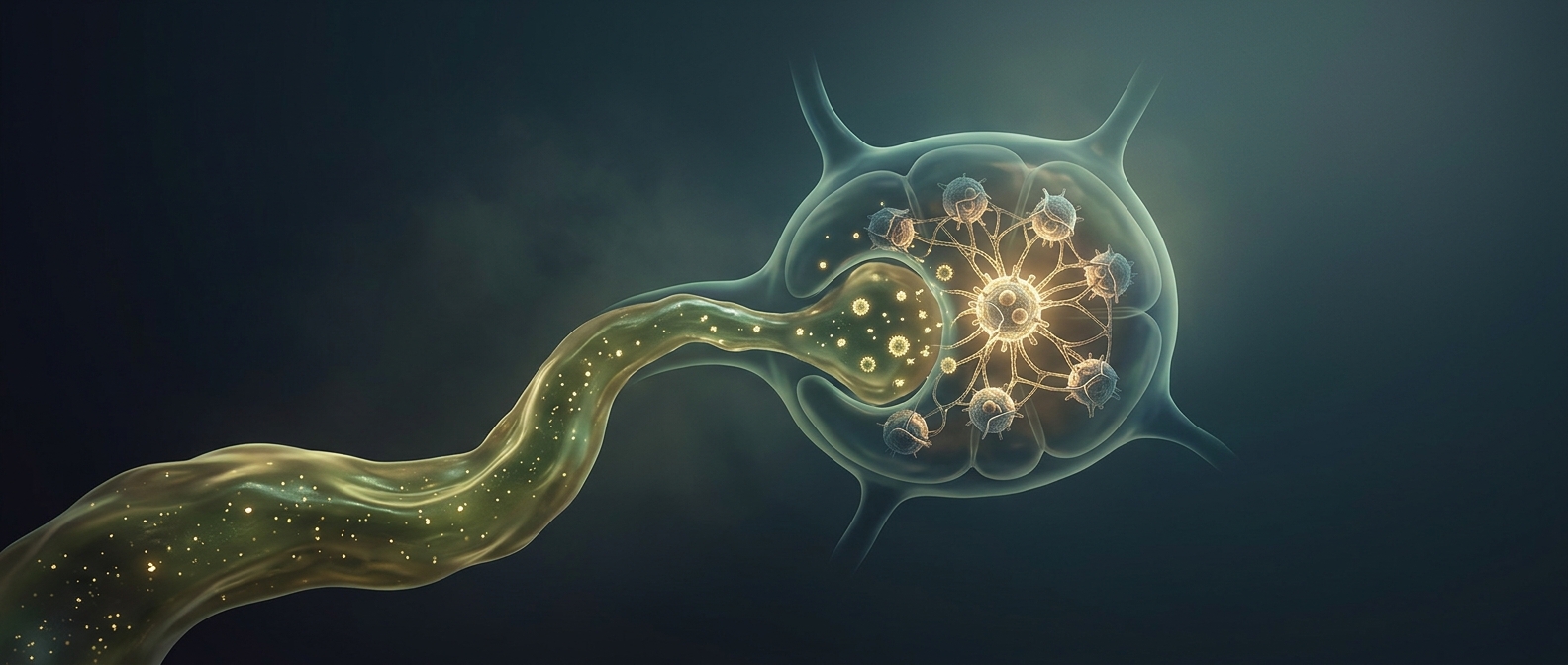
When a new pathogen enters the body, the adaptive immune system has to identify it before it can mount a targeted response. B cells and T cells each carry receptors—molecular structures that recognize particular features of an invader. But only a small number of cells may have receptors that fit a new threat.
Those matching cells must be activated. B cells can develop into antibody-producing cells; T cells can become cells that help coordinate defenses or destroy infected cells. The process depends on signals from other immune cells and on the pathogen involved, so the timeline is not identical for every infection.
One match becomes many
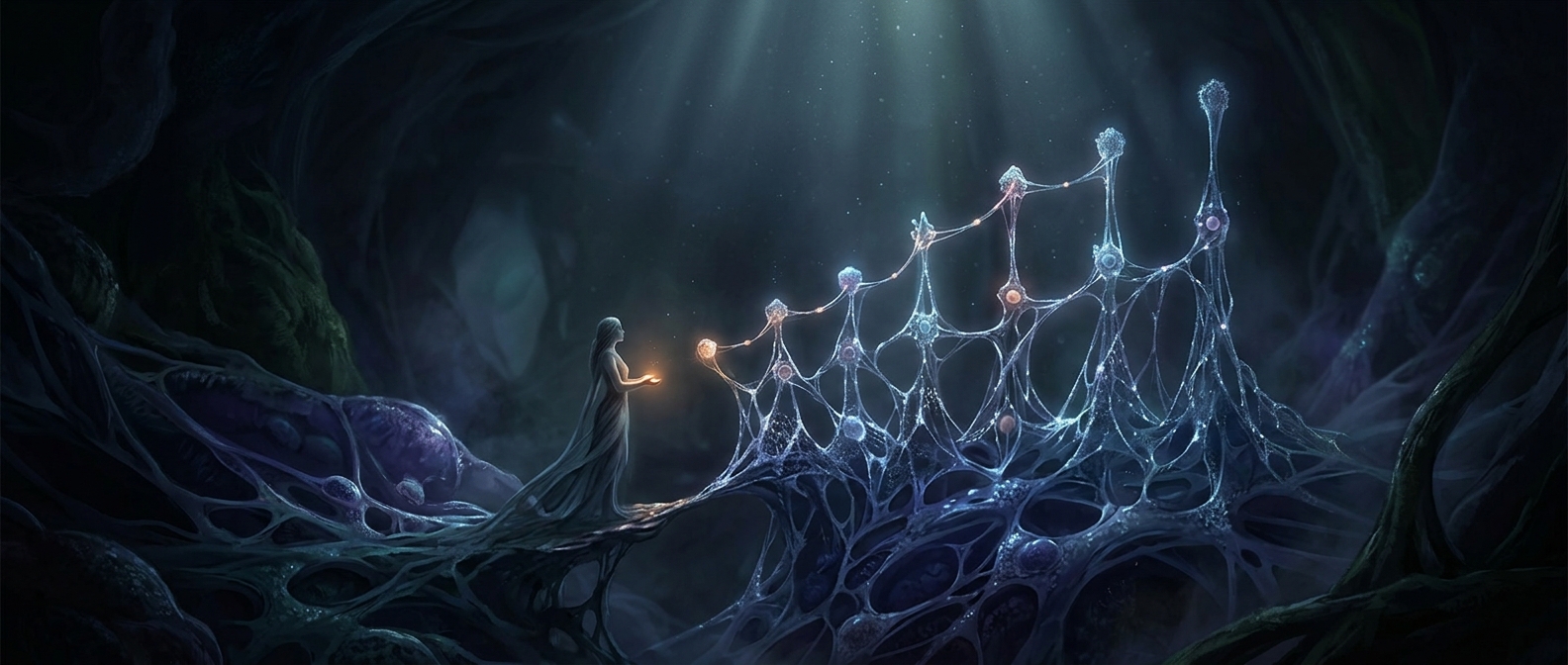
A cell that recognizes the threat does not usually solve the problem alone. It begins dividing, making a larger group of cells with the same ability to recognize that target. This multiplication, called clonal expansion, supplies enough specialized cells to make a meaningful difference.
While that response is ramping up, faster, less targeted defenses—including inflammation and other parts of innate immunity—are already at work. Their activity can contribute to symptoms, but symptoms also depend on the infection itself. The adaptive response joins this ongoing contest rather than switching on at a single moment.
Why the first response is different
After an infection, some activated cells remain as memory cells. If the same pathogen appears again, these cells can recognize it more readily and help the body respond faster. That is one reason a first encounter can take longer to control than a later one—and why the immune system’s specific defenses are built through a sequence of recognition, multiplication, and specialization, not kept as a fully assembled force for every possible invader.