Why an old like feels like a sudden reveal
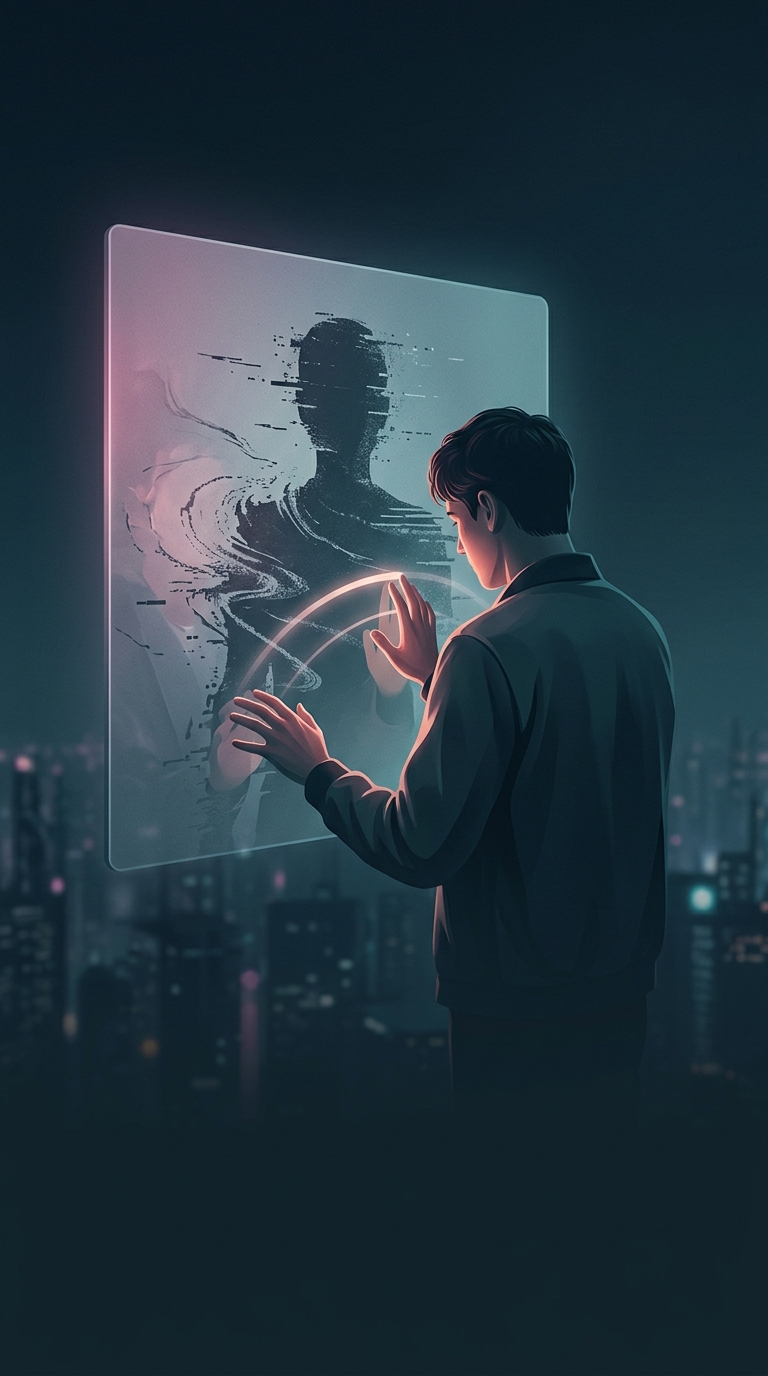
Scrolling through someone’s older posts is usually private: you can look without leaving an obvious trace. A like changes that. It creates a notification, turning a quiet search into a visible action—and the age of the photo suggests the search went well beyond the latest posts.
That mismatch is what makes the moment sting. You meant to gather information without announcing your interest; the app briefly broadcasts evidence of the gathering. The embarrassment comes not just from being noticed, but from losing control over how your attention is interpreted.
Early dating runs on impression management
At the start of a crush, people often try to signal interest while avoiding the appearance of being too invested. This is a kind of impression management: choosing what to reveal so another person forms a desired impression. An accidental like can feel like it has revealed more than intended—curiosity, effort, or eagerness—before you were ready to show it.
The other person, however, cannot know exactly why it happened. They might read it as a deliberate signal, a clumsy mistake, or simply a sign that you found the post. The awkwardness is driven by uncertainty as much as exposure: you know what you were doing, but you cannot control the story they attach to the notification.
A tiny action, a large imagined audience
Social apps make ordinary browsing feel legible because small actions can leave durable, person-specific traces. That makes an accidental tap feel more consequential than the tap itself. In practice, it reveals one clear fact—you saw and liked that post—not the full depth or motive of your scrolling.
The notification may last only a moment, but your mind can turn it into a whole confession. That gap between the small digital signal and the much larger meaning you fear it carries is why a single like can produce such a full-body jolt.