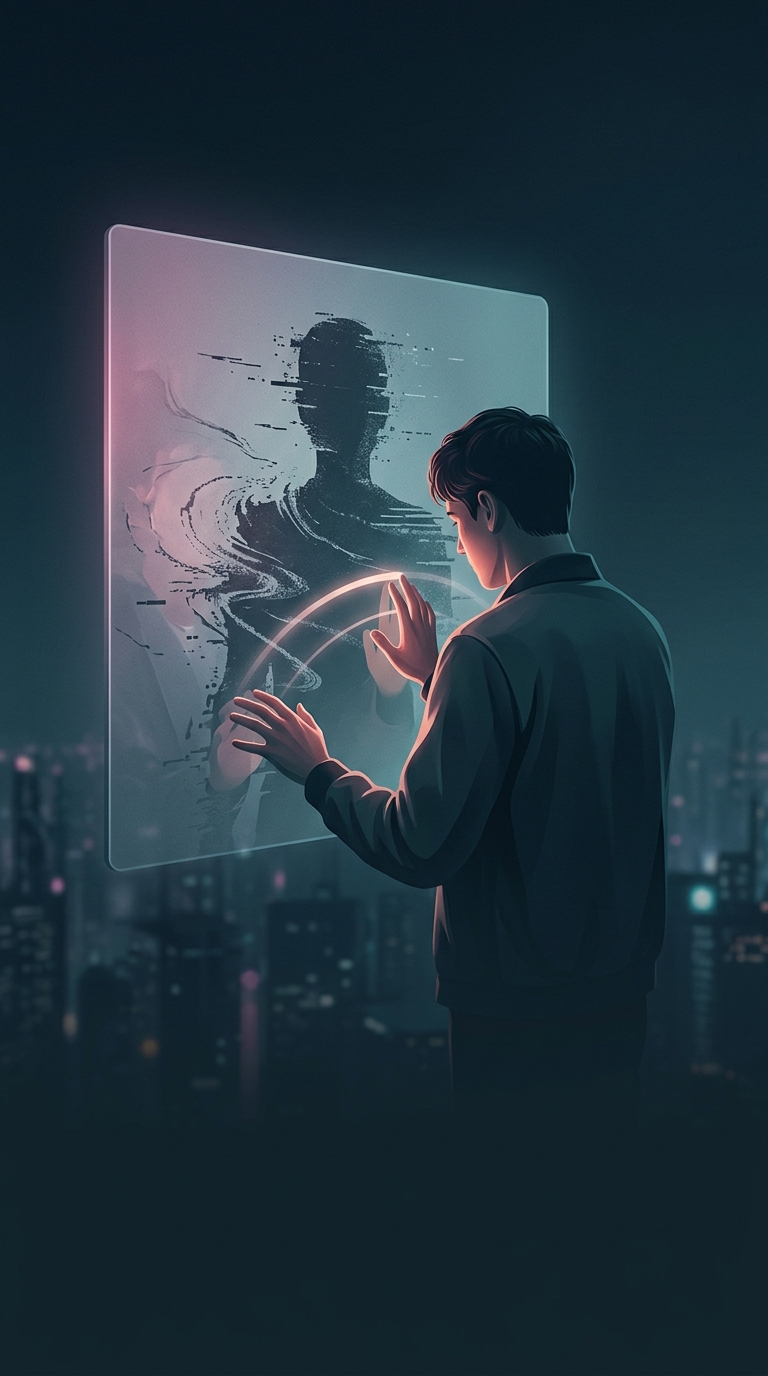
The swapped face can pass unnoticed
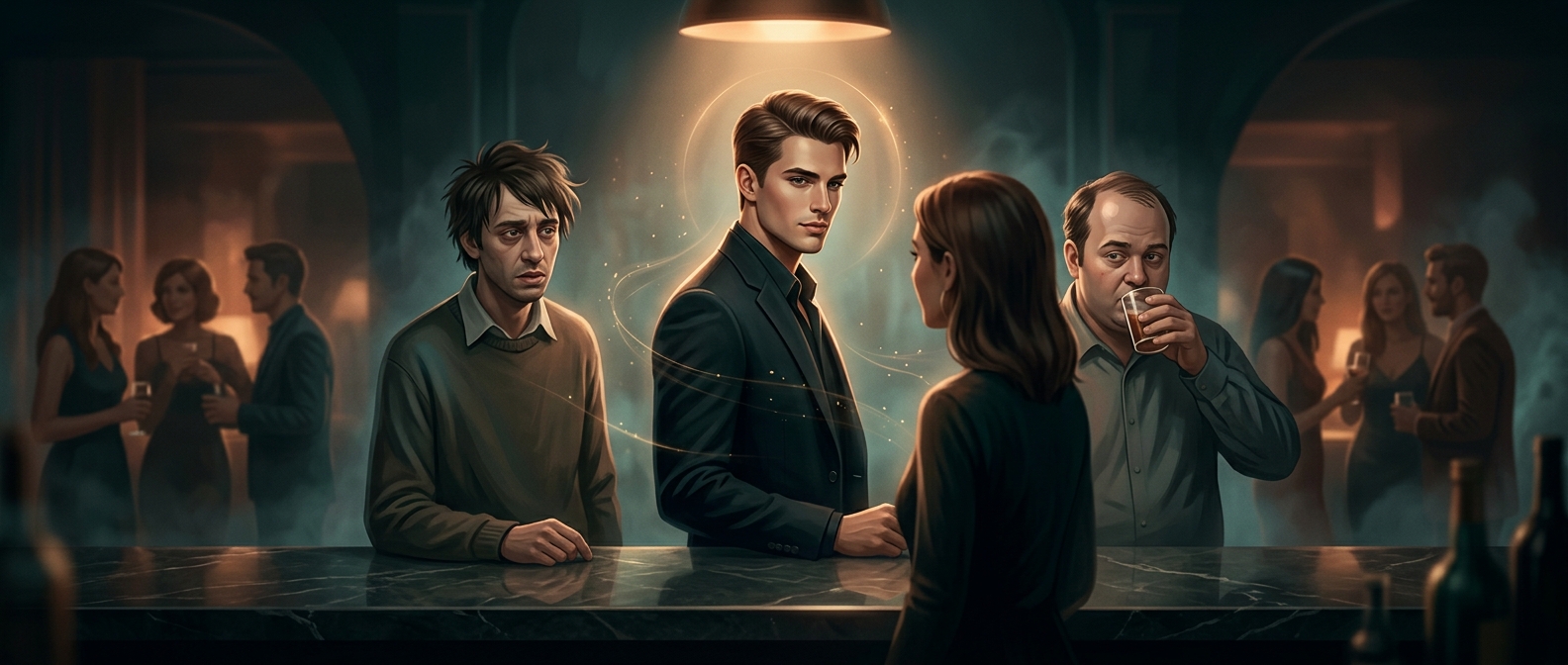
In studies of dating-style choices, researchers have sometimes shown people two faces, asked them to choose one, and then secretly presented the unchosen face as if it were the person’s selection. Many participants do not immediately catch the switch. Asked why they chose that face, some offer an explanation anyway—pointing to a feature or impression they believe drew them to it.
This is an example of choice blindness: failing to notice that the result of a choice has been changed, then responding as though the altered result were the one originally selected.
Why people can explain a choice they did not make
A swipe is quick, and people do not necessarily store a detailed record of every face they pass or every feature that tipped a decision. When asked to account for a choice, they may build a plausible explanation from what is now in front of them: perhaps the person looks warm, confident, or attractive. The explanation can feel sincere because it fits the visible face, even though it does not reveal the reason for the original swipe.
That gap matters because people often treat their own explanations as direct reports of what guided them. In this setup, an explanation may instead be a reconstruction—an account assembled after the decision from the information currently available.
What the result does—and doesn’t—show
The finding does not mean that attraction is fake or that people never know what they like. It shows that, in a fast, low-stakes choice, people can be less aware of the details behind a decision than they assume. Whether someone notices a swap can depend on how different the faces are and how closely they remember the original choice.
The unsettling implication is modest but useful: asking someone why they swiped right may produce a convincing story, not necessarily a reliable record of what caused the swipe.