Why a little excitement can feel like chemistry
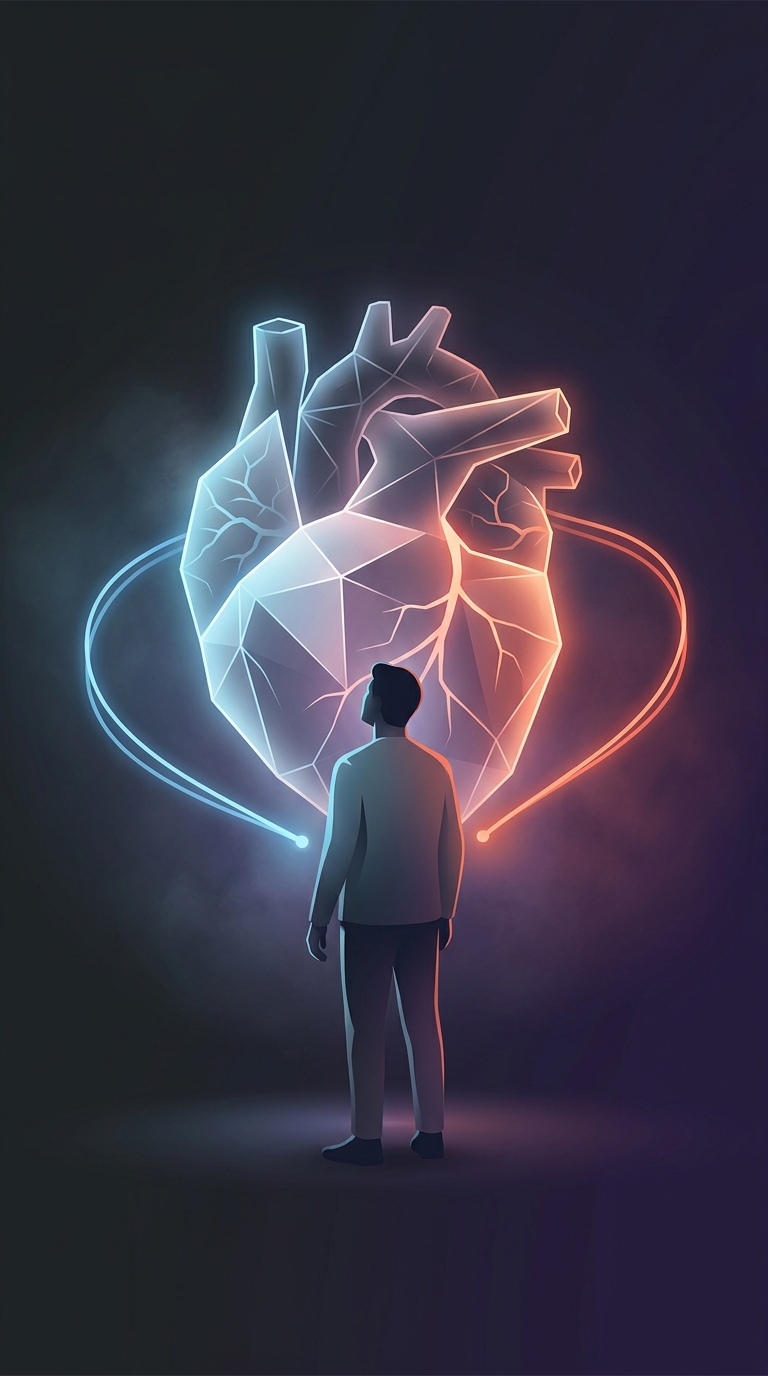
A lively activity—a climbing wall, a fast-paced game, or a ride that gets the heart racing—can make a date feel more charged than a quiet conversation. The reason is that the body’s signs of excitement overlap with its signs of attraction: a quicker pulse, heightened alertness, and a rush of energy.
The brain has to interpret those signals. When they arise during a fun, shared moment, it may partly associate the feeling with the person beside you. Psychologists call this misattribution of arousal: the body’s activation is real, but its cause can be interpreted differently than expected.
It can add a spark, not manufacture attraction
The effect is not a switch that makes someone fall in love. A racing heart can just as easily register as nerves, discomfort, or fear, especially if the activity feels unsafe or the company feels wrong. Excitement may make an existing sense of connection feel more vivid; it cannot guarantee that connection.
That is why a playful, manageable challenge is a better bet than an ordeal. Sharing a new experience gives both people something to react to and talk about, while keeping the physical rush enjoyable. The memorable part is not simply the elevated pulse—it is having someone to share the moment with.