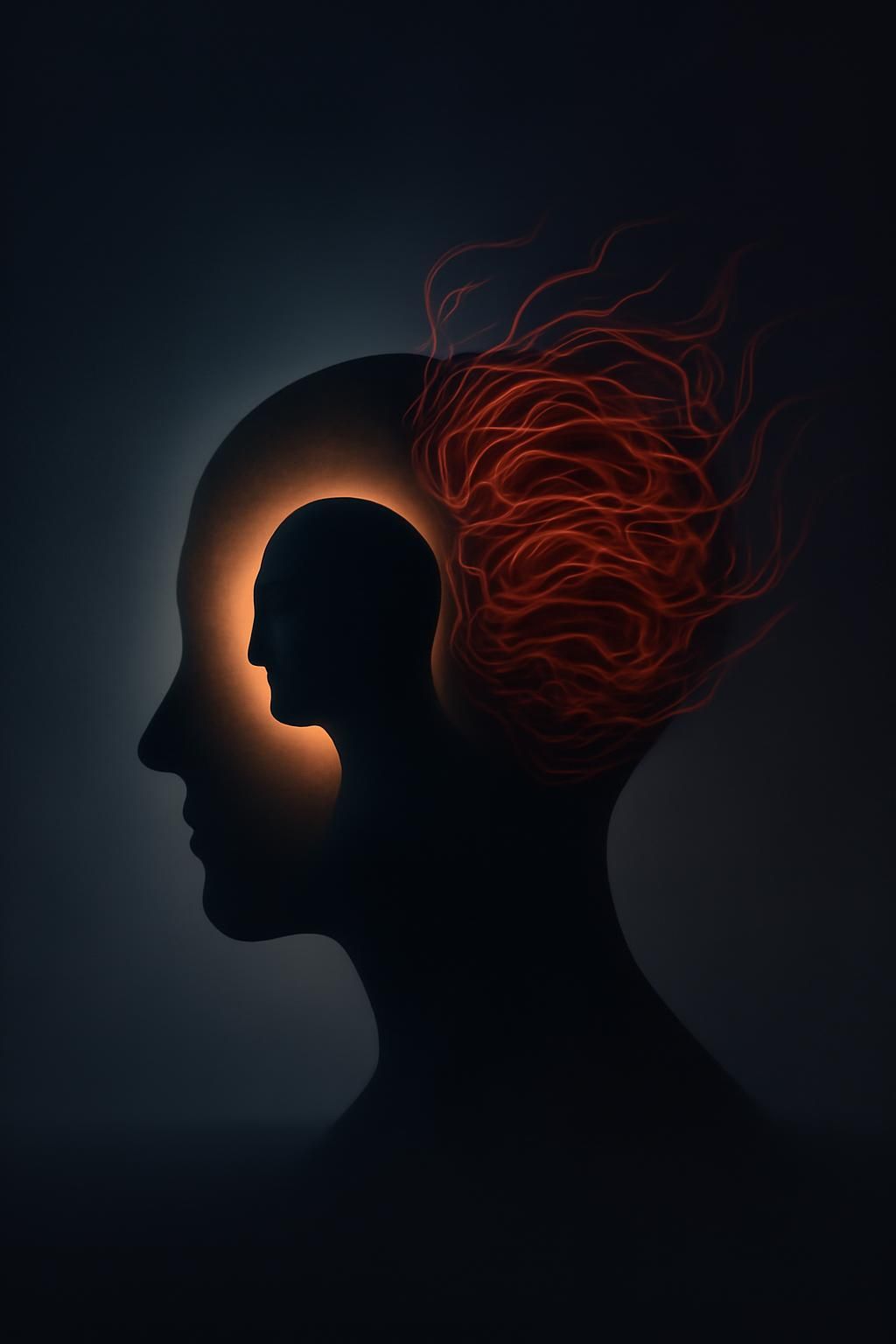
A “bad vibe” can be a fast pattern match
When someone feels off before you can explain why, your mind may have noticed small cues without bringing them into conscious focus: a mismatch between words and expression, a shift in tone, or a way of ignoring a boundary. The brain is constantly comparing what it sees with patterns learned from earlier encounters. That rapid assessment can surface as unease before you can name the details.
The feeling is useful as an alert, not a verdict. It can prompt you to slow down and pay attention rather than forcing yourself to decide immediately that the person is dangerous—or that you are imagining things.
Let the feeling guide your next step
You do not need a courtroom-quality explanation to choose a lower-pressure response. Keep the conversation in a public place, take time before sharing personal information, or leave if you want to. Notice what specifically triggered the discomfort, and whether the person responds respectfully when you set a small boundary.
That response gives you more information: someone who accepts “no” is behaving differently from someone who pressures, mocks, or punishes you for it. You can act cautiously without accusing the person or proving what they intended.
Intuition has blind spots
A sudden reaction can also come from stress, unfamiliarity, or assumptions shaped by past experience. So it is worth distinguishing “I feel uneasy” from “I know this person is unsafe.” Treating the feeling as a reason to protect your options—rather than as proof of someone’s character—lets you take it seriously while staying fair.
The practical point is simple: you are allowed to create distance before you can explain why. A clear explanation may come later; your boundaries do not have to wait for one.