Why a Chalkboard Scrape Feels Like an Alarm
The sound is often compared with a primate’s distress call: a sharp, harsh cry that warns of danger. The resemblance is not a perfect acoustic match, but both can concentrate energy in a range of frequencies to which human hearing is especially sensitive. That helps explain why a brief scrape can feel far more urgent than its source—a piece of chalk or a fingernail—would seem to warrant.
The Ear Turns Up the Discomfort
Human hearing is particularly responsive to sounds in the middle-to-high frequencies. A scrape across a chalkboard contains strong, shifting tones in that region. As the nail or chalk catches and slips, the sound changes rapidly, producing irregular squeals rather than a steady note. The ear registers those changes as difficult to ignore, much as it does a shriek or other warning-like sound.
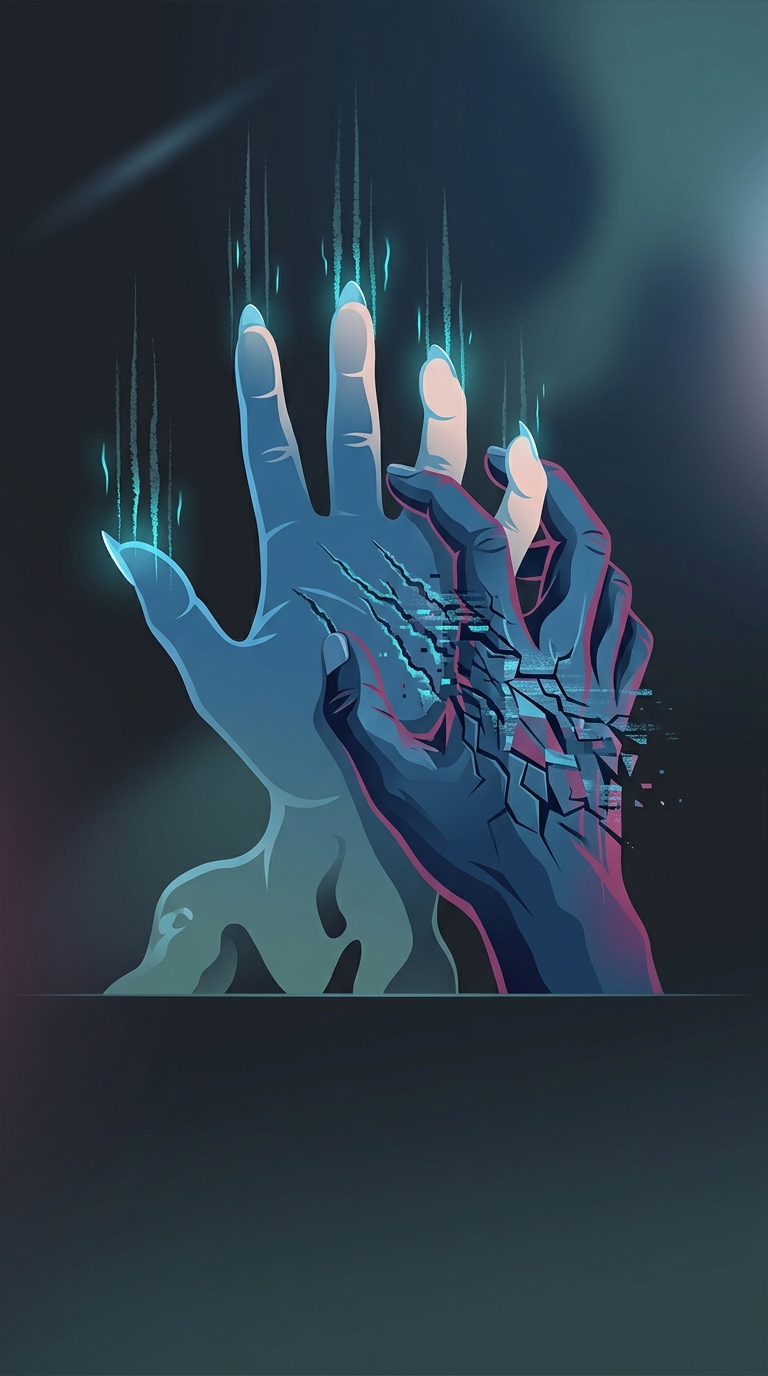
That signal can trigger an immediate bodily reaction: tension, a flinch, or the prickling sensation people describe as their skin crawling. It is not that the sound physically harms the skin. The brain treats an abrasive, alarm-like noise as something worth reacting to before it has time to assess the harmless source.
A Useful Resemblance, Not a Secret Message
The evolutionary idea is that sensitivity to certain harsh calls may have helped primates notice threats, and that chalkboard scraping happens to hit some of the same auditory buttons. The connection is best understood as a resemblance, not proof that the sound reproduces a particular animal call or that listeners consciously recognize one.
That mismatch is part of the effect: the ears receive a signal that feels urgent, while the eyes show an ordinary classroom object. For a moment, the body reacts to the sound’s warning-like qualities before the mind catches up.