Earwax and underarm odor share a genetic switch
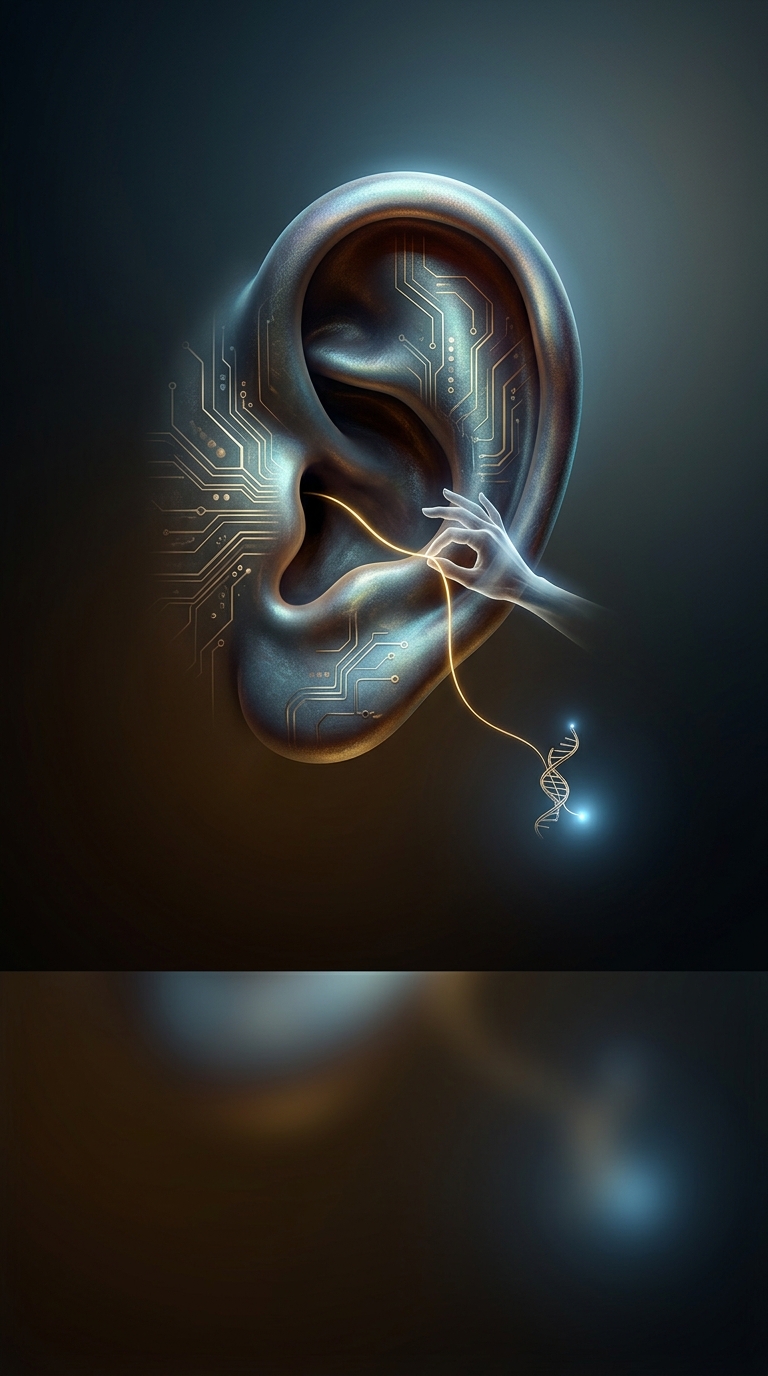
The body trait linked to earwax type is underarm odor. Both traits are influenced by the ABCC11 gene, which helps control what certain glands release. One version of the gene tends to produce wet, sticky earwax; another tends to produce dry, flaky earwax.
The connection is more than a coincidence: glands in the ear canal and the armpit both make secretions affected by ABCC11. In the armpit, those secretions include substances that skin bacteria can break down into odor-causing compounds. People with the variant associated with dry earwax generally release fewer of those odor precursors, so they tend to have less underarm odor.
A tendency, not a verdict
The gene affects the raw materials available to bacteria; it does not dictate exactly how someone will smell. Other genes, hormones, skin bacteria, and everyday conditions also matter. And earwax type is not a measure of cleanliness: wet and dry wax are both normal forms of the material that helps protect the ear canal.
So a small difference in earwax can offer a clue about how another set of glands works—but it cannot, by itself, tell you exactly how much a person will sweat or smell.