A handshake is a brief transfer, not a clean slate
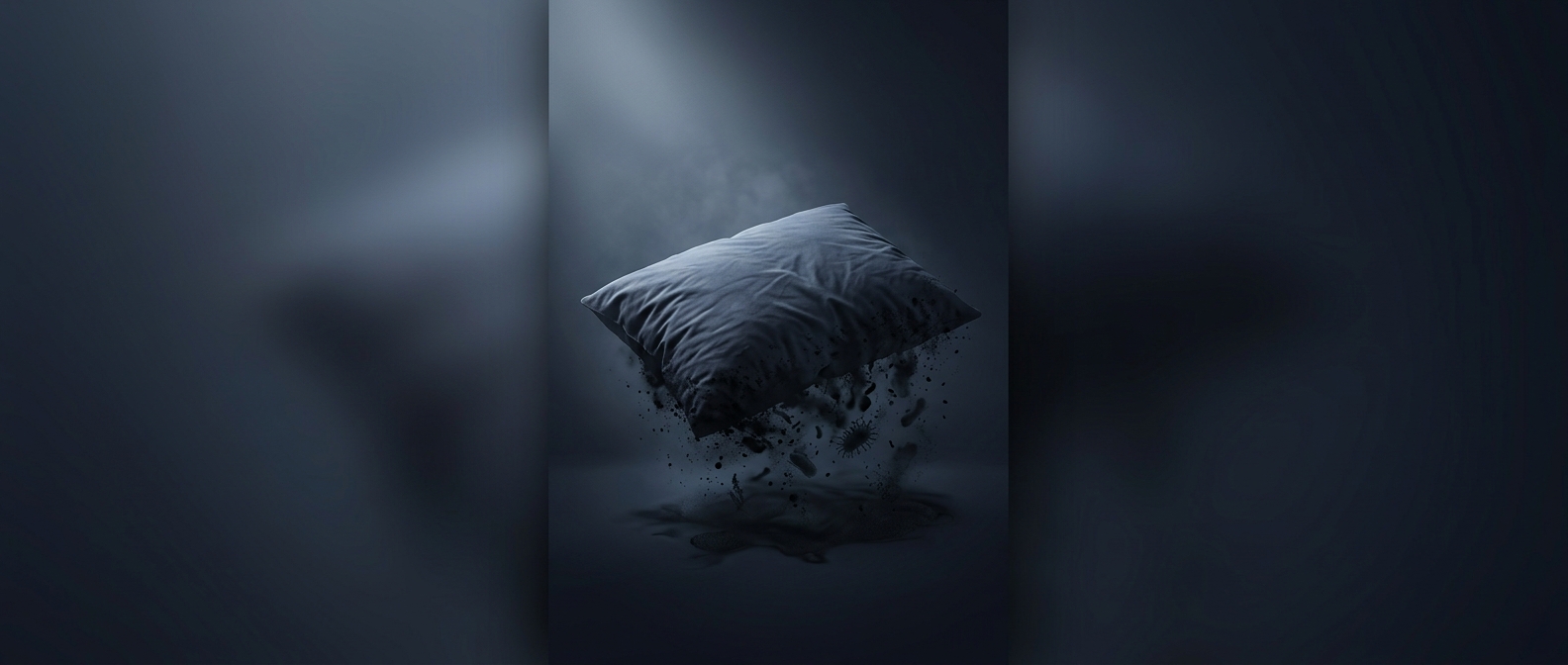
Skin constantly sheds tiny flakes and carries communities of bacteria and other microbes. When two hands meet, pressure and friction loosen some material from each surface and deposit it on the other. How much moves depends on factors such as contact time, skin moisture, and what was already on the hands; the exchange is real, but it is not identical in every greeting.
The organisms transferred are not automatically dangerous. Many microbes live harmlessly on skin, and a deposited microbe may fail to survive or establish itself on its new host. The health concern is the smaller possibility that an infectious organism makes the same journey—especially when one person is contagious and the other later touches a vulnerable entry point, such as the eyes, nose, mouth, or food.
The next touch completes the route
A handshake does not transmit infection by itself. It can put microbes onto a hand, where they may remain available for another transfer. Touching a shared object can pass some along; touching the face or handling food can carry them closer to places where infection is more likely. This is why hand contact matters most as part of a chain, rather than as a single dramatic event.
The route is also interruptible. Washing with soap and water physically removes microbes and grime, while hand sanitizer can reduce many germs when hands are not visibly dirty. Cleaning hands before eating—and after situations likely to leave them contaminated—targets the point where a social greeting could become a health risk. The memorable detail is that the handshake ends at the wrist, but whatever it leaves on the hand can travel on.