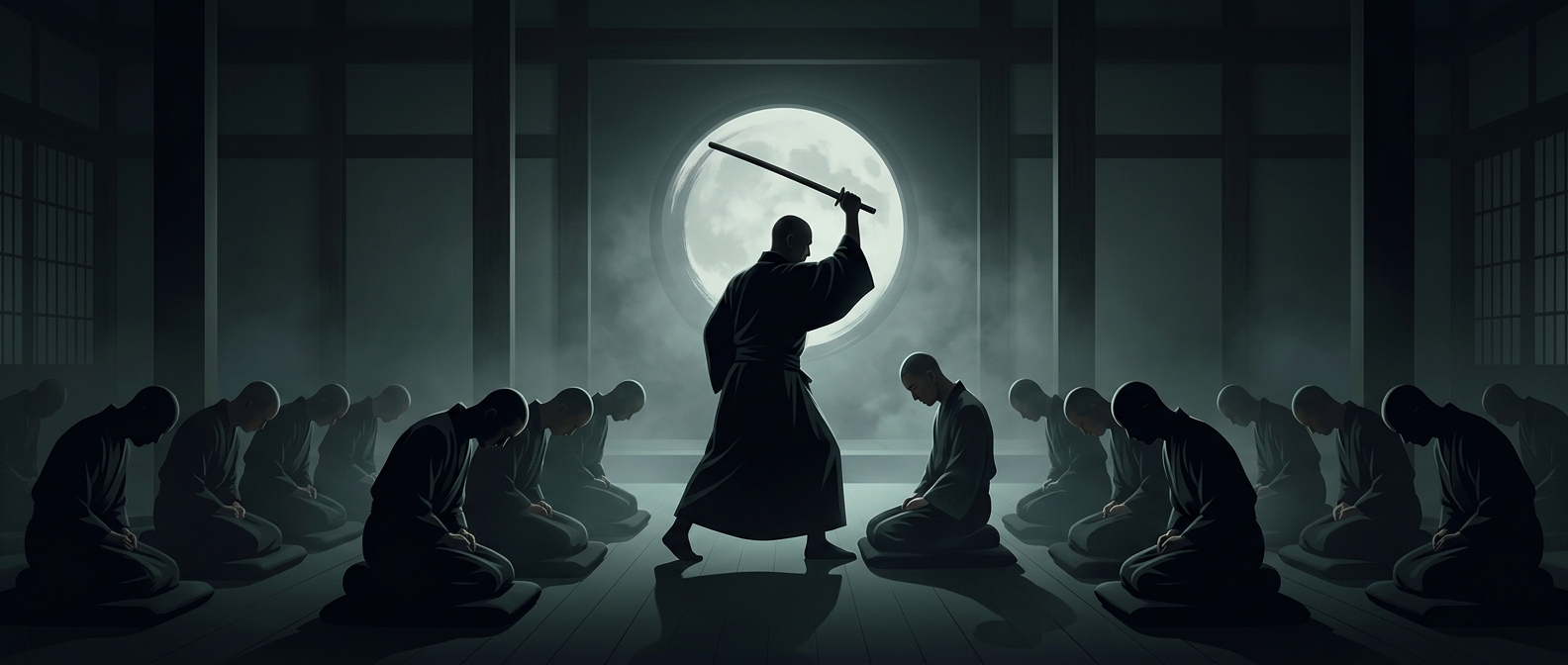
How an Early Alarm Can Tighten Group Control
A pre-dawn wake-up can be more than a demanding ritual. In a tightly organized spiritual community, a schedule of early prayers, work, or meetings may leave members with too little time to sleep—especially when late-night duties or activities follow. The pressure comes not from the hour alone, but from a routine that makes rest difficult to protect.
Fatigue Changes the Day’s Decisions
Sleep loss makes it harder to concentrate, manage emotions, and weigh choices carefully. A tired person may have less energy to question instructions, disagree in a meeting, or consider alternatives. If the same community also sets the day’s schedule and expectations, members can find that their time and attention are continually directed outward.
That does not mean every early religious practice is coercive. Dawn observances can be meaningful and chosen freely. The concern arises when exhaustion is persistent, rest is treated as disobedience, or people are penalized for opting out. A schedule can become a tool of discipline when members cannot freely choose when to sleep or whether to participate.
The Cumulative Effect
One early morning may simply be tiring. Repeated short nights, however, can make it harder to recover and to evaluate the routine itself. The practical warning sign is not a spiritual practice’s timing in isolation, but whether people retain enough rest—and enough freedom—to question the demands placed on them.