Why the body keeps asking to move
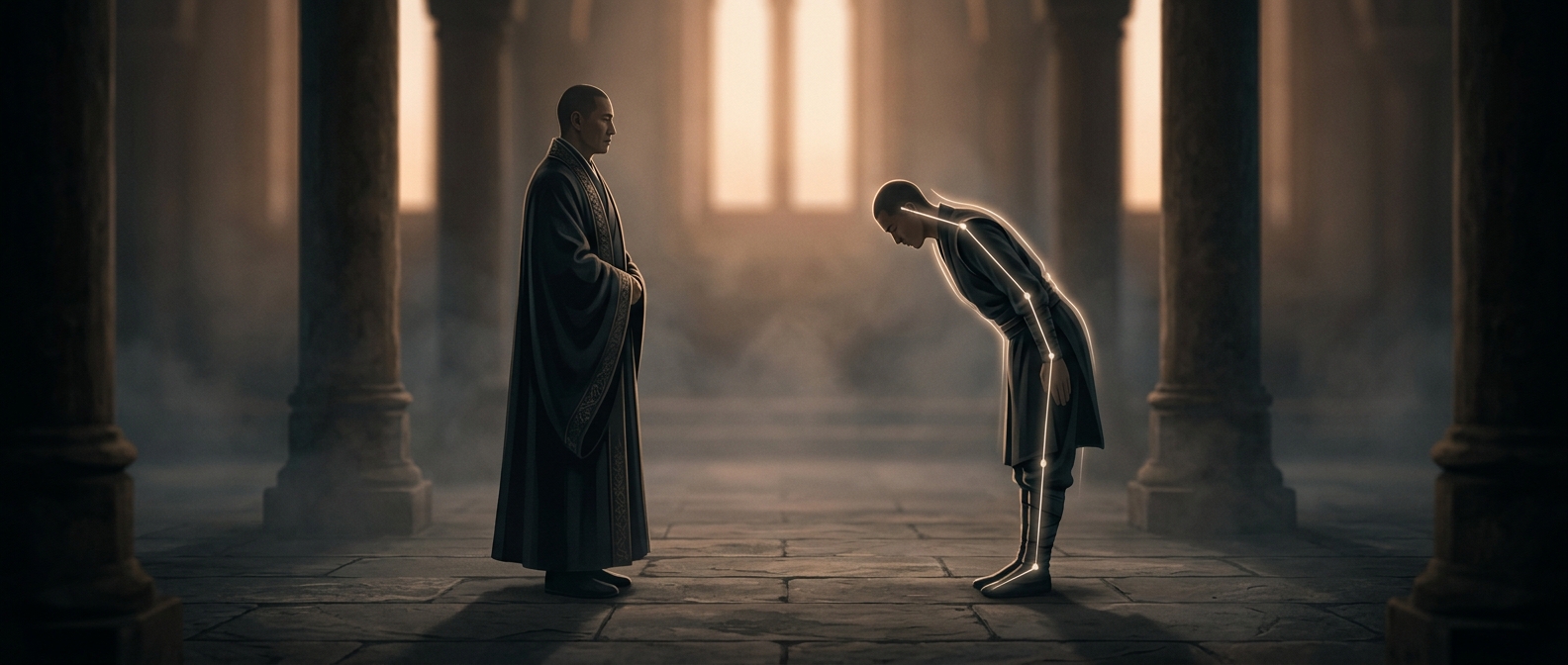
A seated posture is not truly effortless just because it looks still. Small muscles continually make corrections to keep the head and torso balanced, while pressure builds where the body meets the chair or floor. Shifting an ankle, rolling a shoulder, or leaning slightly changes which tissues carry the load. Those adjustments are usually so familiar that they happen before we notice them.
When someone deliberately resists them, the sensations become harder to ignore. A patch of pressure may turn into an itch or ache; a muscle may feel tired; the urge to move can grow simply because attention keeps returning to it. Stillness becomes an endurance test not because every sensation signals harm, but because ordinary relief is being withheld.
Stillness is a practice, not a freeze
In contemplative settings, remaining seated can be used to observe sensations and impulses without immediately acting on them. The point is not to prove that the body can be made perfectly motionless: breathing, pulse, and tiny balance corrections continue even when a person is trying to stay still. Rather, the exercise makes the moment between feeling an urge and responding to it more noticeable.
That distinction matters. A deliberate pause can reveal how often movement is a response to minor discomfort or restlessness, but prolonged or painful immobility is not the goal. The striking part is how much effort can hide inside an apparently simple pose: staying still means repeatedly choosing not to make the little adjustments that normally keep the body comfortable.