When a Greeting Becomes a Ritual
A greeting normally allows small variations: a slight bow, a shifted stance, a hand held at a different height. A rule requiring rigid posture removes those choices. The exchange becomes a brief, repeatable performance in which the body—not just the words—shows that the participant knows the expected form.
How the Rule Creates Uniformity
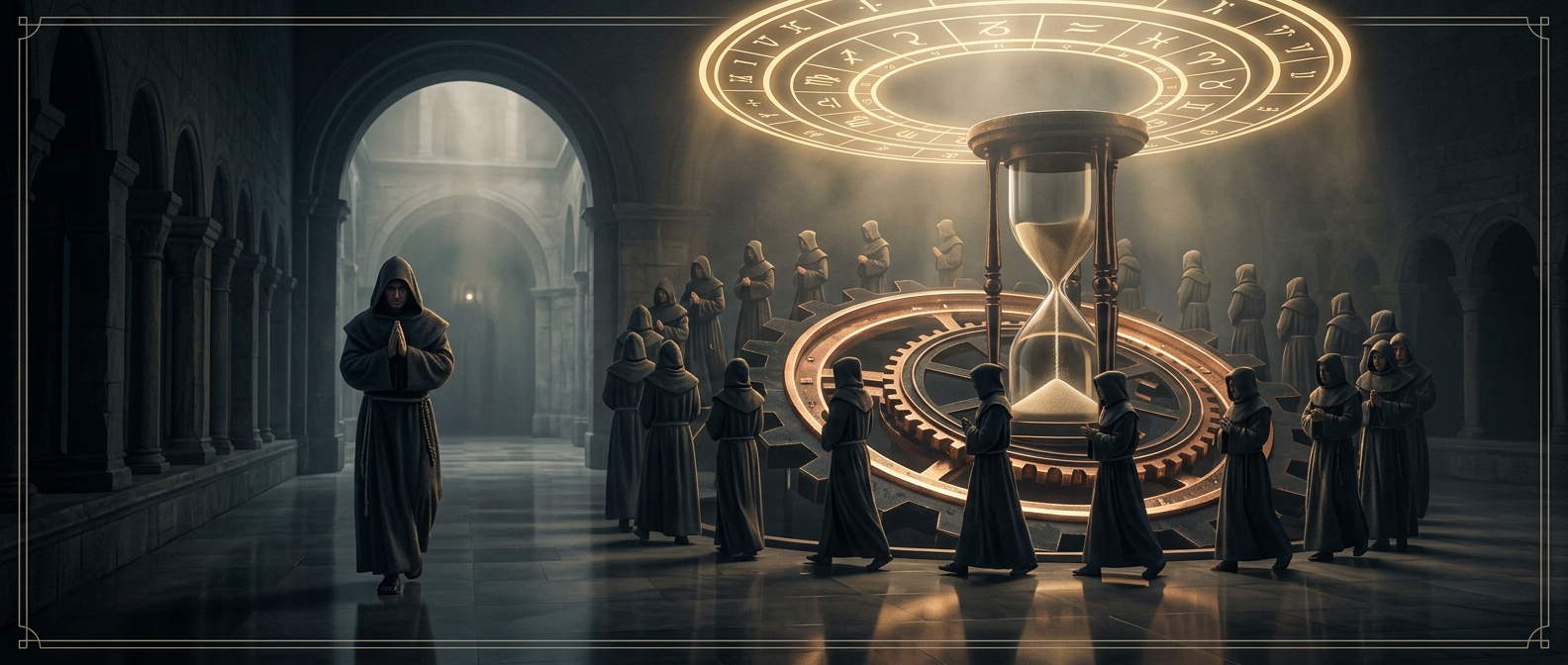
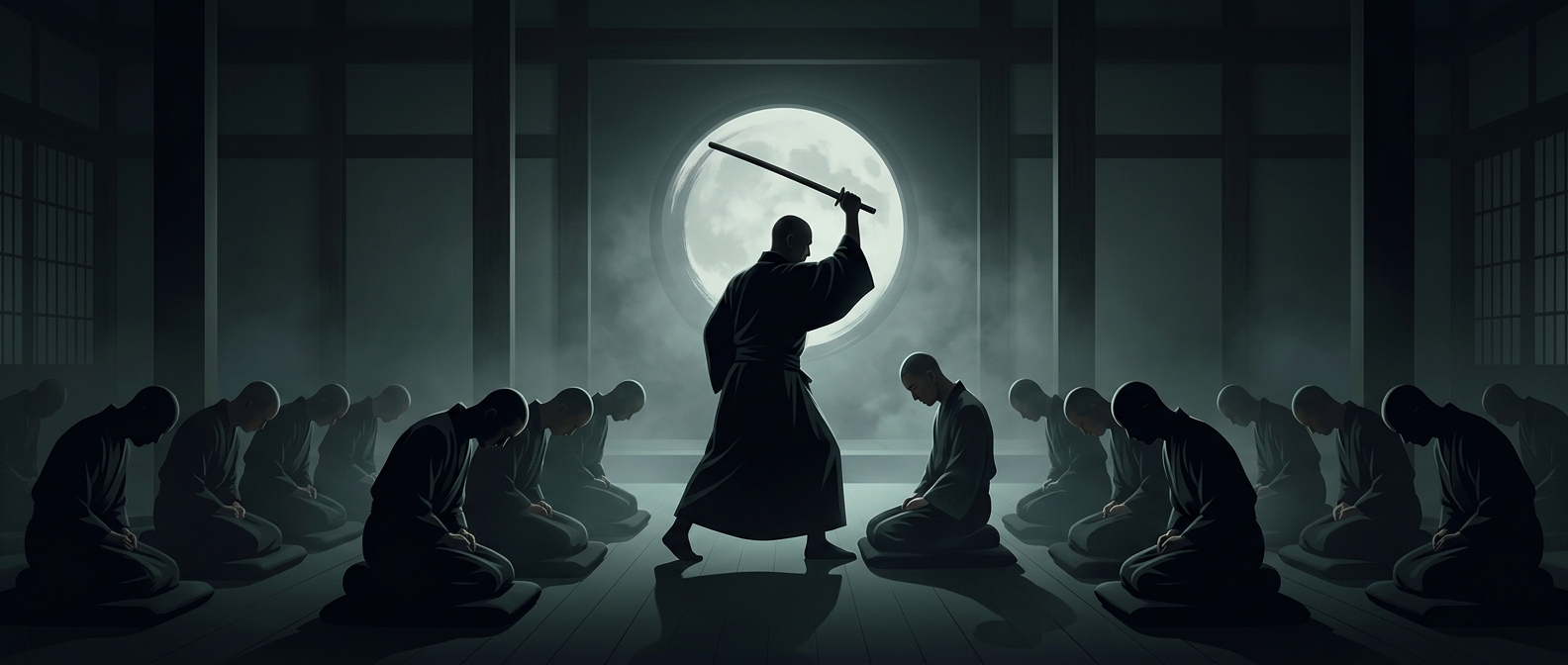
Standing straight and aligning the body are visible actions that others can notice immediately. When everyone is expected to perform them in the same way, the greeting makes individual differences less prominent and shared discipline more visible. Even a short encounter can reinforce the group’s standards because each person both follows the rule and witnesses others following it.
The posture may also make the moment feel set apart from ordinary conversation. A controlled stance can signal attention, respect, or solemnity, depending on the tradition and the people taking part. Its meaning comes from the community’s practice; the posture itself does not prove a supernatural effect.
The Cost of Making It Exact
Precision gives the ritual clarity, but it also narrows the room for personal expression. A greeting that might otherwise feel spontaneous becomes a test of whether someone can hold the accepted form. That is the tradeoff: the same rigidity that makes participants look united can make a small social gesture feel demanding.