From bouncing balls to a digital draw
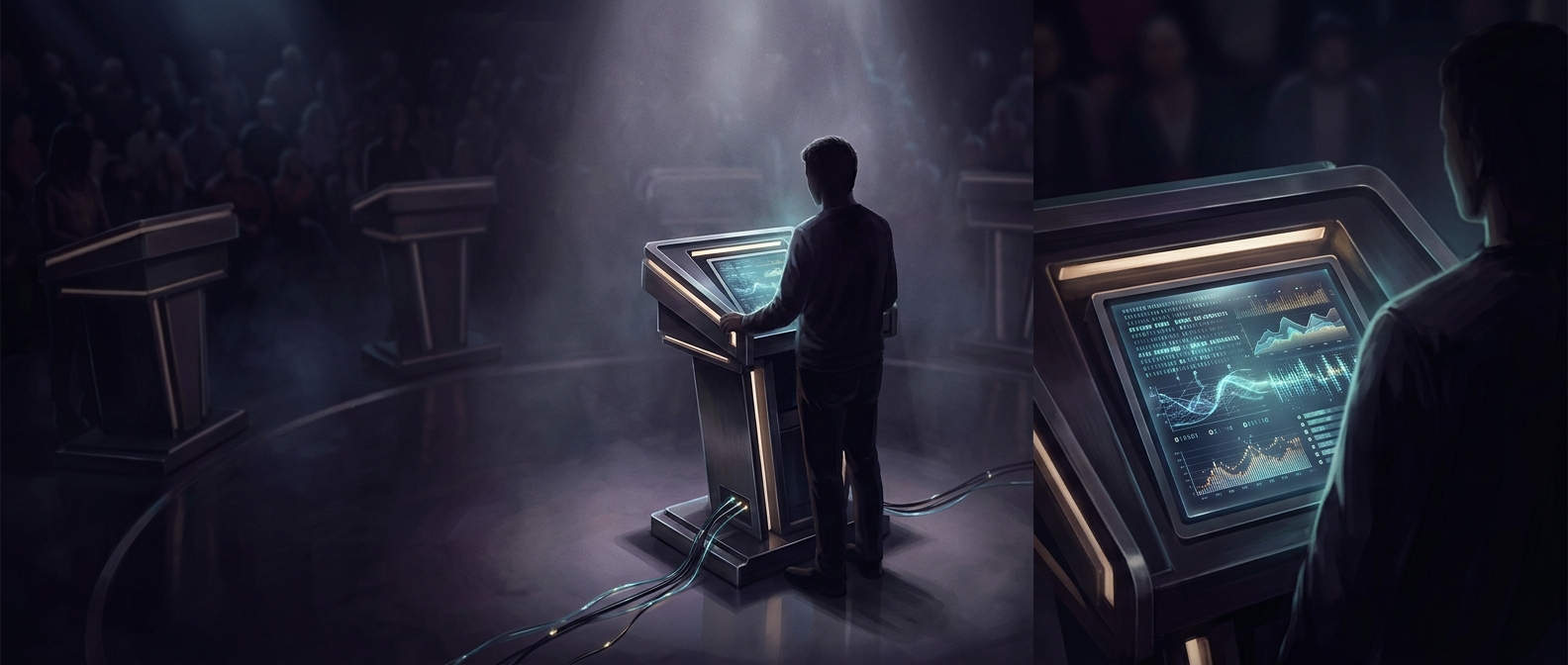
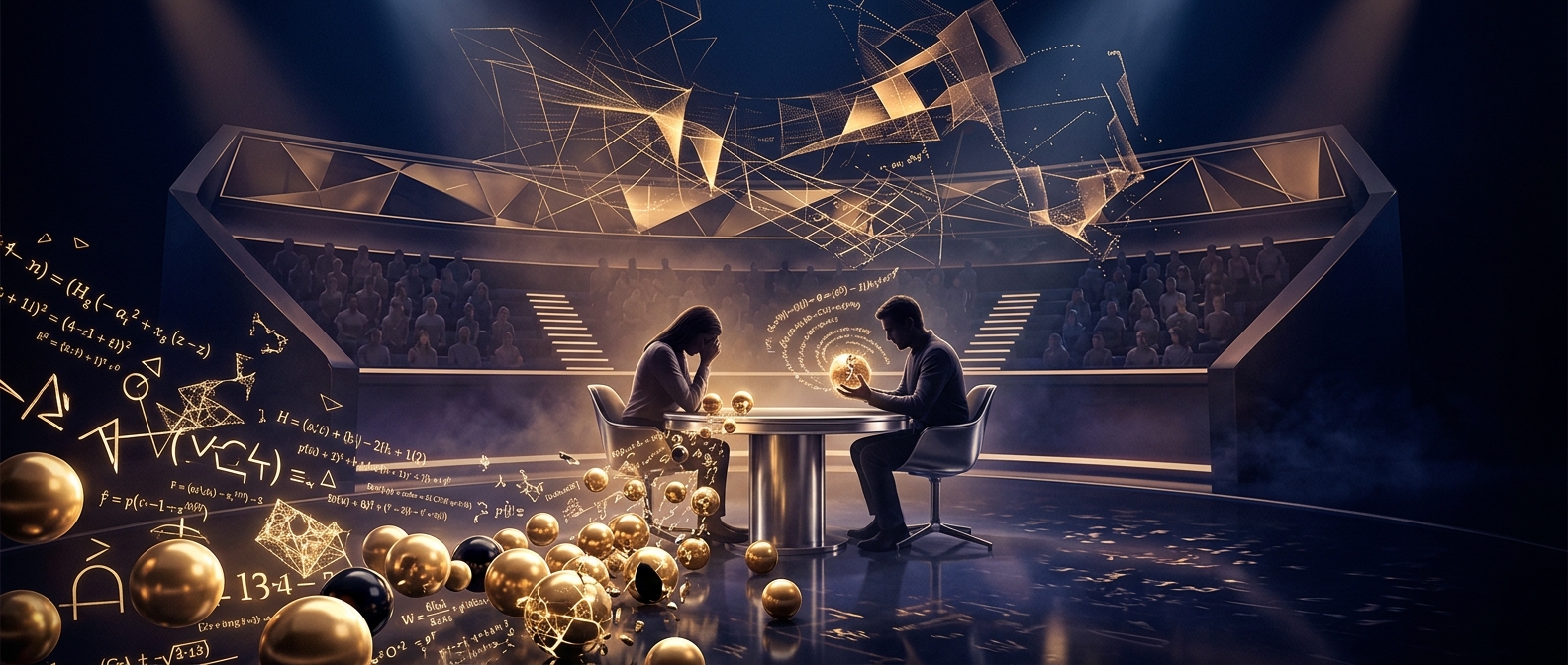
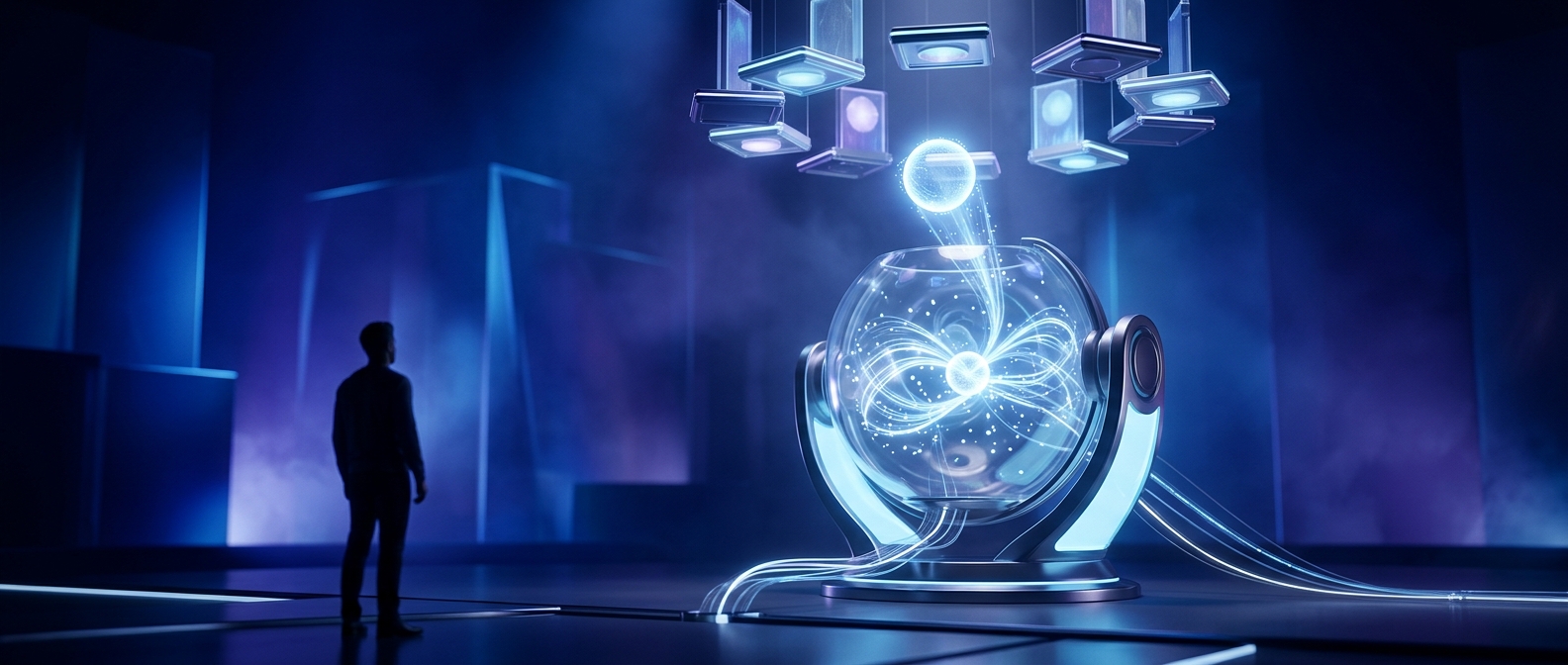
In earlier versions of Lingo, a draw began with physical balls tumbling inside a hopper. The machine mixed them, and a ball emerging from the jumble made the selection visible to players and viewers. Modern versions replace that physical process with an electronic hopper and computerized randomization.
The change separates the result from the spectacle of mixing. A computer can generate a selection without physically moving anything; the electronic hopper provides the game’s updated draw mechanism, while the familiar idea of a random pick remains.
What changes—and what stays the same
A physical hopper makes randomness look tangible: balls collide, shift, and emerge one at a time. A computerized draw produces the result electronically instead. The important continuity is the game’s reliance on chance, not the presence of a particular machine.
That shift also changes what audiences can watch. Instead of seeing a ball work its way through a jumble, viewers encounter a result generated through the show’s electronic system. The draw keeps its role in the game, even as the visible mechanism moves from bouncing balls to computer-based selection.