A Five-Minute Set Is a Fast Test
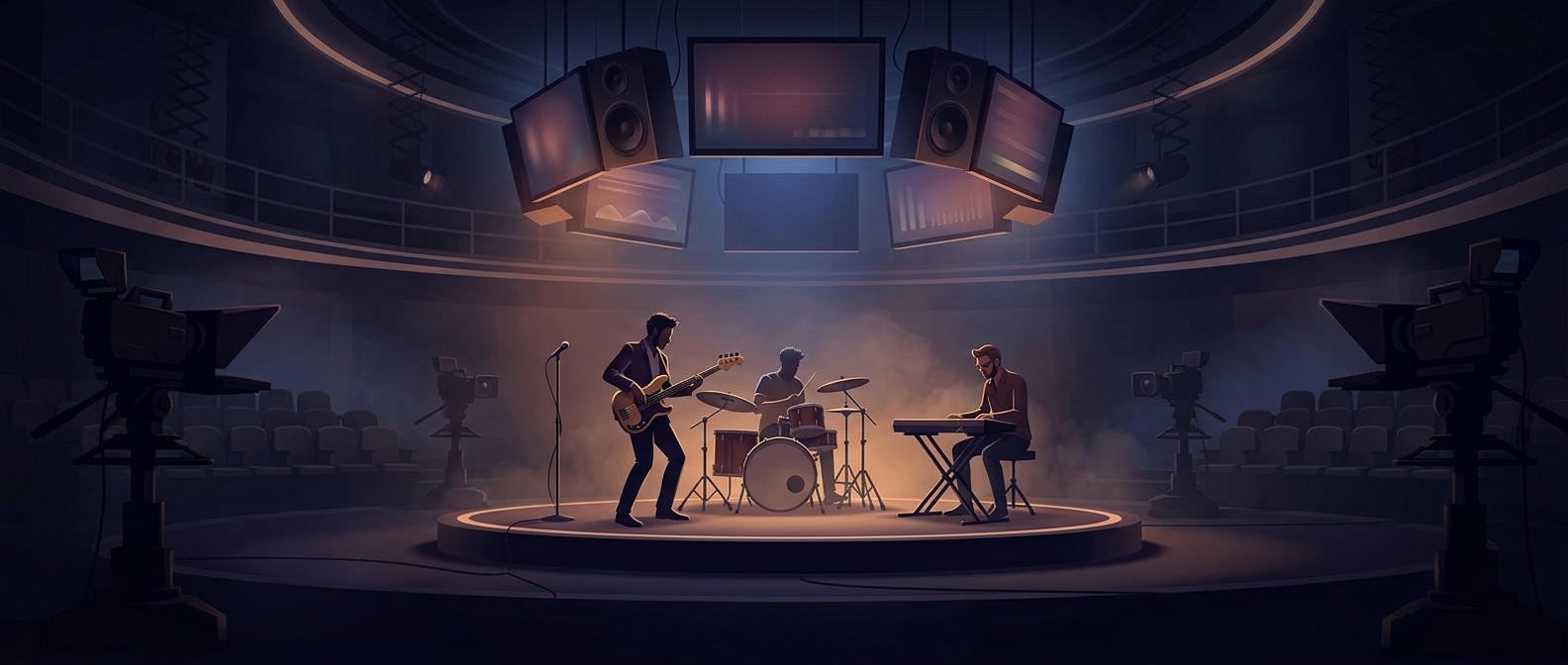
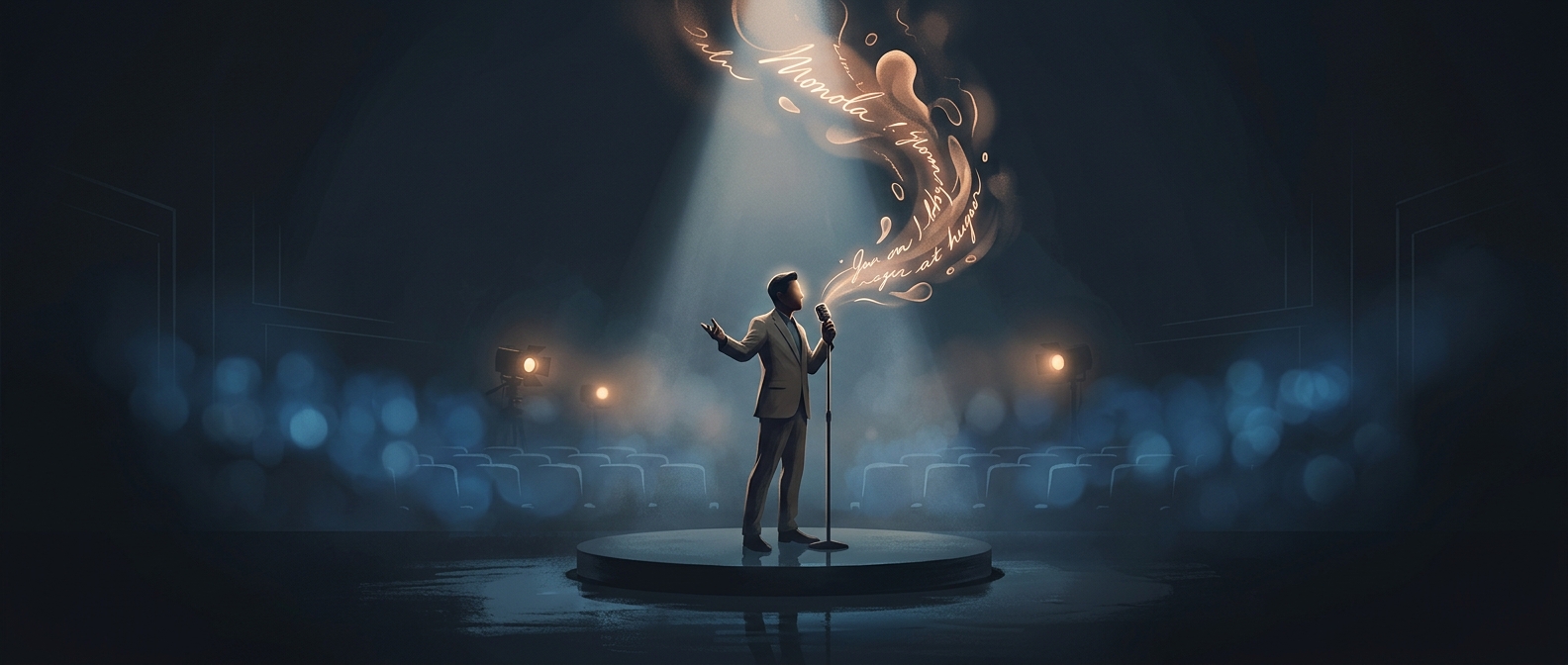
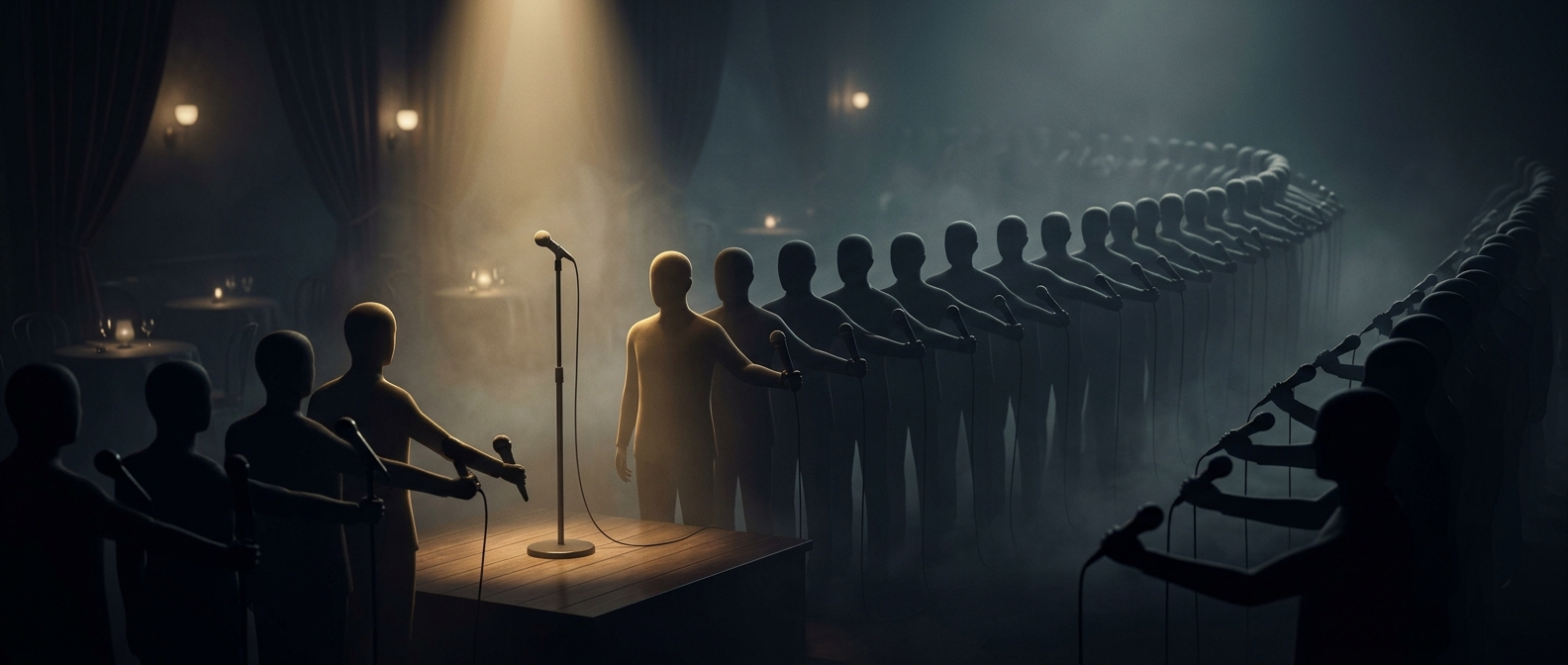
An open mic compresses comedy into short turns: performers sign up, take the stage one by one, and give the room a small sample of their material. The brief slot lets a venue fit many newcomers into one night, but it also changes how a joke has to work. There is little time to explain a complicated premise or recover from a slow start. A performer needs the audience to understand the setup quickly and recognize the turn that makes it funny.
The Room Supplies Immediate Feedback
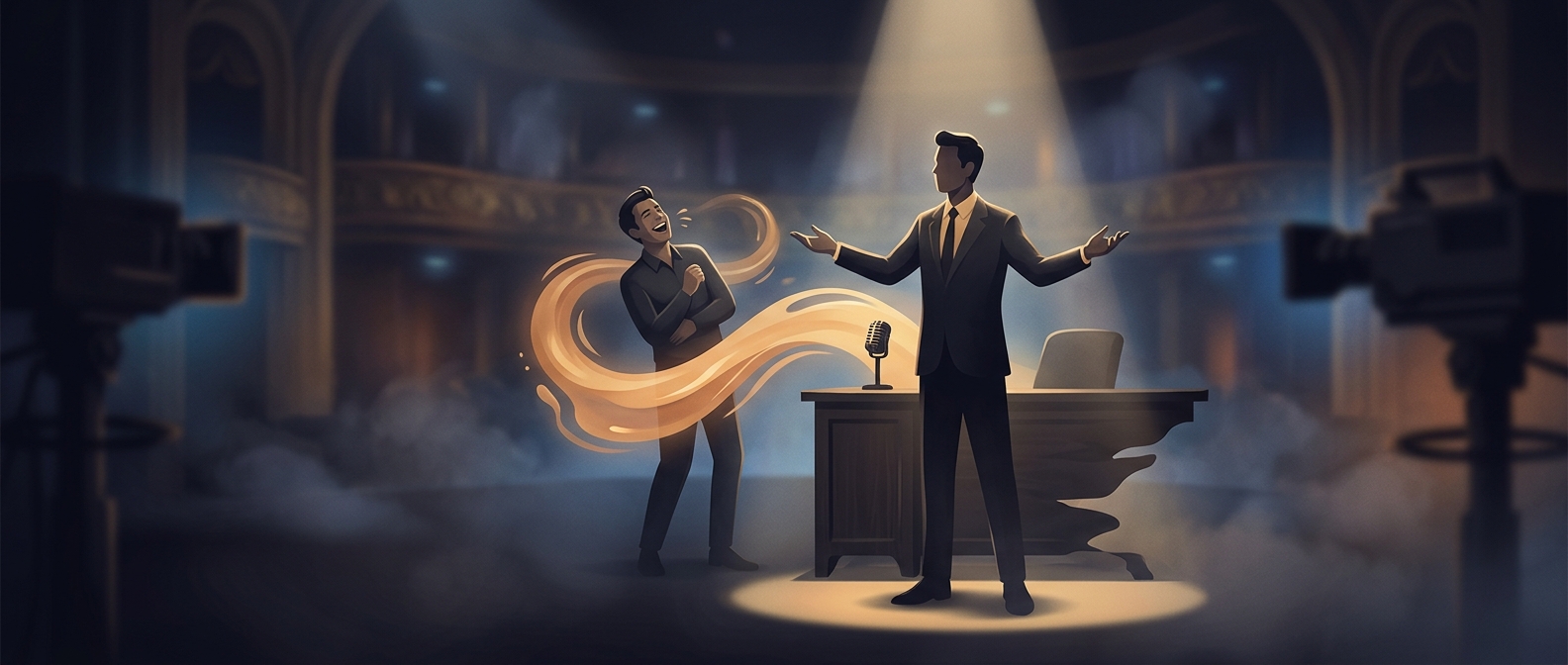
Laughter is the most obvious response, but silence can be useful too. A joke may need a clearer setup, a shorter pause, or a different punchline; a performer can notice where the room loses the thread. That feedback is imperfect—one small crowd is not every audience—but it is immediate and specific enough to guide the next rewrite.
The format also rewards choices that are hard to see on the page. A pause can build anticipation, while rushing through the same words may bury the punchline. Trying material aloud lets comedians test not only what they wrote, but how timing and delivery affect it.
Low Stakes, Real Constraints
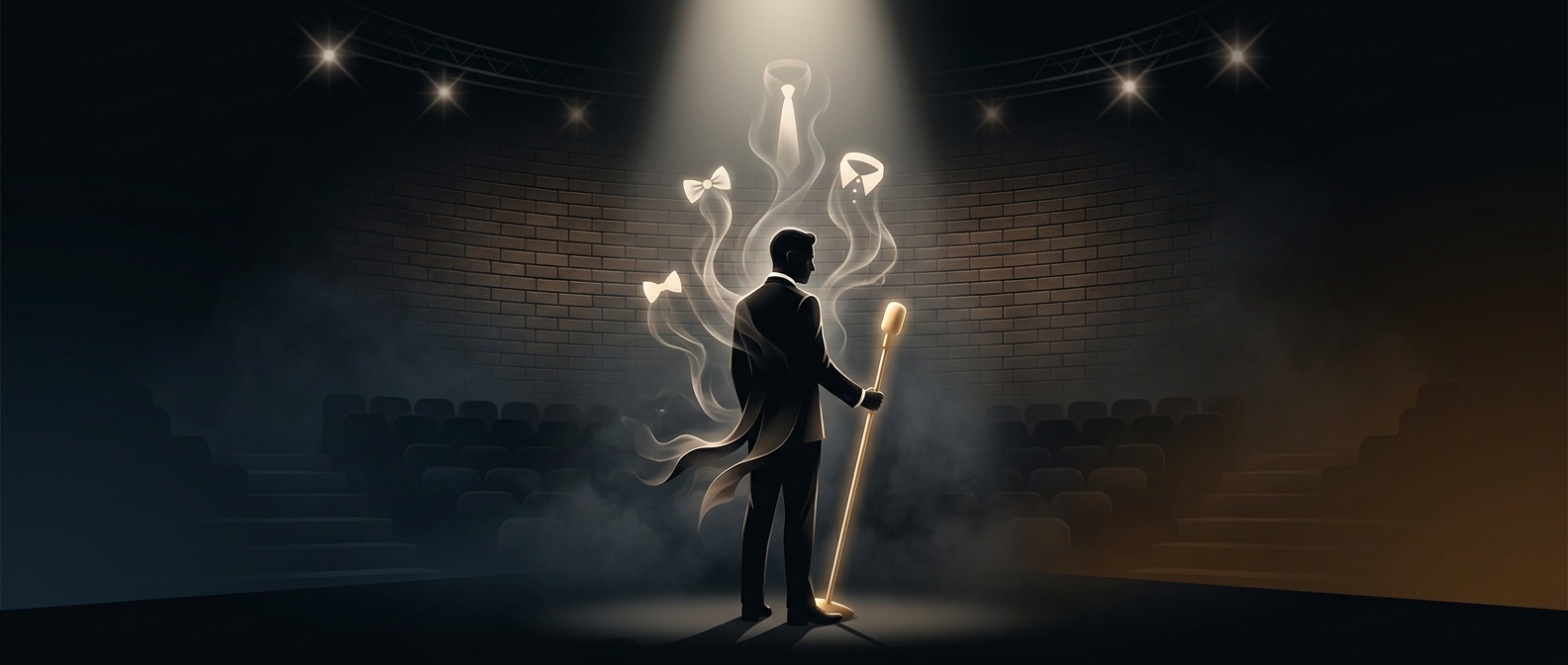
Because performers are amateurs and generally unpaid, an open mic is usually less a finished showcase than a place to practice in front of strangers. For the venue, short sets make room for many acts; for each comedian, the tradeoff is limited time to make an impression. A five-minute slot can therefore do two jobs at once: offer a first chance to perform and expose, quickly, which parts of a routine still need work.