Why the Monologue Comes First
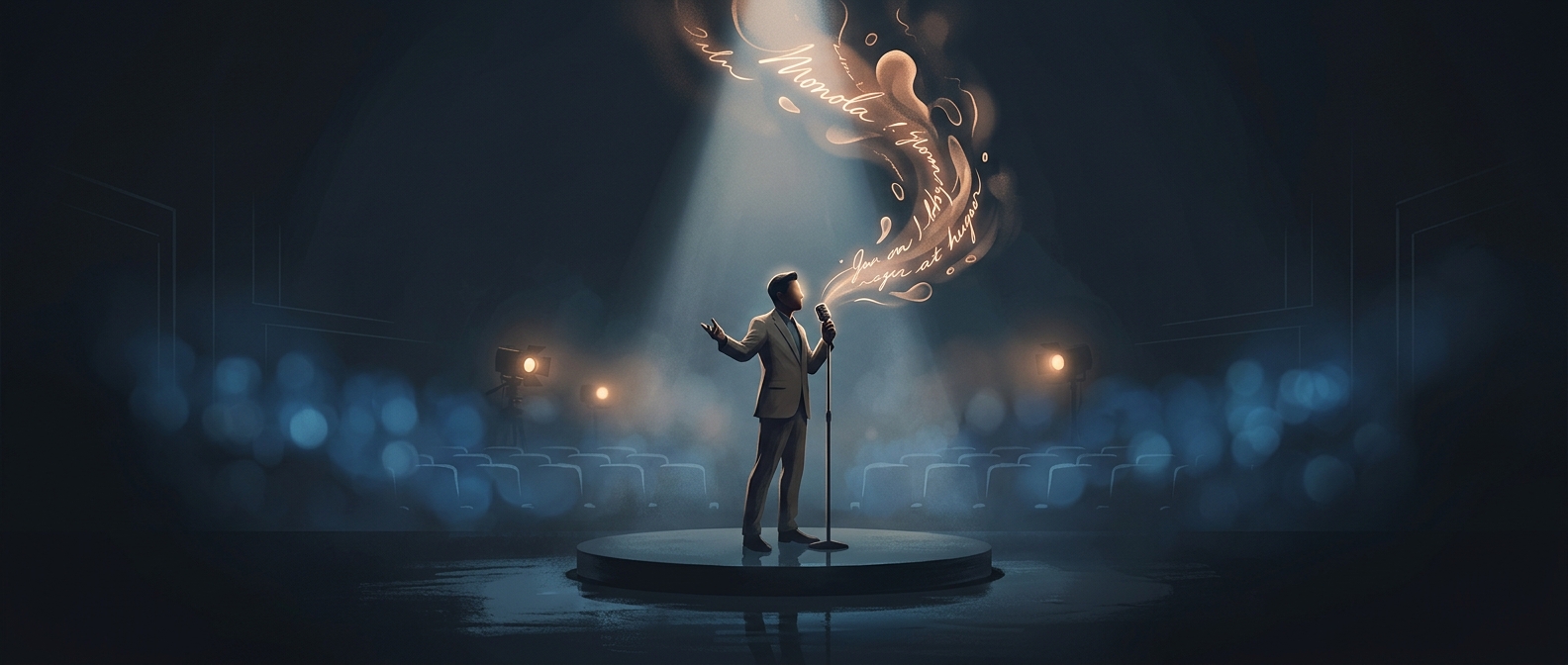
A late-night monologue is more than a string of jokes before the “real” show. It gives the program a first act: the host reacts to the day’s news, establishes a point of view, and lets viewers know what kind of humor to expect before guests arrive.
That opening also solves a practical problem. Interviews ask an audience to listen closely and respond to a conversation; jokes invite quicker, more collective reactions. Starting with comedy helps a studio crowd settle into the show’s rhythm, so the room is more responsive when the host turns to a guest.
From Headlines to a Shared Rhythm
Topical jokes depend on recognition. A headline or public figure gives the audience common ground, while the punch line adds the host’s interpretation. The monologue can therefore make a scattered set of daily events feel like one coherent take on the news—not a comprehensive account, but a comic lens.
Its order matters. The host can move from one short joke to the next, adjusting to the room’s response, then shift into a longer exchange with a guest. The monologue warms up both the audience and the show’s comic voice. Once that voice is established, the interviews have a clearer frame: viewers know who is asking the questions and what sensibility the program brings to them.