A CAPTCHA is a test—and sometimes a tiny work task
CAPTCHA stands for “Completely Automated Public Turing test to tell Computers and Humans Apart.” The name describes its purpose: a website presents a challenge that is meant to be easier for a person than for a bot. A familiar example asks you to identify pictures containing traffic lights or buses.
But not every CAPTCHA is simply a puzzle with a pass-or-fail answer. Some challenges also ask people to label information that software systems can use. In those cases, selecting objects in pictures can help create or check the labels used to train image-recognition tools. The task still serves as a gate against automated abuse, while the response may have a second use beyond proving you are human.
Why the tests keep changing
A CAPTCHA has to stay legible to people while resisting programs that can recognize patterns. That is a moving target: automated image and text recognition has improved, so a challenge that once seemed difficult for a bot may become easy to solve with software.
Websites also need tests that work for many visitors, including people using phones or assistive technology. No single puzzle is ideal for everyone. Some systems therefore assess signals about how a visitor interacts with a page, or offer different challenges, rather than relying only on distorted text.
The tradeoff behind the checkbox
The challenge is a compromise. Make it too simple, and automated programs can pass; make it too hard, and real visitors may be blocked or forced to spend time on repetitive tasks. A CAPTCHA is therefore not a perfect certificate of human identity. It is a practical filter designed to make automated misuse more difficult.
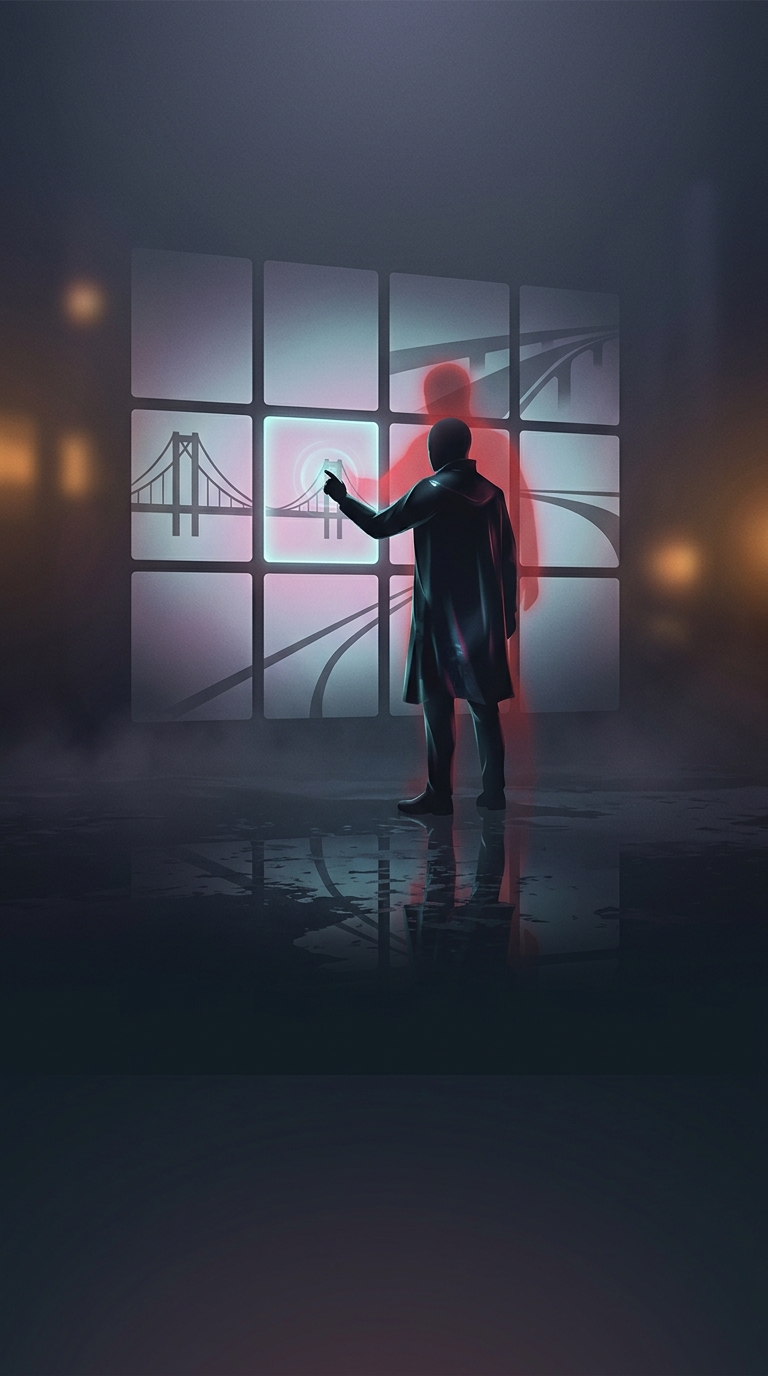
So the next time a grid asks you to find a crosswalk, you may be doing more than clearing a website’s security checkpoint: depending on the system, your choices can also help computers learn what is in an image.